
How To Sell Antique China

Selling Antique China: A Cup of Nostalgia, A Dash of Cash
Ever found yourself rummaging through your grandma's attic, only to stumble upon a dusty old teacup that's seen more birthdays than you? You might be holding a little piece of history, my friend, and it could be worth more than just sentiment. So, let's roll up our sleeves and dive into the world of selling antique china. It's like hosting a yard sale for your great-aunt's finest, and who knows, you might just become the next Antiques Roadshow sensation!
First Things First: Know Your Stuff
Before you start polishing up your grandma's best china and dreaming of your new beach house, it's time to do a little homework. Antique china is a broad term, and it's not all worth a king's ransom. Generally, anything made before 1900 is considered antique, but the real value lies in rarity, condition, and who made it.
Think of it like going to a fancy restaurant. You wouldn't order the cheapest thing on the menu just because it's edible, right? The same goes for antique china. A chipped teacup from a unknown manufacturer might be worth a few bucks, but a pristine piece from a renowned maker like Wedgwood or Spode could be a goldmine.
Must Read
So, grab your magnifying glass and start sleuthing. Look for maker's marks, patterns, and any other clues that can help you identify what you've got. There are plenty of online resources and books to help you, or you could always consult an expert. Just don't go asking your neighbor who's into 'vintage' stuff - they might think you're talking about their grandma's old couch.
Clean Up Your Act
Alright, so you've done your research and you've got a treasure trove of antique china. Now it's time to make it shine like the day it was made. Remember, you're not just selling a teacup, you're selling a story. And no one wants to buy a teacup that looks like it's been on a bender with the dust bunnies.
Start by giving your china a good clean. Warm, soapy water and a soft cloth should do the trick. Avoid using abrasive materials or harsh chemicals - you don't want to scrub off that precious maker's mark!
Once it's clean, it's time to stage your china like a movie set. Find some nice, natural lighting, maybe a pretty tablecloth, and definitely no clutter in the background. You want your china to be the star of the show, not your cat's litter box.
Finding Your Audience
Now that your antique china is cleaner than a whistle and shinier than a new penny, it's time to find it a new home. There are plenty of places to sell antique china, from online marketplaces to local antique stores. The key is to find the right audience.
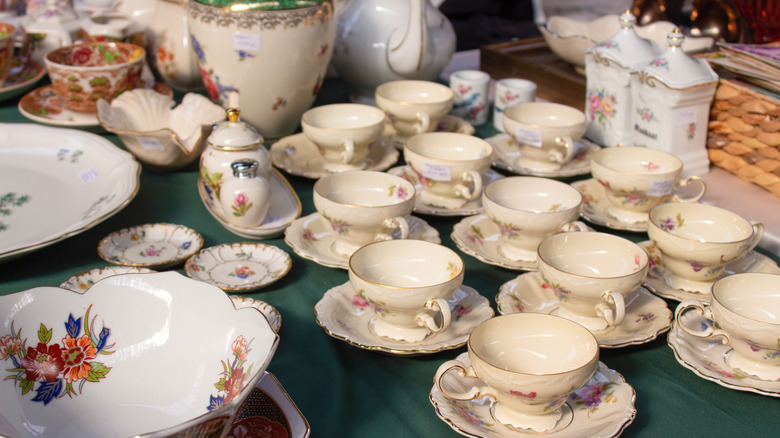
Online, you've got options like eBay, Etsy, and even Facebook Marketplace. Each has its own pros and cons, so do your homework and choose the one that's right for you. Just remember, the more specific your audience, the better your chances of selling.
For example, if you've got a set of rare, hand-painted teacups, you might want to target collectors rather than casual buyers. They'll appreciate the craftsmanship and be more likely to pay top dollar. It's like selling a fancy steak to a foodie - they'll appreciate the quality and be willing to pay more than someone who just wants a burger.
Pricing: The Art of the Deal
Pricing your antique china can be a bit like playing poker. You want to start high enough to make a profit, but not so high that no one bites. It's all about finding that sweet spot.
Look at similar pieces online to see what they're selling for. Remember, you're not just competing with other sellers, you're competing with the internet. If someone can find a similar piece for less elsewhere, they will.
Don't be afraid to negotiate, either. Haggling is a time-honored tradition, and it's a great way to build rapport with potential buyers. Just remember, you're not running a charity. You're selling antique china, not giving it away.
Shipping: The Logistics of Fragility
Congratulations, you've found a buyer! Now comes the tricky part: getting your antique china to them in one piece. Shipping fragile items can be a nerve-wracking experience, but with the right packaging, it doesn't have to be a nightmare.
Start by wrapping each piece individually in bubble wrap or acid-free paper. Then, nestle them into a sturdy box filled with packing peanuts or foam. The more padding, the better. You want your china to feel like it's on a luxury cruise, not a rollercoaster ride.
When it comes to shipping methods, opt for tracked and insured services. Yes, it might cost a bit more, but it's worth it for the peace of mind. And if something does go wrong, you'll be glad you have insurance.
The Final Hurrah: Customer Service
You've sold your antique china, it's on its way to its new home, and you're counting your cash. But wait! Don't forget about customer service. A happy customer is a repeat customer, and in the world of antique china, repeat customers are gold.
Respond to any questions or concerns promptly and politely. If there's a problem, do your best to resolve it. A little bit of goodwill can go a long way. It's like serving a delicious meal - the presentation and service are just as important as the food itself.
And there you have it! Selling antique china can be a fun and rewarding experience. So, grab your grandma's old teacups, give them a polish, and get ready to make some memories - and some money!