
How To Sell Vintage Furniture

Ever wondered how to turn that retro sideboard gathering dust in your attic into some extra cash? Or maybe you're just curious about the world of vintage furniture. Either way, you're in the right place, my friend. Let's dive into the fascinating world of selling vintage furniture, one mid-century modern gem at a time.
First things first: What's vintage, anyway?
You might be thinking, "Well, isn't vintage just another word for old?" Not quite. Vintage furniture is typically 20 to 100 years old, with pieces from the mid-20th century being particularly popular. Think: Mad Men-era sofas, Eames chairs, and teak sideboards that could give your modern IKEA pieces a run for their money.
So, if you've got something that's seen better days but has that certain je ne sais quoi, it might just be vintage. And that, my friend, could mean it's worth some serious dough.
Know your stuff: Research is your new best friend
Before you start listing your grandma's old rocking chair on eBay, it's time to do some homework. The more you know about your piece, the better you can sell it. Check out the maker's mark, look up similar pieces online, and get an idea of what it's worth.
Think of it like this: You wouldn't buy a car without checking its make, model, and mileage, right? The same goes for vintage furniture. Plus, who knows, you might just fall down a fascinating rabbit hole of design history while you're at it.
Cleanliness is next to godliness (and better sales)
Alright, so your vintage find might have a few scratches, dents, or even a layer of dust thicker than your grandma's Sunday roast. That's okay! But before you start snapping pictures, it's time to give it a good clean.
Think of it like a first date: You wouldn't show up looking like you've just rolled out of bed, would you? The same goes for your vintage furniture. A good clean can make all the difference, and it'll help potential buyers see the beauty beneath the grime.
Snap, crackle, pop: Taking great photos
In the world of online selling, a picture is worth a thousand words (and maybe a few extra bucks). So, grab your camera and let's get snapping.
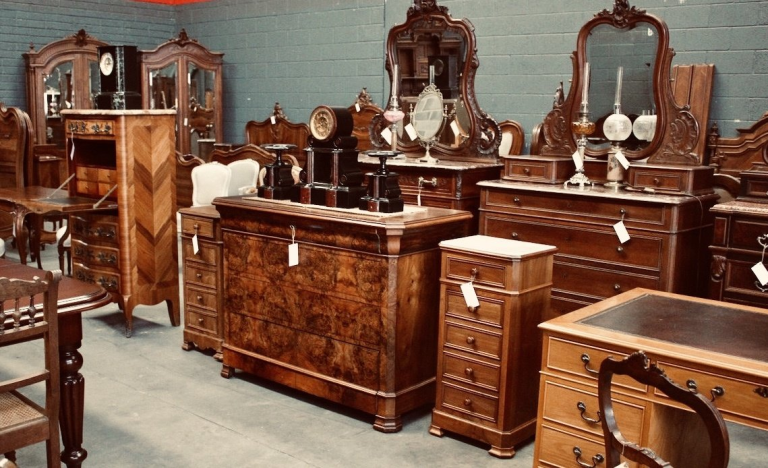
Natural light is your friend here. Find a spot with plenty of sunlight and take pictures from various angles. Close-ups of any unique features or marks of authenticity are a must. And remember, honesty is the best policy. If something's got a crack or a chip, show it off. It's all part of the vintage charm.
Pro tip: Use a plain background to keep the focus on your piece.
Write a description that'll make 'em swoon
Now that you've got some gorgeous pics, it's time to put your wordsmith skills to the test. Write a description that'll make buyers fall head over heels for your vintage gem.
Be honest about any imperfections, but focus on the good stuff too. Is it a rare piece? Does it have a cool history? Has it been featured in a movie or TV show? Let your buyers know what makes your piece special.
Choose your platform: Where to sell your vintage finds
So, you've got your research, your photos, and your description sorted. Now it's time to decide where to sell your vintage treasure. There are plenty of options out there, from online marketplaces to local antique stores.
eBay, Etsy, and Facebook Marketplace are great places to start. But don't forget about local options too. There might be a vintage store in your neighborhood that'd love to snap up your piece. Or maybe you've got a friend who's always on the hunt for retro gems. Word of mouth can be a powerful tool, my friend.
Price it right: The art of negotiation
You've done your research, so you've got a good idea of what your piece is worth. But remember, pricing is a bit of an art form. You want to be fair, but you also want to make a profit.
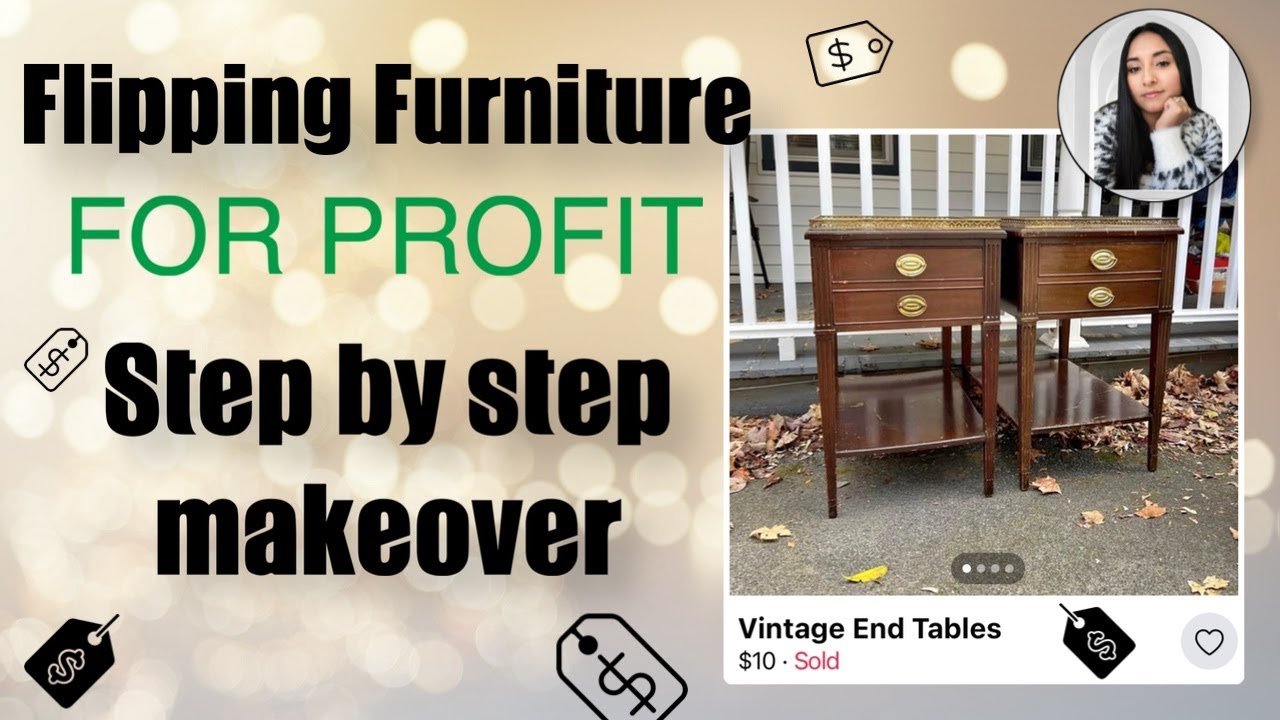
Think about it like this: If you price it too high, you might not get any bites. But price it too low, and you're leaving money on the table. It's a delicate balance, my friend. And don't forget, most sales are negotiable. So, leave a little room for haggling.
The big reveal: How to handle offers and sales
You've listed your piece, and now the offers are rolling in. It's an exciting time, my friend! But before you start packing up your vintage treasure, there are a few things to consider.
First off, make sure you're dealing with a legitimate buyer. Check their feedback if you're using an online platform, and trust your instincts. If something feels fishy, it probably is.
Once you've found your buyer, it's time to arrange the sale. This could be as simple as a meet-up in a public place, or it might involve shipping your piece across the country. Whatever the case, make sure you're comfortable with the arrangement before you hand over your vintage gem.
And that, my friend, is how you sell vintage furniture
From research to sales, we've covered a lot of ground. But don't worry, you're not alone in this vintage adventure. There's a whole community of sellers and buyers out there, ready to help you every step of the way.
So, go forth, my friend. Find those hidden treasures, polish them up, and watch as they find their way into loving homes. And who knows, you might just make a pretty penny while you're at it. Happy hunting!