
How To Value Old Furniture
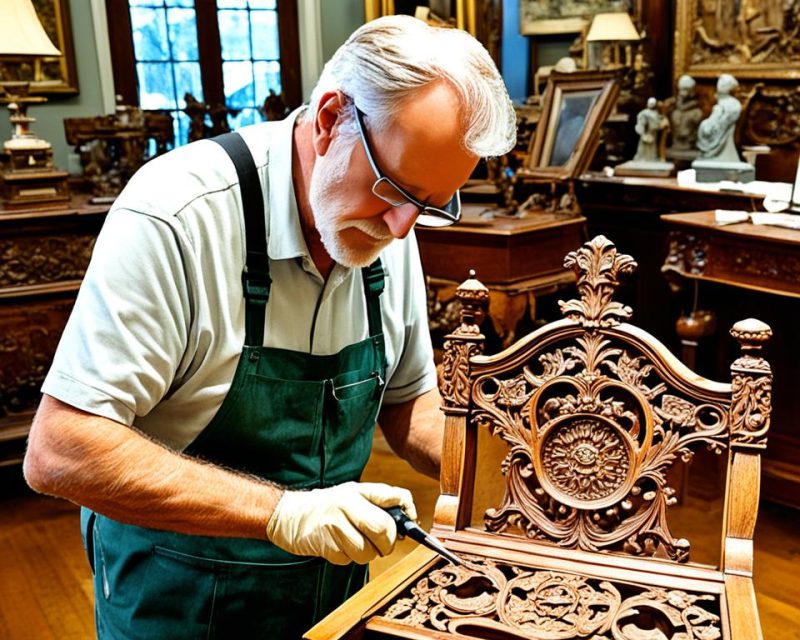
Ever found yourself at a garage sale, eyeing a vintage dresser, wondering, "Is this a hidden treasure or just old junk?" Well, you're not alone! Figuring out how to value old furniture can be a fun adventure, and it's not just about the money. It's about the story, the character, and the love that goes into giving these pieces a new life.
First Things First: Why Should You Care?
You might be thinking, "Why should I care about some old chair when I can just buy a new one?" Well, let me tell you a little story. Imagine you're at a friend's house, and they've got this amazing, unique piece of furniture. It's not perfect, it's got scratches and dings, but it's got character. It's a conversation starter, a piece of art, a testament to time. Now, wouldn't you rather have that in your home than another mass-produced piece from the store?
Plus, there's the environmental factor. By giving old furniture a new home, you're keeping it out of landfills and reducing the demand for new furniture made with potentially unsustainable materials. It's like giving a second chance to your favorite old t-shirt - it feels good, right?
Must Read
Now, Let's Talk Value
So, how do you know if that old furniture is worth your time and money? Here are some tips:
1. Antiques Roadshow-style Research
First, do a little detective work. Check the internet for similar pieces. Websites like eBay and Etsy can give you a good idea of what something might be worth. But remember, just because it's old doesn't mean it's valuable. A lot of old stuff is just... old.

2. The Rule of Three
Here's a simple rule of thumb: if a piece is well-made, has a unique design, and is in good condition, it's likely worth something. Let's say you find a beautiful, solid wood table with unique carvings. If it's in good shape, it's probably worth more than a flimsy, mass-produced table from the store.
3. The Art of Restoration
Now, let's say you find a piece that's not in great shape, but you can see the potential. That's where the art of restoration comes in. With a little elbow grease, some sandpaper, and a can of paint, you can turn that old lemon into a sweet, sweet lemonade. And guess what? That piece you restored? It's not just valuable because of its monetary worth. It's valuable because you made it that way.
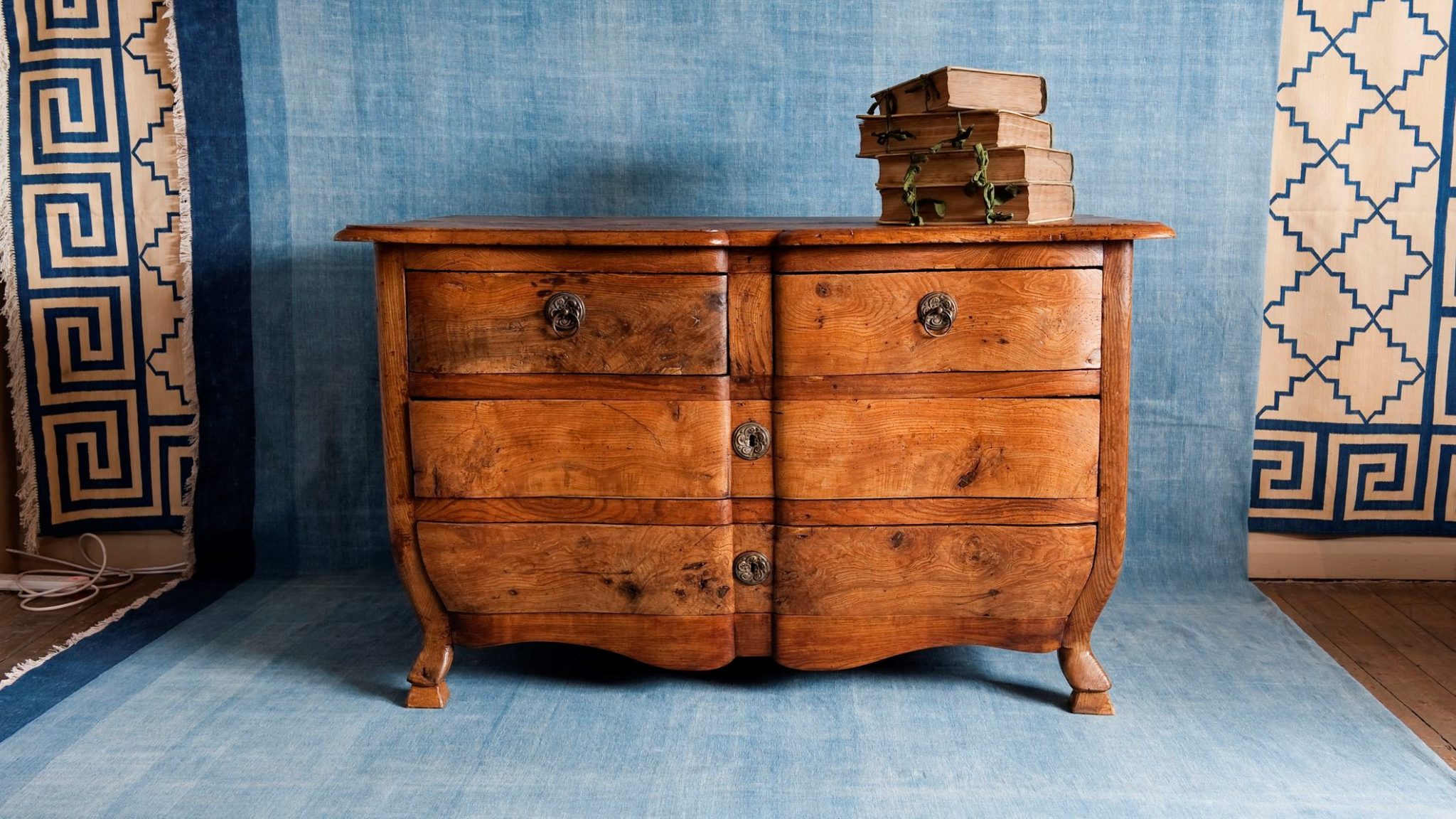
But What About the Cracks and Dings?
Here's the thing: those cracks and dings? They're not flaws. They're history. They tell a story. They're like the wrinkles on your grandma's face - sure, they might not be perfect, but they're beautiful because they show she's lived a full life. So, embrace the imperfections. They're what make old furniture so darn charming.
So, Are You Ready to Be a Furniture Detective?
Next time you're at a garage sale, or browsing the 'For Sale' section of your local community group, give that old furniture a second look. You never know - you might just find a treasure. And even if you don't, you'll have had a fun adventure trying. Happy hunting!