
Japanese Ukiyo E Woodblock Prints

Ever wondered what it would be like to step into a 17th-century Japanese street party? Or maybe you've been curious about the world behind those intricate paper screens you've seen in movies? Well, my friend, let me introduce you to the vibrant and fascinating world of Japanese Ukiyo-e woodblock prints!
What's the Deal with Ukiyo-e?
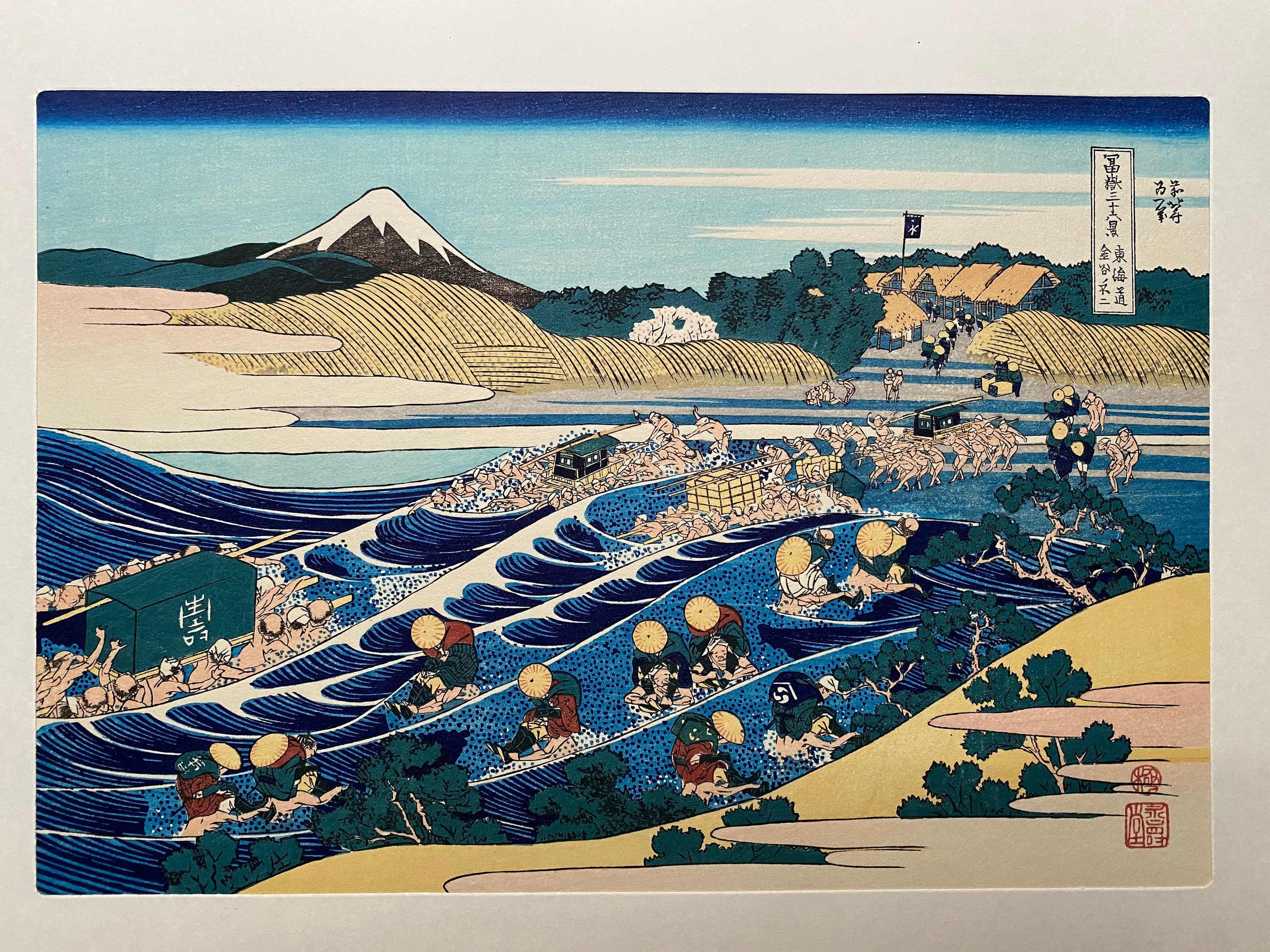
Ukiyo-e, which translates to 'pictures of the floating world,' is a style of Japanese art that flourished from the 17th through the 19th century. Imagine it like a snapshot of everyday life, but with a whole lot of pizzazz. These prints were like the Instagram of their time, capturing everything from beautiful women and sumo wrestlers to landscapes and mythical creatures.
But here's the kicker - unlike those digital filters we use today, Ukiyo-e prints were created using a complex process involving multiple woodblocks, each one responsible for a single color. Talk about a labor of love, right?
Must Read
How'd They Make These Bad Boys?
So, how did these master printers pull off this color magic trick? It all started with a single block of wood, usually cherry or pear, which was carved with the image they wanted to print. Then, they'd carve away the parts they didn't want to be inked, leaving behind the design they wanted to print.
Next, they'd apply ink to the block, roll it onto a sheet of paper, and voila! One color down, many more to go. Each color required a new block, and sometimes they'd use up to 20 blocks for a single print. Can you even imagine the patience and skill involved in that?
Meet the Stars of the Show
Now, let's talk about the stars of the Ukiyo-e world - the artists. Some of the most famous names include Hokusai, Hiroshige, and Utamaro. These guys were like the rockstars of their time, with fans clamoring for their latest prints.
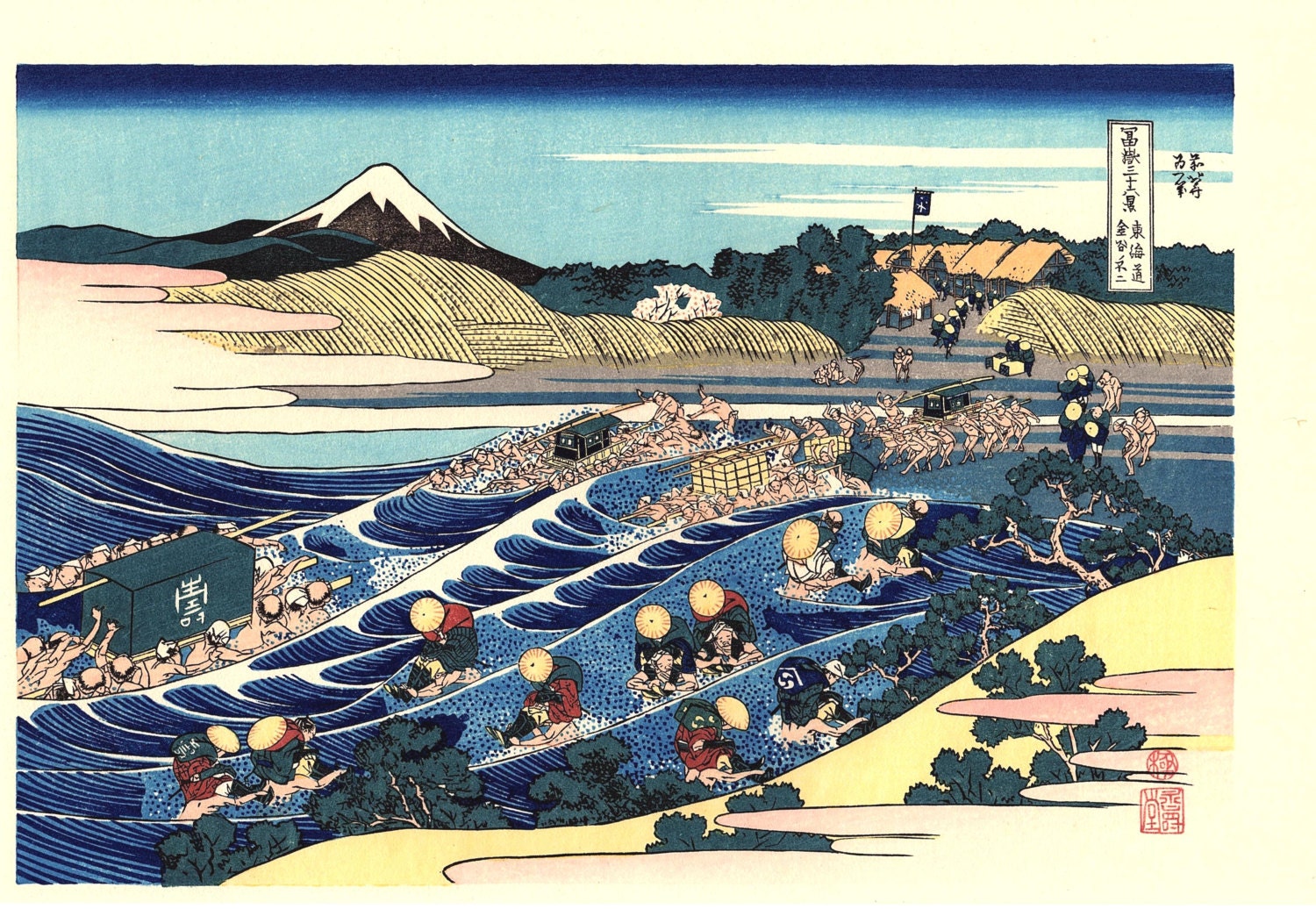
Hokusai, for instance, was known for his epic wave, which has become one of the most iconic images of Japanese art. Hiroshige, on the other hand, was a master of landscapes, capturing the beauty of Japan's changing seasons with stunning detail. And Utamaro? Well, he was all about the beautiful women, creating elegant and expressive portraits that still captivate us today.
Why Should You Care?
So, why should you care about these ancient prints? Well, for starters, they're just plain cool to look at. The bold colors, intricate details, and dynamic compositions make them a feast for the eyes. Plus, they offer a unique glimpse into Japanese culture and history, from the fashions and pastimes of the time to the natural world and mythical creatures that captivated the Japanese imagination.
But perhaps the most fascinating thing about Ukiyo-e is the way it challenges our modern notions of art. In a world where we're used to seeing art as something precious and rare, created by geniuses in ivory towers, Ukiyo-e reminds us that art can be democratic, accessible, and even downright commercial.
These prints were created by skilled artisans, sure, but they were also made to be enjoyed by the masses. They were printed in editions, like modern-day posters, and sold on the streets to anyone who wanted to buy them. Talk about a radical idea, huh?
Where Can You See Some?
So, you're sold on Ukiyo-e and you're dying to see some in person? Lucky for you, there are plenty of places to check them out. Many museums around the world have impressive collections of Ukiyo-e prints, from the British Museum in London to the Metropolitan Museum of Art in New York.
But if you can't make it to a museum, don't worry - there are plenty of online resources where you can ogle these beautiful prints to your heart's content. And who knows? You might just find yourself inspired to create some art of your own.
After all, as the great Hokusai himself once said, "From around the age of sixty, I have published many collections of my drawings in various genres of painting, and throughout my life, it has always been my ambition to draw the essence of birds and trees, mountains and streams, and all the other things that make up the natural world. At seventy-three, I was able to do this somewhat better. By the time I reach eighty, I hope to have made more progress. At ninety, I expect to have a firm command of my art. I ask only for ten more years. At a hundred, I might really have something to boast about."
So go on, pick up that pencil, grab that brush, and let your creativity flow. Who knows? You might just create something worth boasting about.