
Klimt Paintings Woman In Gold
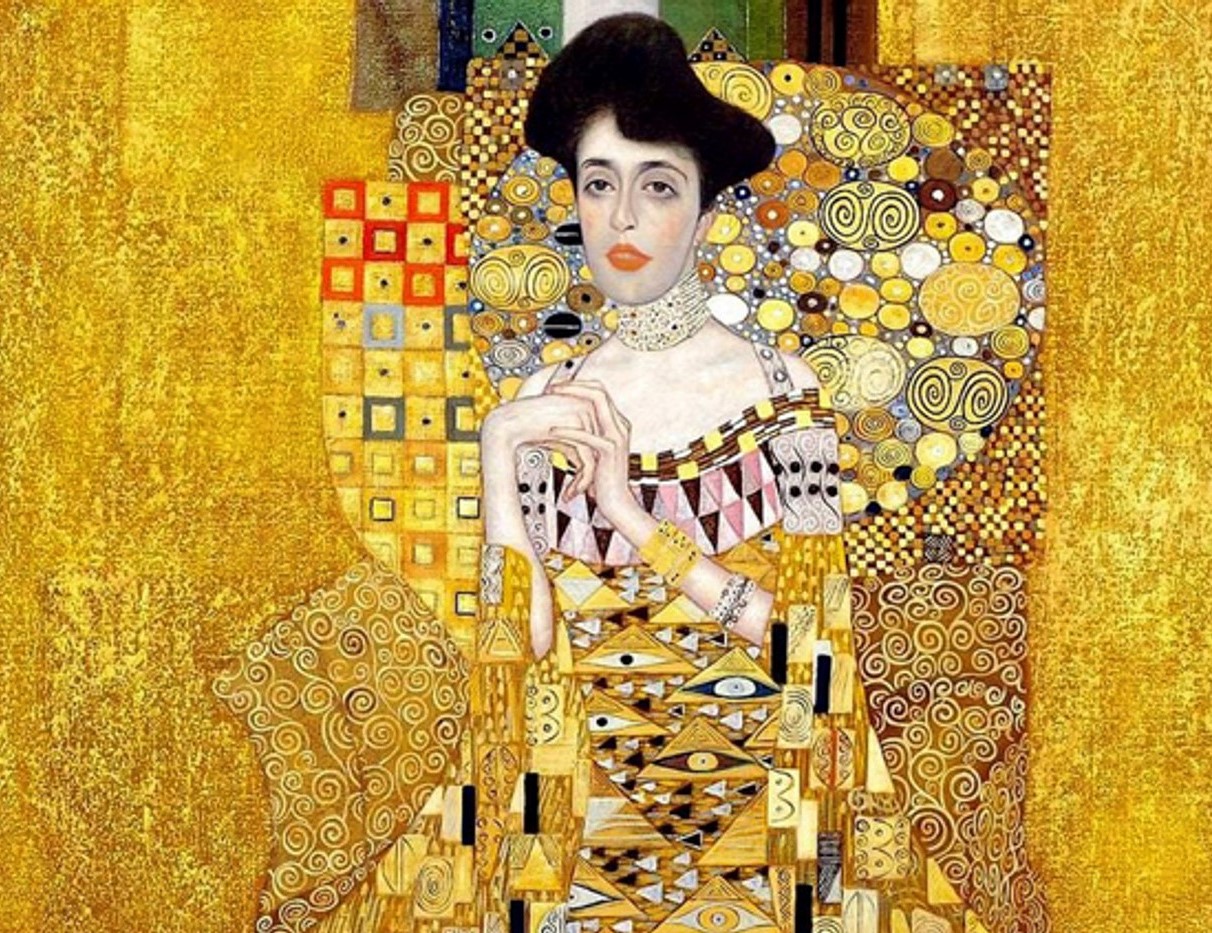
So, you know how sometimes you're just scrolling through art history, and then bam! - there's this painting that just stops you in your tracks? That's Woman in Gold for me. I mean, who isn't captivated by that golden gown, right?
Let's rewind a bit. We're talking about Gustav Klimt here, the Austrian symbolist painter who was all about those gold hues and intricate patterns. Born in 1862, he was part of the Vienna Secession movement, which was basically a group of artists saying, "Hey, we're doing things differently." And boy, did they ever!
Now, Woman in Gold, also known as Portrait of Adele Bloch-Bauer I, is one of Klimt's most famous works. Painted between 1903 and 1907, it's a portrait of Adele Bloch-Bauer, the wife of a wealthy Jewish sugar producer. Talk about a power couple, huh?
That Golden Gown, Though
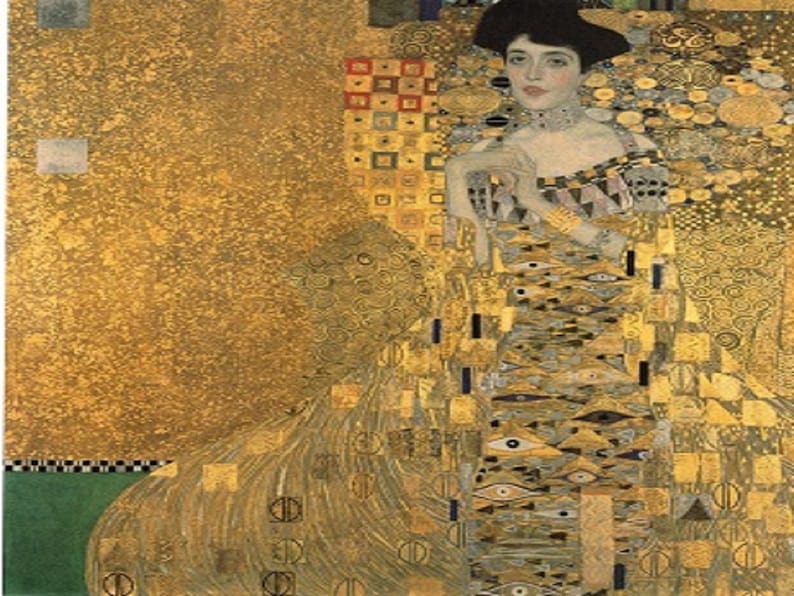
I mean, seriously, that gown is everything. It's not just gold, it's gold on gold - like Klimt was trying to out-gold himself. It's covered in those iconic, shimmering gold leaf patterns that Klimt loved so much. You can almost feel the weight of it, can't you?
But here's the thing: it's not just about the bling. Klimt wasn't just painting a fancy dress. He was painting Adele. Look at her face. Those dark, intense eyes, that determined gaze. She's not just a pretty face; she's a woman of strength and intelligence. Klimt was known for his portraits, and this one is a masterclass in capturing personality.
More Than Meets the Eye
So, what's with all the gold, you ask? Well, Klimt was into symbolism, big time. That gold isn't just about wealth or status (though, let's be real, it's probably also about that). It's also about transcendence, about elevating the subject to something divine. Klimt was big on that whole "art is life" thing, and he was trying to show Adele as both a mortal woman and a goddess.
And those patterns? They're not just there to look pretty (though, again, they do look pretty). They're inspired by ancient Egyptian and Byzantine art. Klimt was all about drawing from the past to create something new, something unique.
Controversy and Intrigue
Now, here's where things get interesting. After Adele's death in 1923, the painting ended up in the Belvedere Palace in Vienna. But here's the thing: Adele's family didn't exactly part with it willingly. Long story short, it was seized by the Nazis during World War II, and it wasn't until the 1990s that it was finally returned to the Bloch-Bauer family.

And get this: the family sold it to an American art collector for a cool $135 million in 2006. That's right, folks. Woman in Gold is now part of a private collection. But don't worry, you can still see it on display at the Neue Galerie in New York City. Just don't ask me how much the ticket costs. My wallet's still recovering from the shock.
Legacy Lives On
So, there you have it. The story behind Woman in Gold. It's not just a painting; it's a symbol of art, wealth, power, and controversy. It's a testament to Klimt's genius and his unique style. And it's a reminder that sometimes, art can be more than just something pretty to look at. It can be a story, a statement, a piece of history.
Next time you're at the museum, give Woman in Gold a visit. Look into Adele's eyes, marvel at that gown, and let yourself get lost in the story. Just remember to keep your hands to yourself - the last thing we need is another art heist on our hands!