
Mark Rothko Black On Gray
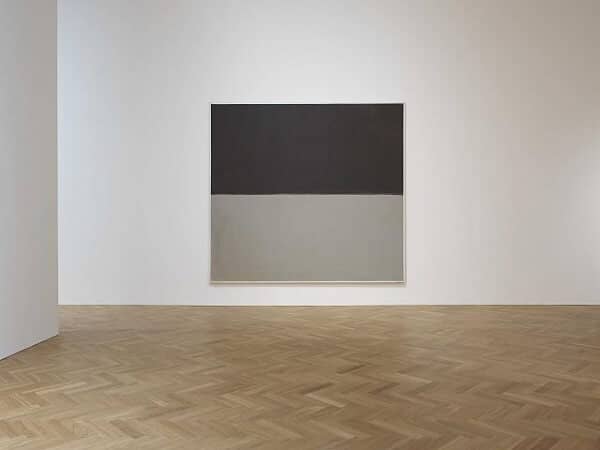
So, there I was, wandering through the endless labyrinth of the art museum, when I stumbled upon this painting that looked like it had been created by a toddler who'd discovered the joy of finger painting. I mean, come on, it's just black on gray, right? What's the big deal?
But then, I saw the little plaque next to it. "Mark Rothko, Black on Gray, 1970." Wait a minute, Rothko? As in, the guy who painted those massive, colorful abstractions that make grown men weep? The one who's worth millions on the art market? This was his idea of a masterpiece?
Intrigued, I found myself standing there, staring at this seemingly simple painting, trying to figure out what all the fuss was about. And that, my friends, is how I ended up spending my entire afternoon in front of a black-on-gray canvas, when I could've been sipping lattes and people-watching in the park.
Must Read
So, what's the deal with Rothko's Black on Gray?
First off, let's get one thing straight. This isn't your average kindergarten art project. Rothko, the master of color field painting, was known for his large-scale canvases filled with vibrant hues. But towards the end of his life, he started experimenting with these dark, somber pieces. Black on Gray is one of the last paintings he created before his death in 1970.
Now, you might be thinking, "Why would anyone pay millions for a painting that looks like it was done in five minutes?" Well, my curious friend, that's where things get interesting. You see, Rothko wasn't just painting black on gray. He was painting emotion.
Rothko's Dark Night of the Soul
Rothko was going through a tough time when he created this piece. He was battling depression, struggling with his health, and grappling with the meaning of his art. This painting, some art historians argue, is Rothko's visual representation of his dark night of the soul.

Think about it. Black and gray aren't exactly cheerful colors, are they? They're the colors of mourning, of sadness, of the deepest, darkest emotions. Rothko once said, "I'm interested only in expressing basic human emotions - tragedy, ecstasy, doom, and so on." And here, in Black on Gray, he's expressing the tragedy, the doom.
But here's the thing. Even in his darkest moments, Rothko wasn't just wallowing in despair. He was exploring it, understanding it, trying to make sense of it. And that's what makes this painting so powerful. It's not just about the darkness; it's about the human experience of darkness.
So, how do you 'get' Black on Gray?
Well, first, you need to forget everything you thought you knew about art. This isn't about technique or skill. It's about feeling. So, stand in front of the painting, let your eyes adjust to the darkness, and just feel.

Feel the weight of the black, the emptiness of the gray. Feel the void, the nothingness. Feel the way the black seems to absorb all the light in the room, all the color, all the hope. Feel the way the gray seems to stretch out forever, like an endless, empty landscape.
And then, feel the way your heart aches a little, the way your breath catches in your throat. Feel the way your emotions rise up, raw and unfiltered. That, my friend, is Rothko's gift to you. That's the power of Black on Gray.
Now, I'm not saying you have to like the painting. Art isn't about liking or disliking. It's about experiencing, understanding, feeling. So, the next time you find yourself in front of a painting that looks like it was done by a toddler, give it a chance. You might just find yourself standing there, staring, for hours.