
Mark Rothko Black On Maroon
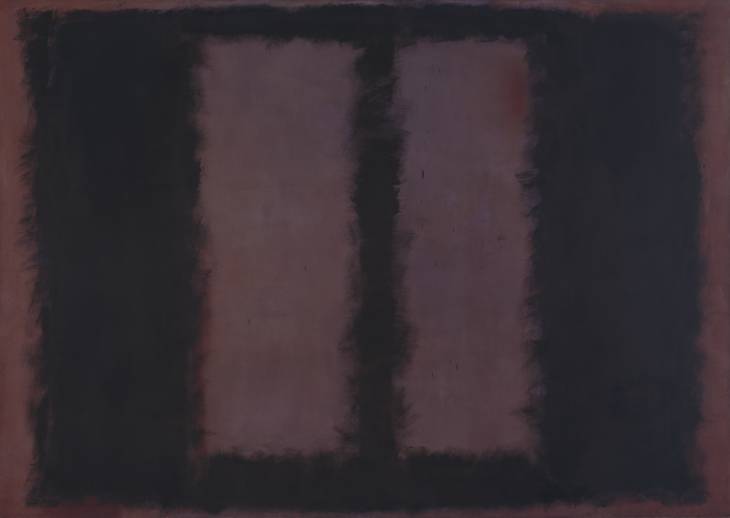
So, you're here because you've got a thing for art, huh? Or maybe you're just curious about that mysterious black square with a hint of maroon that's been staring at you from your Instagram feed. Either way, grab a coffee, get comfy, and let's chat about Mark Rothko's Black on Maroon like we're old pals.
Who's this Rothko guy?
Alright, let's rewind a bit. Mark Rothko was this super serious, kinda moody guy from the mid-20th century. He was part of this art movement called Abstract Expressionism, which was like the punk rock of the art world back then. Think of him as the Jim Morrison of the art scene - intense, emotional, and always wearing black.
Now, Rothko wasn't your typical party animal. He was all about exploring the human experience through color and form. He believed that art should evoke emotions, make you feel something deep down in your gut. And that's exactly what he did with Black on Maroon.
So, what's the deal with this painting?
Imagine you're standing in front of Black on Maroon. It's not like one of those paintings where you can just glance at it and move on, right? It's more like a conversation. A really intense, emotional conversation.
At first glance, it's just a big black square floating on a maroon background. But hold on a sec, don't dismiss it just yet. Look closer. See how the black isn't just black? It's got these subtle edges, these hints of color that make it seem like it's glowing from within. And that maroon - it's not just any maroon. It's deep, it's rich, it's like it's swallowing up the light.

Rothko wanted you to feel small, insignificant even, in front of this painting. But not in a bad way. More like, he wanted you to appreciate the vastness of human emotion. The black could be sadness, despair, the void. The maroon, well, that could be hope, warmth, life. It's all up to you, really.
Why should I care?
You might be thinking, "Okay, that's all well and good, but why should I care about some old painting?" Well, my friend, because art like this makes us human. It makes us feel, think, question. It's not just about looking pretty on a wall.

Rothko's paintings, especially Black on Maroon, are like emotional time capsules. They're a reminder that we're not alone in our feelings, no matter how dark or complex they might be. And isn't that something worth caring about?
But how do I 'get' it?
Here's the thing, there's no right or wrong way to 'get' Rothko. You don't need to know art history or have some fancy degree to appreciate it. Just stand there, look at it, feel it. Let it seep into you. It's like a good book or a great song - it's all about personal connection.
And if you still don't get it after all that, well, that's okay too. Art's not always about understanding, it's about experiencing. So, go ahead, give it a try. Have a little chat with Black on Maroon. Who knows, you might just make a new friend.