
Red Rare Chinese Porcelain Marks
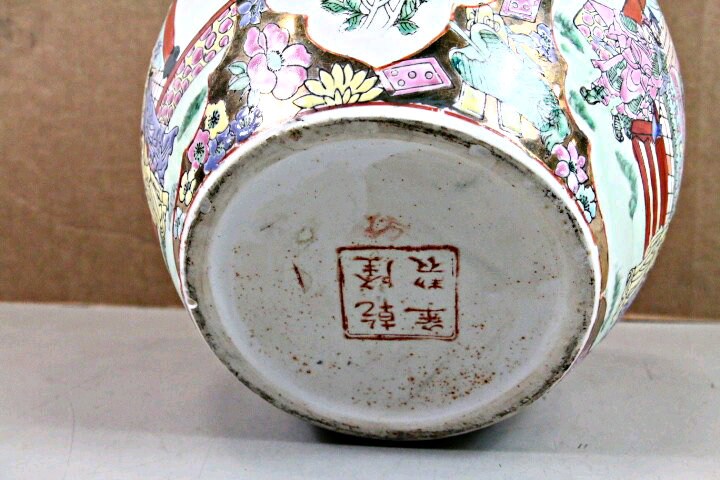
Unveiling the Stories Behind Red Rare Chinese Porcelain Marks
Ever wondered about those tiny symbols on your grandma's old teapot or the curious marks on that vase you picked up at a flea market? You're not alone! Today, let's dive into the fascinating world of Chinese porcelain marks and discover why they're like the secret language of our beloved ceramics.
Marks as Identity Cards
Imagine if your favorite mug could talk. It'd probably tell you where it was born, who made it, and maybe even some fun stories from its journey to your kitchen cabinet. Chinese porcelain marks are like these magical talking mugs, whispering tales from centuries ago.
In the bustling markets of ancient China, these marks served as identity cards for porcelain. They helped traders, collectors, and even the royal court keep track of where each piece came from. It's like when you check the label on your t-shirt to see if it's made of cotton or polyester - but in this case, we're talking about kilns, artists, and dynasties!
Must Read
Kiln Signatures: The Original Instagram
Remember when you first started using Instagram, and you'd eagerly look for that little '✓' to see if your friends had liked your posts? Well, Chinese kilns had their own version of that '✓' - their signatures!
Each kiln had its unique mark, like a personal stamp. Some were simple, like the '⚒' symbol of the famous Jingdezhen kiln. Others were more elaborate, featuring characters that read 'Made in the Great Ming Dynasty' or 'Product of the Imperial Kiln'. It's like finding a 'Verified' tick next to your favorite celebrity's account!
Rarity: The Key to Unlocking History
Now, you might be thinking, "That's all well and good, but why should I care about these marks?" Well, here's where things get exciting. Rare marks can unlock hidden histories and even reveal secrets!

Take the 'Dougong' mark, for example. It's a rare one, found on porcelain from the early Ming Dynasty. This mark is so rare that if you find a piece with it, you've struck gold - or rather, porcelain! It's like finding a hidden treasure map in your attic.
Or what about the 'Kangxi' mark? It's one of the most sought-after marks by collectors. Named after the Kangxi Emperor, it's a symbol of the Qing Dynasty's golden age. Finding a piece with this mark is like discovering a long-lost family heirloom - it's a piece of history you can hold in your hands!
Red Rare: The Cherry on Top
But wait, there's more! The color red adds an extra layer of intrigue to these marks. In Chinese culture, red is a symbol of luck, prosperity, and happiness. So, when you see a red mark on a piece of porcelain, it's like finding a pot of gold at the end of the rainbow.

Red marks were often used by the imperial court to indicate that a piece was made specifically for the emperor or the royal family. It's like finding a note that says, "Property of King Arthur" on your old mug - it suddenly becomes a whole lot more valuable and interesting!
So, Why Should You Care?
Alright, so you might not be a history buff or an antique collector. But that doesn't mean you can't appreciate the stories hidden in those tiny marks. Every time you pick up a piece of Chinese porcelain, you're holding a piece of history. And who knows? You might just have a rare treasure in your hands!
So next time you're at a garage sale or rummaging through your attic, keep an eye out for those curious marks. You never know what story you might uncover. And who knows? You might just become the next Indiana Jones of the porcelain world!
Happy hunting, history detectives!