
Statue In East Asian Temples
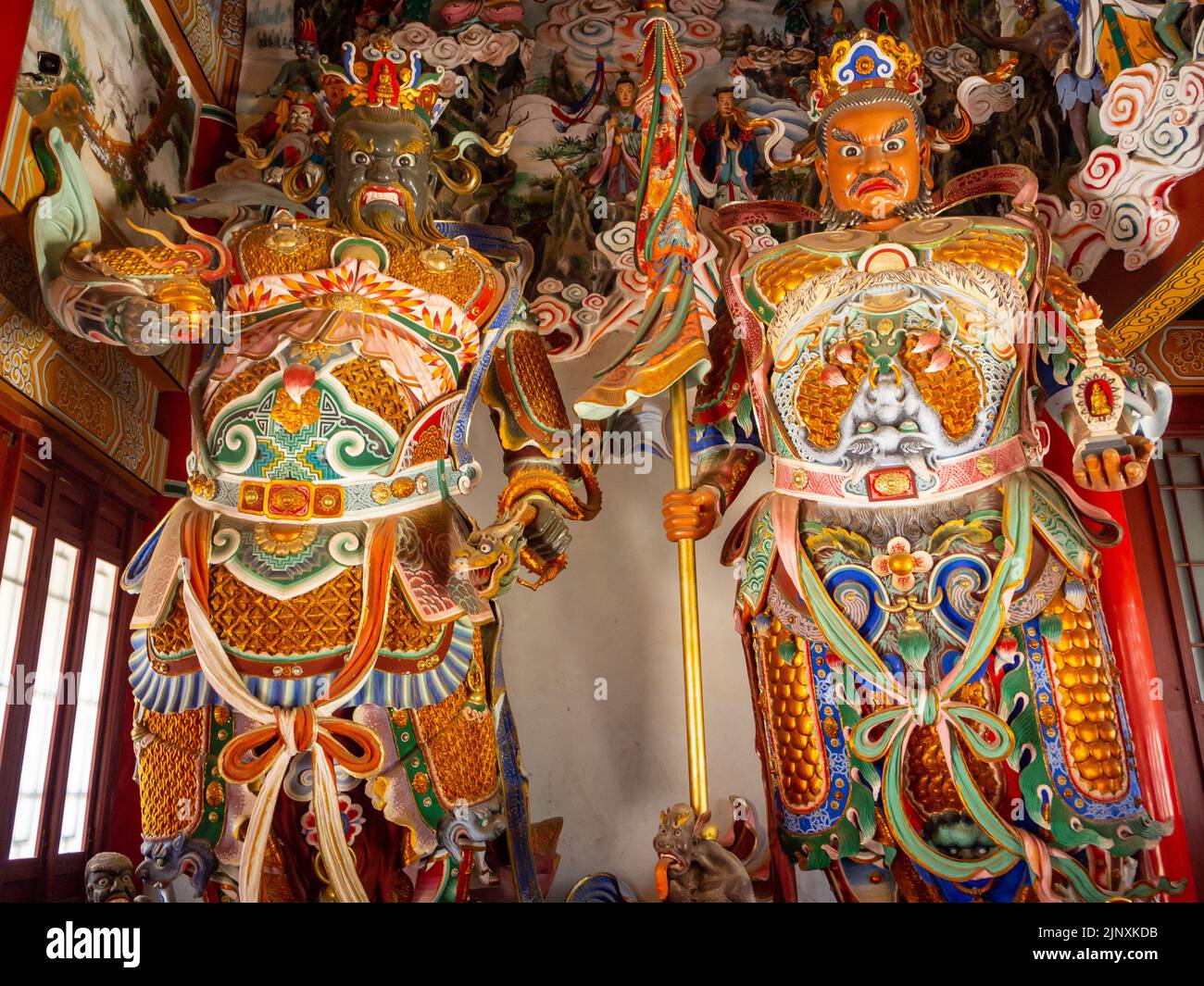
So, you're curious about those statues you see in East Asian temples, huh? Let's grab a coffee and chat about 'em. I promise, no boring history lessons here, just a fun, casual chat.
First things first: Why are they there?
Well, imagine you're walking into a temple. You look up, and there's this grand, often larger-than-life statue staring down at you. Intimidating, right? Not quite, my friend. Those statues, or buddhas as they're often called, are there to inspire and guide. They represent the enlightened ones, the ones who've figured out life's big mysteries. Sort of like our own personal life coaches, carved in stone.
Now, who are these guys?
Meet Gautama Buddha, the original enlightened one. He's the main man in most East Asian temples. But you'll also find his disciples, bodhisattvas, and even mythical creatures like the Nio Guardians. They're the beefy guys at the entrance, there to protect the temple and scare off evil spirits. Think of them as the bouncers of the spiritual world.
What's with all the hands and poses?
You've probably seen those statues with their hands doing all sorts of weird things. That's called a mudra, and it's like their own secret language. The most common one is the abhaya mudra, where the hand is held out, palm facing forward. It's like they're saying, "Chill, I got this. You're safe." Other mudras can represent teaching, meditation, or even calling the earth to witness something.

And the eyes? Why are they always closed?
Ever tried meditating? It's tough, right? Those statues are showing off. They're in deep meditation, symbolizing inner peace and enlightenment. Plus, with their eyes closed, they're not judging you for checking out their awesome abs. Win-win!
But why are they always gold?
Gold isn't just for showing off (though, let's be real, that's part of it). It's also a symbol of purity and enlightenment. Plus, it helps preserve the statue from the elements. And let's not forget, it makes them look pretty darn impressive. I mean, who wouldn't want to look like they're made of solid gold?

So, should I bow or something?
When you're in a temple, you'll often see people bowing in front of these statues. It's a sign of respect, like a nod or a wave, but with a bit more enthusiasm. If you want to give it a try, go for it! Just remember, it's not about the perfect bow, it's about the thought behind it. And hey, if you trip, we've all been there. Just laugh it off and try again.
And there you have it, folks! A casual chat about those statues you see in East Asian temples. Next time you're in one, give them a wave. Who knows, maybe they'll wave back. Or at least, give you a solid gold high-five in your dreams.