
Vincent Van Gogh Early Works
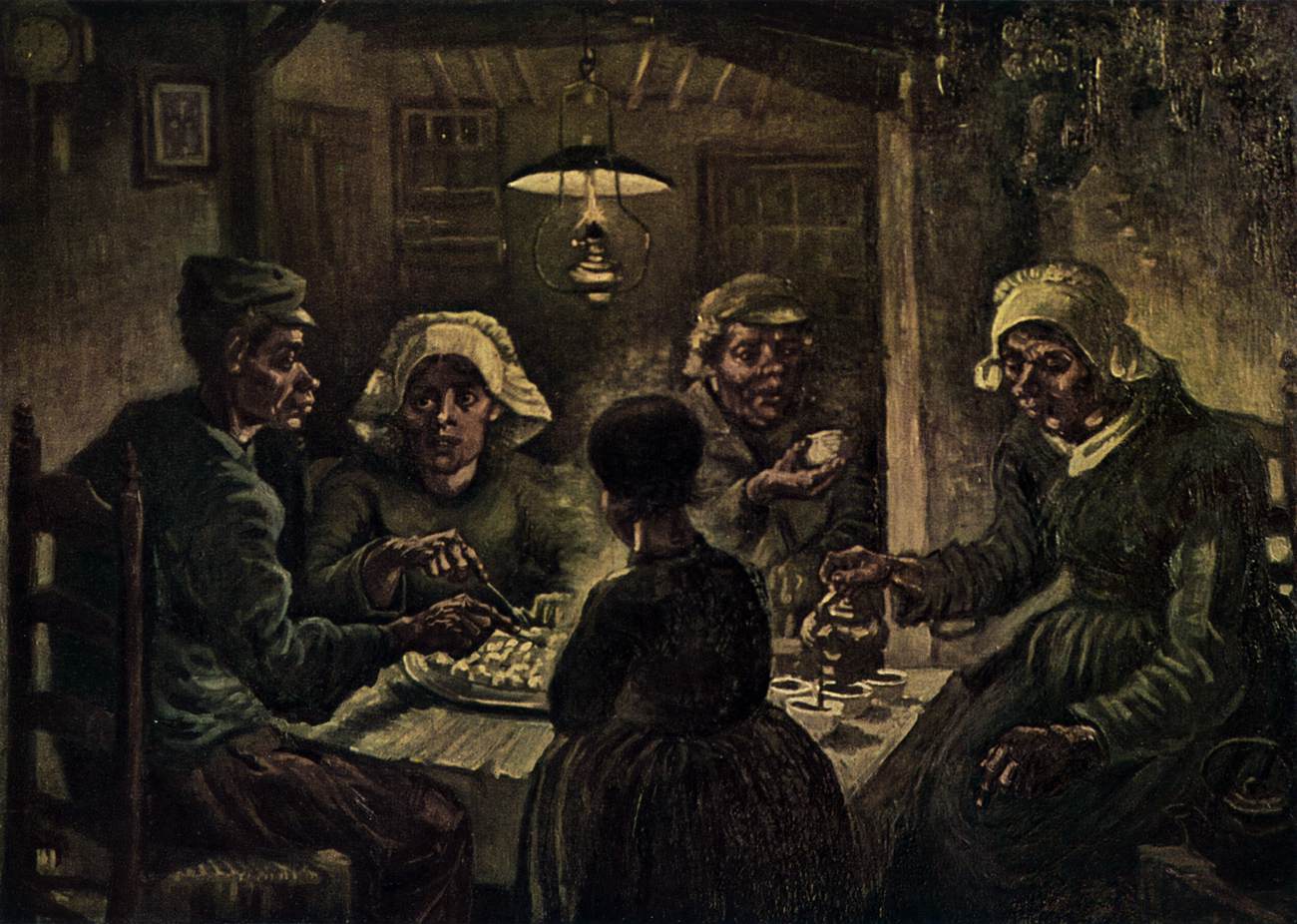
So, there I was, wandering through the dusty corridors of a small, slightly forgotten museum in the south of France. I'd heard the guide say something about Van Gogh, but I was more interested in the free Wi-Fi signal than the old paintings. Then, boom! I stumbled into a room, and there they were - the early works of Vincent Van Gogh. It was like walking into a secret party where the guest of honor hadn't quite found their stride yet.
Van Gogh's Early Works: The Warm-Up Act
You might think Van Gogh was born with a paintbrush in one hand and a palette in the other, but no, my friend. He started like any other artist - with a blank canvas and a whole lot of uncertainty. His early works are like the warm-up act before the main event. You know, the one that makes you think, "Well, this is interesting, but I hope the headliner brings it."
The Dark Days of Etchings and Drawings
Van Gogh's early career was as gloomy as a Dutch winter. He was more into drawing and etching than painting. His lines were heavy, his subjects were often religious or historical, and his style was, well, traditional. It was like he was still trying to figure out what his voice was. Imagine Van Gogh as a teenager, trying to find his style while his parents are like, "Have you considered a nice, stable career in accounting?"
But hey, even the greatest artists start somewhere. And let's be honest, none of us want to see baby pictures of Van Gogh's art. We want to see the masterpieces, the ones that make us go, "Wow, how did he even do that?" But understanding his early works gives us a peek into his artistic journey, you know?
First Brush Strokes: The Potato Eaters and Beyond
Then, in 1885, something clicked. Van Gogh picked up a paintbrush and decided to give this painting thing a real shot. His first major painting, "The Potato Eaters," was born. It's a far cry from his later works, but it's a start. It's like when you finally decide to learn how to cook, so you make spaghetti with ketchup. It's not gourmet, but it's a step in the right direction.

After "The Potato Eaters," Van Gogh started to find his footing. His brushstrokes got looser, his colors started to pop, and his subjects became more personal. He started painting landscapes, portraits, and still lifes with a newfound energy. It was like he'd finally found his artistic voice, and he was ready to shout it from the rooftops.
Why Bother with the Early Works?
So, why should you care about Van Gogh's early works? Well, my curious friend, it's like reading the first chapter of your favorite book. It sets the stage for what's to come. It shows you the artist's growth, their struggles, their triumphs. It makes their later works all the more impressive because you know they didn't just appear out of thin air. They were the result of years of practice, experimentation, and self-discovery.

Plus, it's always fascinating to see how an artist's style evolves over time. It's like watching a caterpillar turn into a butterfly. You might not enjoy every stage of the process, but it's amazing to see the transformation nonetheless.
A Word of Caution
Now, don't get me wrong. Van Gogh's early works aren't going to blow your mind like "Starry Night" or "Sunflowers." They're not meant to. They're a work in progress, a learning curve, a warm-up act. But they're an important part of Van Gogh's story, and art is all about the story, right?
So, the next time you find yourself in a museum, don't just rush past the early works. Give them a chance. They might not be the main event, but they're the opening act that sets the stage for something truly spectacular.