
What Document Was Signed In 1776

So, there I was, strolling through Philadelphia, munching on a Philly cheesesteak, when I stumbled upon this massive, gilded frame in the Independence National Historical Park. I squinted at the faded ink, trying to make out the words. "What's this now?" I muttered, wiping a dollop of cheese from my chin.
Turns out, I was gaping at the Declaration of Independence, that famous document signed way back in 1776. You know, the one that kicked off the whole American Revolution shindig. But what exactly was it that those 56 brave souls signed on that hot summer day?
What's in a Name?
Well, first things first, let's clear up a common misconception. The Declaration of Independence isn't actually a declaration for independence. It's a declaration of independence. Big difference, right? It's like saying "I declare I'm independent" instead of "I declare independence for me."
Must Read
Now, you might be wondering, "Why does that matter?" Well, it's all about intent. The Declaration of Independence wasn't just a bunch of guys sitting around, drinking tea (well, maybe they were, but that's another story), and deciding to break away from Britain. It was a formal statement, drafted by Thomas Jefferson, outlining why the American colonies were justified in declaring independence from the British Empire.
So, What's in It?
The document is divided into three parts. The first part is the introduction, where it states that all men are created equal, with certain unalienable rights, like life, liberty, and the pursuit of happiness. You might recognize that bit from your high school history class.
The second part is a long list of grievances against King George III. It's like a really long, really serious Yelp review, detailing all the ways the king had wronged the colonies. There are 27 of them, ranging from "He has made judges dependent on his will alone" to "He has dissolved Representative Houses repeatedly, for opposing with manly firmness his invasions on the rights of the people."
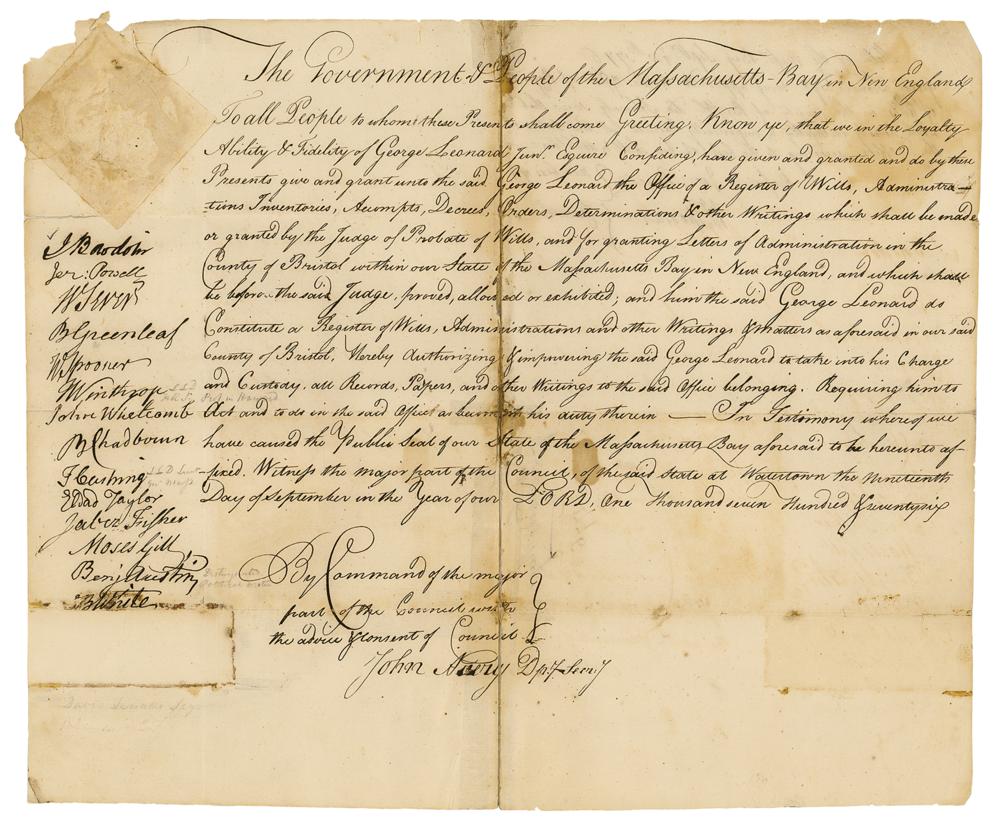
The third part is the actual declaration of independence. It's a single sentence, really, but a mighty one: "That these United Colonies are, and of right ought to be, free and independent States; that they are absolved from all allegiance to the British Crown, and that all political connection between them and the State of Great Britain, is and ought to be totally dissolved." Boom. Independence declared.
Signing Their Names
Now, back to that massive frame in Philadelphia. After the document was approved by the Continental Congress on July 4, 1776, it was time to put ink to parchment. But here's where things get a bit tricky. You see, the document we see today isn't the original one that was signed. That's because the signatories didn't sign the Declaration of Independence on July 4, 1776. They signed it on August 2, 1776.
Why the delay, you ask? Well, it seems that the Continental Congress was a bit hasty in declaring independence. They had approved the document on July 4, but it wasn't until August 2 that they had a clean, engrossed (that means fancy, handwritten) copy to sign. So, all those signatures you see on the document in the museum? They're all from August 2, 1776.

And who were these brave souls who put their names to the document? They were a diverse bunch, representing all 13 colonies. There were farmers, merchants, lawyers, and even a couple of future presidents (John Hancock, who signed first and whose signature is the most famous, and Charles Thomson, who was the secretary of the Congress). Some were wealthy, some were not. But they all shared a common belief in the principles outlined in the Declaration of Independence.
Why It Matters
So, why does any of this matter? Well, for starters, the Declaration of Independence is a foundational document of the United States. It laid the groundwork for our system of government, our rights as citizens, and our relationship with the rest of the world. It's a powerful statement about the inherent dignity and worth of every human being, and it's inspired people around the world to fight for their own freedoms.
But it's also a reminder of the power of collective action. Those 56 signatories didn't just sign their names to a piece of paper. They put their lives on the line. They knew that by signing the Declaration of Independence, they were committing treason against the British Crown, and the punishment for that was death. But they did it anyway, because they believed in something bigger than themselves.
So, the next time you're in Philadelphia, or even if you're just sitting at home, take a moment to think about that massive, gilded frame. Think about the people who signed their names to it, and the principles they believed in. And then, maybe, just maybe, you'll understand why that document signed in 1776 still matters today.