
What Is An Offset Lithograph
Ever wondered how your favorite band's poster ended up looking so darn good on your wall? Or how come that vintage print you snagged at the flea market has such a lovely, rich feel to it? Well, my friend, you can thank the humble offset lithograph for that.
So, What's an Offset Lithograph?
Imagine you're in a bakery, and the baker has this magical machine that can make hundreds of identical cookies in a jiffy. That's kind of what an offset lithograph is like. It's a printing technique that uses a process called 'offset' to create multiple copies of an image, usually on paper, but it can handle other materials too.
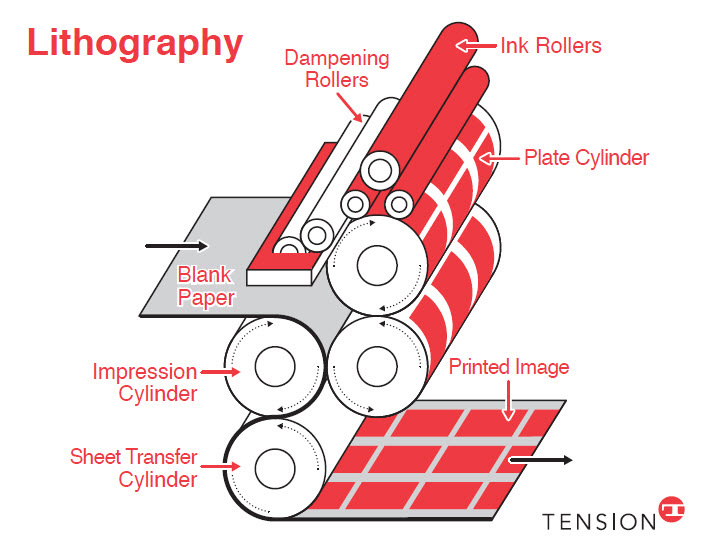
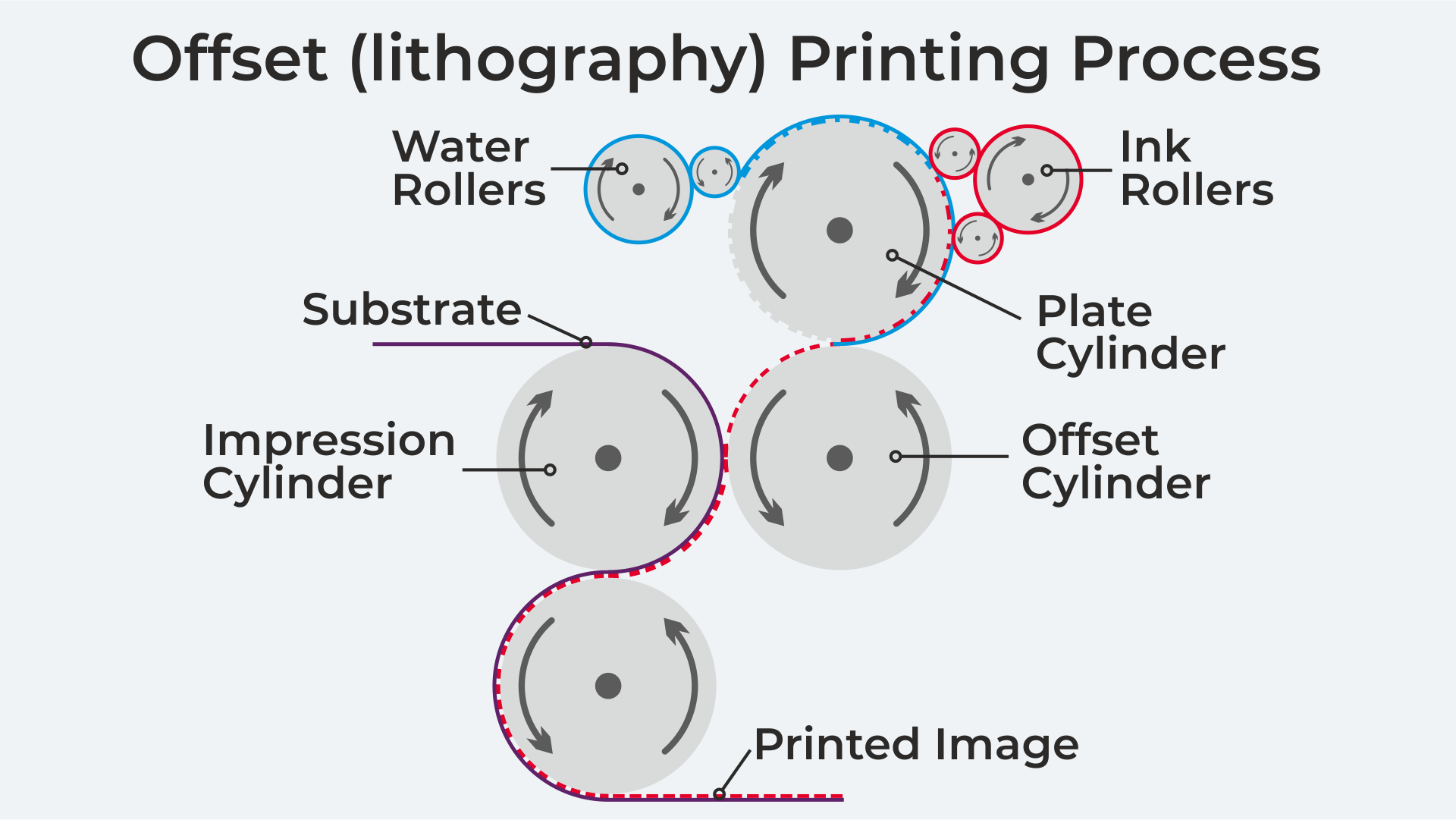
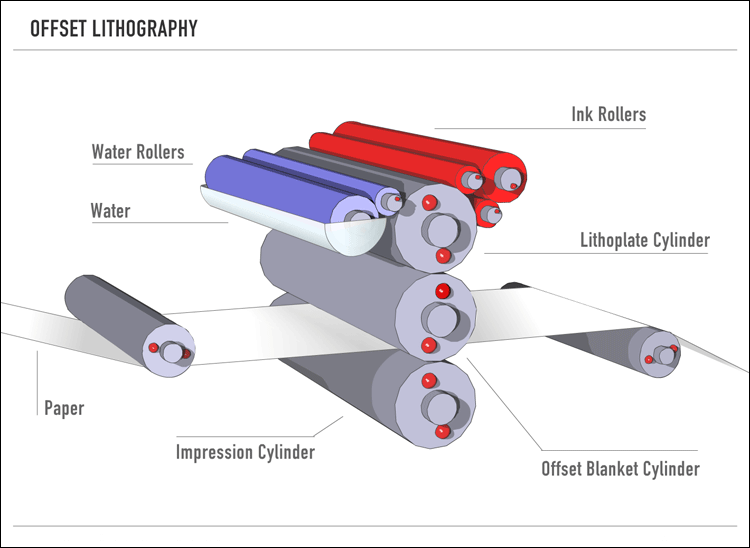
Here's a simple breakdown: An image is first etched onto a metal plate, usually made of aluminum. This plate is then inked, and a special blanket (yes, like the ones you sleep on, but much more sophisticated) picks up the image from the plate. Finally, the blanket transfers the image onto the paper, creating a beautiful, long-lasting print.
Why Should You Care?
You might be thinking, "That's all well and good, but why should I care about this offset lithograph business?" Well, let me tell you, there are plenty of reasons to get excited about these prints.
First off, they're durable. Because the ink is pressed into the paper rather than just sitting on top, offset lithographs can last for generations. Think about those old posters from the '60s that are still hanging in record stores - they're probably offset lithographs!
Secondly, they're versatile. Offset lithographs can be made in a variety of sizes, from tiny postcards to massive billboards. They can also handle a wide range of colors and textures, making them perfect for everything from fine art to advertising.
Lastly, they're affordable. While some high-end offset lithographs can cost a pretty penny, many are surprisingly affordable. This is because the offset process allows for large print runs, which brings the cost down per print.
Offset Lithographs in Everyday Life
You might be surprised to learn that offset lithographs are all around us. They're not just for fancy art prints - they're used for everything from business cards to books to cereal boxes!
Next time you're at the grocery store, take a look at the packaging. Chances are, it's an offset lithograph. That bright, vibrant image of the happy family enjoying their breakfast cereal? That's offset lithography at work.
Or how about those posters you see around town, advertising concerts or movies? Yep, you guessed it - offset lithographs. They're perfect for large-scale printing because they can handle big formats and large print runs.
Offset Lithographs and Art
But where offset lithographs really shine is in the art world. Artists love them because they offer a high degree of control over the final product. The process allows for a wide range of colors and textures, and artists can make adjustments to their prints throughout the process.
Take Andy Warhol, for example. He was a big fan of offset lithography, using it to create his iconic silkscreens. The process allowed him to experiment with color and repetition, creating some of the most recognizable images in 20th-century art.
And it's not just fine art. Offset lithographs are also used in commercial art, graphic design, and photography. They're a staple in the printing world because they're reliable, versatile, and affordable.
So, Should You Care About Offset Lithographs?
Well, I certainly hope so! They're a big part of our visual culture, and they're responsible for many of the beautiful, lasting images we see every day. Whether it's a poster, a book, or a piece of art, there's a good chance that offset lithography played a part in bringing it to life.
So next time you see a print that catches your eye, take a moment to appreciate the craftsmanship behind it. And who knows? You might just find yourself with a newfound appreciation for the humble offset lithograph.