
What Is Considered Antique Furniture

Antique Furniture: The Oldtimers of the Home Decor World
Ever walked into a grandma's house and felt like you've stepped into a time machine? You know, the one with the velvet sofa that's older than your parents, the wooden table that's seen more family dinners than you can count, and the grandfather clock that ticks away like it's got all the time in the world? That, my friends, is what we're talking about when we say 'antique furniture'.
So, What's the Deal with Antique Furniture?
Antique furniture is like the wise old owl of the home decor world. It's been around the block a few times, and it's got the stories to prove it. But here's the thing, it's not just any old furniture that's been kicking around. To be considered an antique, a piece of furniture needs to be at least 100 years old. That's right, it's got to be a centenarian to make the cut.
Now, you might be thinking, '100 years? That's older than my great-grandma's dentures!' And you'd be right. But here's where it gets interesting. Antique furniture isn't just about age. It's about history, craftsmanship, and a certain je ne sais quoi that makes it stand out from the IKEA crowd.
Must Read
Why Should You Care About Antique Furniture?
Alright, so you've got a piece of furniture that's older than your great-grandma's dentures. Why should you care? Well, let me tell you, there's a reason why antique furniture is making a comeback, even in the most modern of homes.
It's a Storyteller. Each piece of antique furniture has a story to tell. Where was it made? Who made it? Where has it been? Who has sat on it, eaten at it, lived with it? When you bring an antique piece into your home, you're not just bringing in a piece of furniture, you're bringing in a piece of history.
Imagine, for a moment, that you've just bought an antique rocking chair. You sit down in it, and as you rock gently, you can't help but wonder about the people who sat in it before you. The mother who rocked her baby to sleep in it. The grandfather who sat in it, smoking his pipe and reading his newspaper. The stories are endless, and they're all yours to imagine.
It's a Work of Art. Antique furniture is more than just functional. It's a work of art. It's a testament to the craftsmanship of a bygone era. A time when furniture wasn't mass-produced in factories, but handcrafted by skilled artisans. Each piece is unique, with its own quirks and imperfections that add to its charm.
Take, for example, the humble wooden chair. In the hands of an antique furniture maker, it's not just a chair. It's a sculpture. It's a piece of art that you can sit on. It's a reminder that function and beauty can coexist.
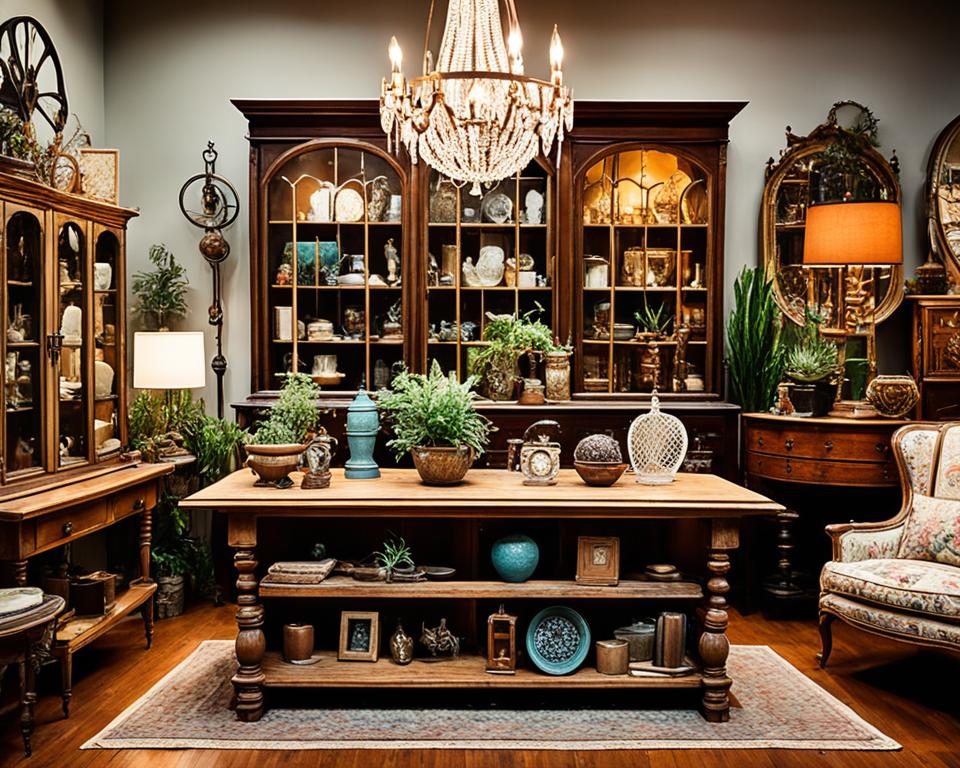
It's an Investment. Now, I know what you're thinking. 'Antique furniture sounds great and all, but it's probably going to cost me an arm and a leg.' And while it's true that antique furniture can be an investment, it's one that can pay off in the long run.
Think about it. You buy a piece of antique furniture today. You take care of it. You pass it down to your children, and they pass it down to theirs. A hundred years from now, that piece of furniture could be worth a small fortune. Not to mention the fact that you've got a piece of history in your home that's only going to become more valuable with time.
How to Spot an Antique
Alright, so you're convinced. You want a piece of antique furniture in your life. But how do you know if something is truly antique, or just a cleverly disguised old piece of junk? Here are a few tips:
Look for Signs of Age. This one's a no-brainer. If a piece of furniture looks old, it probably is. But beware, some unscrupulous sellers might try to make a piece look older than it is. Look for signs of genuine age, like wear and tear, patina (that's just a fancy word for a nice, even layer of dirt), and a certain softness to the wood.
Check the Construction. Antique furniture was made to last. It was built by hand, with solid wood and sturdy joinery. If a piece feels sturdy and well-made, it's a good sign that it's an antique.
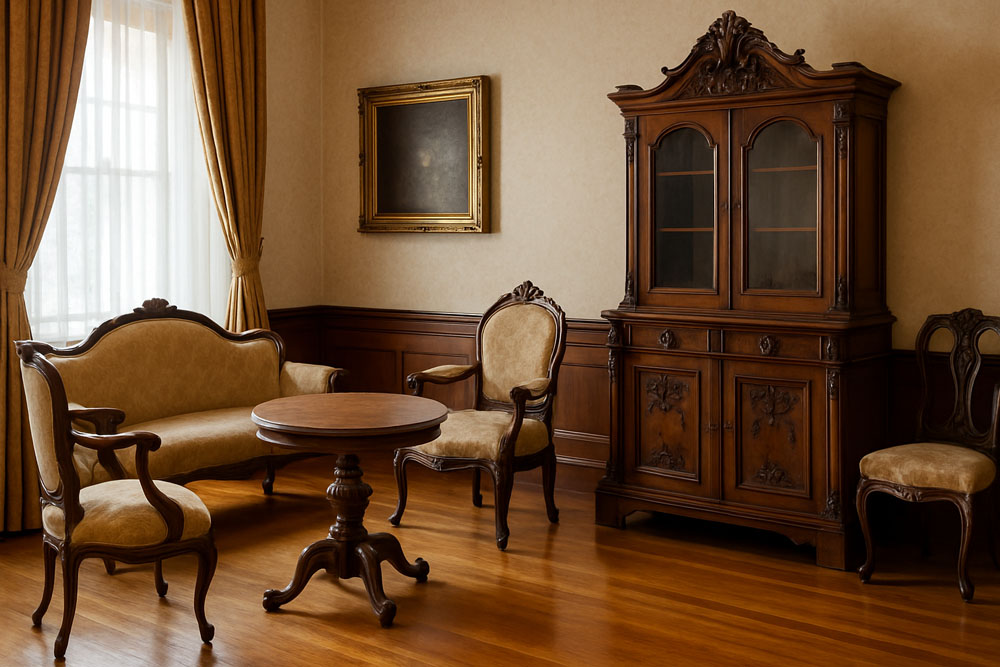
Ask Questions. Don't be afraid to ask the seller where the piece came from, how old it is, and what kind of condition it's in. A reputable seller should be happy to answer your questions. If they're evasive or vague, it might be a sign that they're trying to hide something.
Caring for Your Antique Furniture
So, you've found the perfect piece of antique furniture. You've brought it home, and now you want to make sure it stays in tip-top shape for the next hundred years. Here are a few tips:
Keep It Clean. Dust and dirt are the enemies of antique furniture. They can scratch the finish and speed up the aging process. Use a soft, dry cloth to dust your furniture regularly. For tougher grime, use a mild soap and water solution, but be careful not to get the wood too wet.
Keep It Out of the Sun. Direct sunlight can fade the finish of your antique furniture and even warp the wood. Try to keep your furniture out of direct sunlight, or at least turn it occasionally to even out the exposure.
Keep It Humid. Wood is a living thing, and it responds to changes in humidity. In dry climates, you might need to use a humidifier to keep your furniture from drying out and cracking. In humid climates, make sure your furniture has good ventilation to prevent mold and mildew.
So, Are You Ready to Welcome an Antique into Your Home?
Antique furniture is more than just a piece of decor. It's a piece of history. It's a work of art. It's an investment. It's a storyteller. And it's a reminder that sometimes, the old ways are the best ways. So, go on. Find that perfect piece of antique furniture. Bring it home. Give it a place of honor in your home. And let the stories begin.