
What Is Lithography In Art
Lithography: The Art of Stone Printing
Imagine you're in a bustling Parisian café, sipping on an espresso, and flipping through a book of prints by the likes of Picasso or Matisse. You might be wondering, how did these masterpieces end up on paper? The answer lies in a process called lithography, an art form that's been around since the late 18th century.
So, What's the Deal with Lithography?
Lithography, derived from the Greek words 'lithos' (stone) and 'graphia' (writing), is a printing technique that uses a flat surface, typically a limestone slab, to create images. Here's a fun fact: it was invented by a German author and actor named Alois Senefelder in 1796, who was looking for a cheaper way to print his plays.
Senefelder discovered that certain substances repel water while others attract it. He used this principle to create images on a stone surface, which could then be inked and printed. This method allowed for a wider range of tones and textures than previous printing techniques, making it a favorite among artists.
Must Read
Lithography in Action
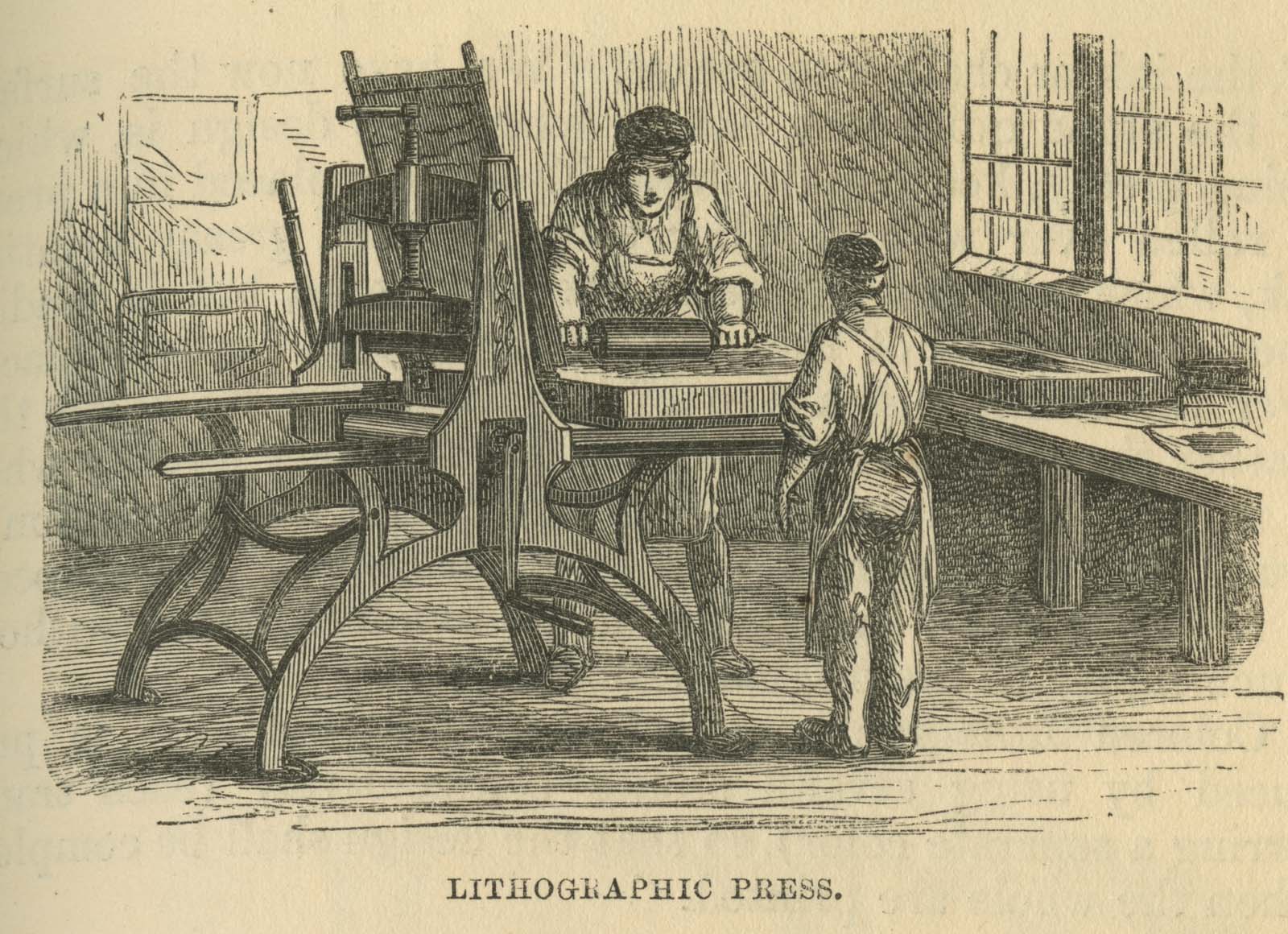
Now, let's dive into the process. First, the artist draws or paints an image onto a limestone slab using a greasy substance, like wax or oil-based ink. The stone is then treated with a mixture of acid and gum arabic, which etches the image into the stone. The stone is then washed with water, leaving the image repellent to water but receptive to ink.
Next, the stone is inked using a roller. The ink sticks only to the image, not the rest of the stone. A piece of paper is then pressed onto the stone, transferring the inked image onto the paper. Et voilà! You've got a print.

Lithography in Pop Culture
Lithography has been used by some of the most renowned artists in history. Picasso and Matisse, for instance, were known for their lithographic prints. In fact, Picasso created over 2,000 lithographs in his lifetime. Even today, artists like David Hockney continue to use this technique.
You might also recognize lithography from its use in commercial printing. Many of the posters and advertisements you see around town are likely printed using this method. And if you've ever had the chance to see a vintage comic book up close, you've seen lithography in action.
Lithography Today
While traditional lithography still exists, the process has evolved over time. Today, many artists use a process called offset lithography, which involves printing onto a flexible plate rather than a stone. This method allows for more detailed and colorful images.

But don't worry, the spirit of traditional lithography lives on. Many art schools still teach the technique, and there are even lithography workshops and studios around the world where you can try your hand at this historic art form.
Bringing Lithography into Your Daily Life
So, why should you care about lithography? Well, for one, it's a fascinating piece of art history that's still relevant today. But more than that, it's a reminder that art can come from the most unexpected places. After all, who would have thought that a simple stone and some ink could create such beautiful and lasting images?
Next time you're looking at a print or a poster, take a moment to appreciate the artistry behind it. And who knows, maybe you'll be inspired to create some art of your own. After all, as Picasso once said, "Every child is an artist. The problem is how to remain an artist once we grow up." So go ahead, grab a stone and some ink, and let your inner artist run wild.