
What Is Reserve In An Auction
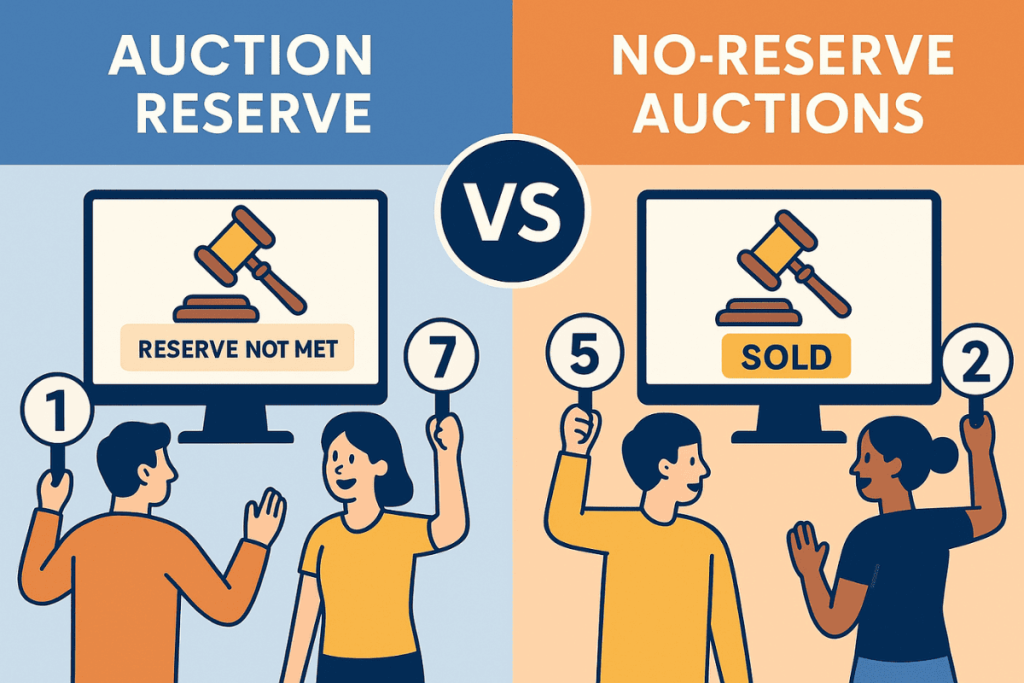
So, picture this: You're at this swanky auction, right? The room's buzzing, the chandelier's sparkling, and you're eyeing that vintage wine set like it's the last bottle of Merlot on Earth. The auctioneer's in full swing, "Going once, going twice..." Suddenly, someone shouts, "Reserve!" The room goes silent. What just happened?
Well, my friend, you've just witnessed the mysterious power of the reserve. It's like the auction world's equivalent of a secret handshake. Let me spill the beans.
What's a Reserve, You Ask?
In simple terms, a reserve is the lowest price the seller is willing to accept for an item. It's the secret number they whisper to the auction house, like a magical threshold that, once crossed, means the item is officially sold.
Think of it as the item's safety net. If the bidding doesn't reach the reserve, the item doesn't sell, and it's like the auction never happened. The seller keeps their treasure, and the bidders go home empty-handed (except for maybe a nice pen they picked up at the registration desk).
Why the Mystery?
You might be wondering, why all the secrecy? Why not just put a price tag on the item and be done with it?
Well, that's where the art of auctioning comes in. The reserve adds a layer of intrigue, a bit of a gamble. It's like playing poker - you never know if you're bidding on a bluff or the real deal. Plus, it gives the seller some wiggle room. If the bidding gets crazy, they might be willing to let the item go for less than the reserve. But if it's a slow day, they can hold out for their magic number.
Reserves: Friend or Foe?
Now, you might be thinking, "Reserves sound great! I'll set one so high no one can beat it, and I'll take home my precious wine set!" Not so fast, buddy.

Here's the thing: If the reserve is too high, it can scare off bidders. They might think, "There's no way that wine set is worth that much," and move on to the next item. So, it's a balancing act. Set it too low, and you might sell your grandma's heirloom for a song. Set it too high, and you might not sell it at all.
And remember, the auction house wants to sell stuff too. They might have some say in what the reserve should be. It's a dance, my friend, a delicate dance.
Reserves in the Digital Age
You might be thinking, "This is all well and good, but I'm more of an eBay kind of gal." Fear not, dear online shopper. Reserves are alive and well in the digital world too.
Many online auctions use a similar system. The seller sets a reserve, and if the highest bid doesn't meet it, the item doesn't sell. Some sites even let you see the reserve price, so you know what you're up against. It's like a virtual secret handshake.

So, Should You Use a Reserve?
That, my friend, is the million-dollar question. Or rather, the "Is this wine set really worth a million dollars?" question. The answer? It depends.
If you've got a priceless treasure, a reserve can protect you from selling it for a song. But if you're just looking to declutter, you might want to leave the reserve at home. After all, one person's trash is another person's treasure.
And remember, the auction world is all about the thrill of the chase. Setting a reserve can add a bit of that mystery, that excitement. But it can also scare off potential buyers. It's a risk, a gamble. And isn't that what auctions are all about?
So, the next time you're at an auction, remember the reserve. It's the secret number that could make or break the deal. And who knows? Maybe you'll be the one shouting it out, changing the game, and taking home the wine set of your dreams.