
What Is The Dada Movement
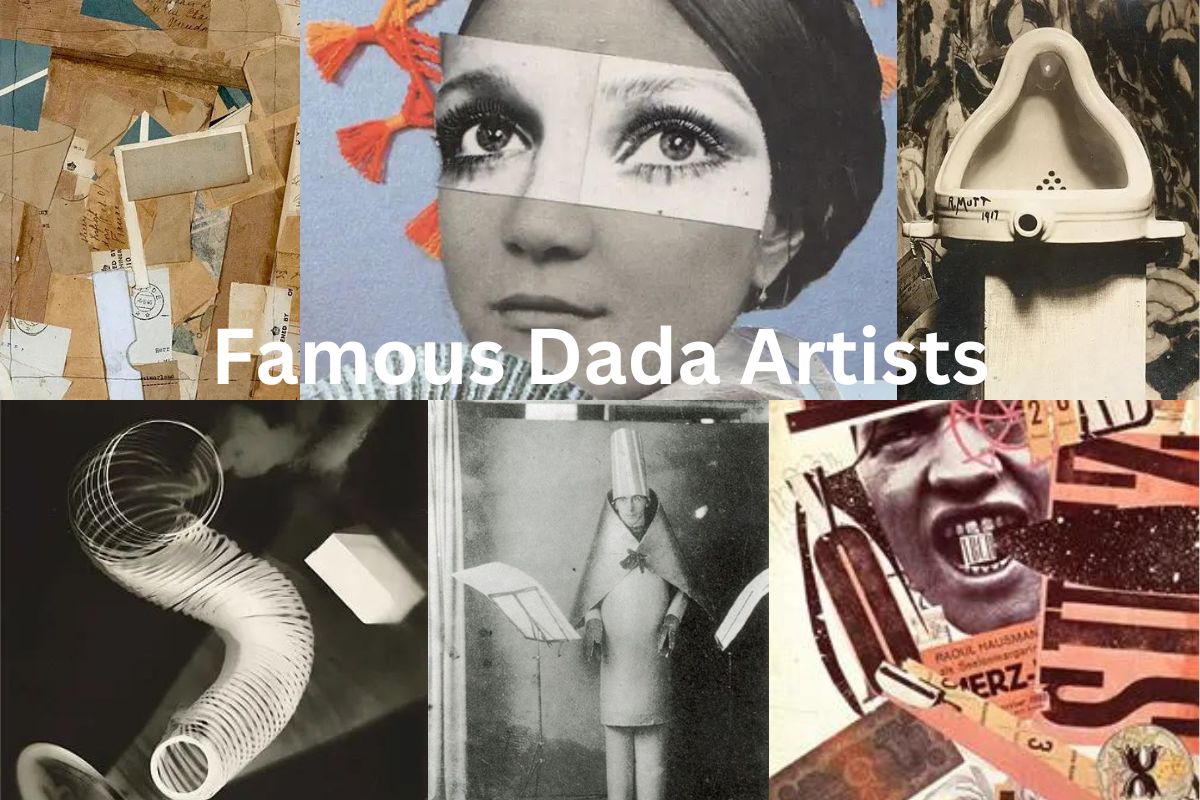
So, picture this: you're strolling through a bustling art gallery, sipping your overpriced coffee, when suddenly, your eyes land on a painting that looks like a toddler threw some paint at a canvas and called it a day. You squint, tilt your head, and think, "Is this a joke?" Well, my friend, you might just be looking at a piece of Dada art.
What's the Deal with Dada?
Now, you might be wondering, "What in the world is Dada, and why is it making fun of my art appreciation skills?" Well, grab a seat, because we're about to dive into the weird, wonderful, and often confusing world of the Dada movement.
Imagine a group of artists, poets, and intellectuals, all gathered in the aftermath of World War I, feeling disillusioned, angry, and more than a little bit sarcastic. That's the birthplace of Dada. It was like the art world's equivalent of a teenager rolling their eyes and saying, "I don't even know why I bother."
Must Read
Dada: The Original Art World Rebel
Dada was born in Zurich, Switzerland, in 1916, when a group of artists, including Tristan Tzara and Marcel Duchamp, decided they'd had enough of the world's nonsense. They wanted to create art that reflected their disillusionment and challenged the establishment. And let me tell you, they didn't hold back.
Dada artists used everything from found objects to chance operations to create their pieces. They believed in the power of the absurd, the irrational, and the downright bizarre. After all, if the world was going to be crazy, they might as well make some art out of it.
Dada's Many Faces
Now, Dada wasn't a one-size-fits-all kind of movement. It had many faces, and each one was weirder than the last. Let's meet a few:

Marcel Duchamp and the Readymades
Duchamp was one of Dada's most famous faces. He's the guy who took a urinal, turned it upside down, signed it "R. Mutt," and called it a work of art. That, my friends, is a readymade - an ordinary object elevated to the status of art by the artist's intention. Duchamp was basically saying, "If you can think of it as art, then it is art." Mind. Blown.
Tristan Tzara and Dada Manifestoes
Tzara was the movement's manifesto machine. He wrote a new manifesto every other day, it seemed, each one more radical than the last. His "Dada Manifesto 1918" is a wild ride of a read, full of poetic rants and angry ramblings. It's like he sat down and said, "I'm going to write the most confusing, infuriating art statement ever." And you know what? He succeeded.
Hannah Höch and Dada Collage
Höch was one of the few women in the Dada movement, and she was a collage queen. She'd take images from magazines, newspapers, and other sources, cut them up, and reassemble them into something entirely new and often political. Her work was a commentary on everything from consumer culture to gender roles. And it was beautiful, too - in a "wait, what am I looking at?" kind of way.

Dada's Legacy
So, why does any of this matter? Well, Dada might have been born out of anger and disillusionment, but it left behind a legacy that's still felt today. It challenged the very idea of what art is and who gets to make it. It opened the door for everything from Pop Art to Conceptual Art to, well, just about anything you can think of.
Plus, it's a reminder that sometimes, the best way to respond to a crazy world is with a healthy dose of absurdity. So the next time you see a piece of art that makes you scratch your head, remember: that's just Dada being Dada.
And who knows? Maybe one day, you'll look at a urinal and see a masterpiece. Stranger things have happened, right?