
What Is The Pop Art Movement
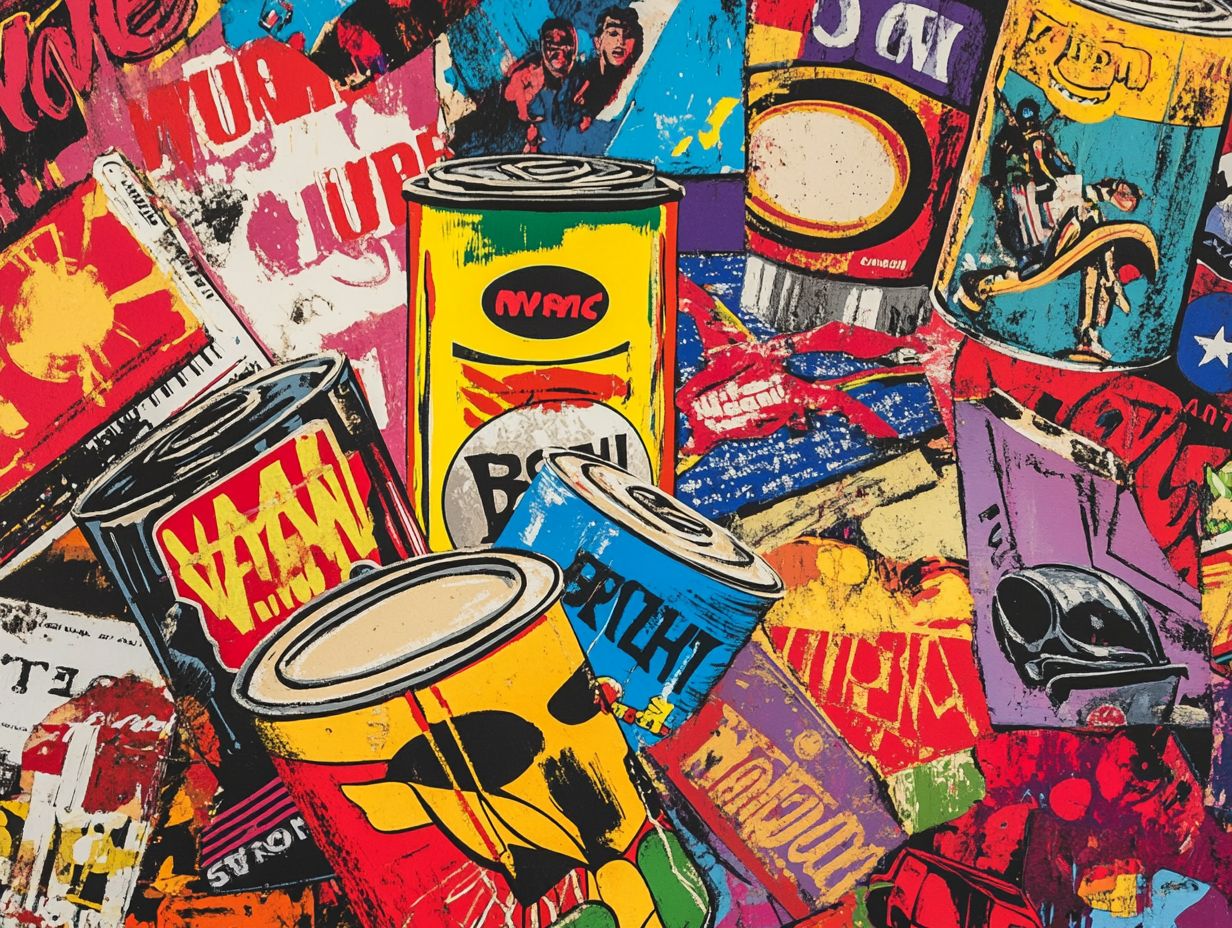
So, you've found yourself in the vibrant, neon-lit world of Pop Art, huh? Well, buckle up, buttercup, 'cause we're about to take a whirlwind tour through this eye-popping, mind-blowing movement that turned the art world on its head in the mid-20th century.
What's the Deal with Pop Art?
Imagine you're walking down the street, minding your own business, when suddenly, you're hit by a barrage of bright colors, bold patterns, and familiar images - like a visual smack in the face. That, my friend, is the essence of Pop Art. It's like the art world's version of a flash mob, but instead of breaking into song and dance, they're painting giant soup cans and splashing words like "WAR" across canvases.
Now, you might be thinking, "That sounds like a bit of a mess." And you'd be right. But remember, we're talking about a time when the art world was as stuffy as a Victorian parlor. Pop Art was like the rebellious teenager who showed up to the prom in a leather jacket and ripped jeans, ready to shake things up.
Who's Behind This Colorful Chaos?
At the helm of this vibrant rebellion were a bunch of artists who decided they'd had enough of all that serious, highbrow art. They wanted to make art that was fun, accessible, and reflected the world they lived in - think advertising, comic books, and movie stars. These trailblazers included the likes of Andy Warhol, Roy Lichtenstein, and Keith Haring.
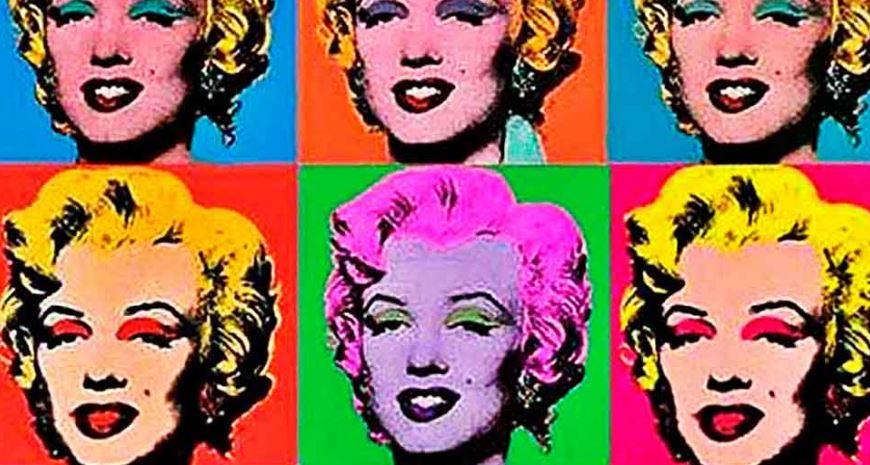
Andy Warhol, the king of Pop Art, was a master of the unexpected. He took everyday objects like Campbell's soup cans and Marilyn Monroe's face and turned them into iconic works of art. And get this - he once said, "I want to be a machine," and he wasn't kidding. He had a factory (yes, like the kind that makes cars) where he and his team churned out art en masse. Talk about a production line!
Then there was Roy Lichtenstein, who took comic strips and turned them into giant, bold paintings. His work, "Whaam!" is like a freeze-frame from a superhero movie, complete with Ben-Day dots and speech bubbles. It's like he took the art world's stuffiness and punched it in the face (get it? "Whaam!").
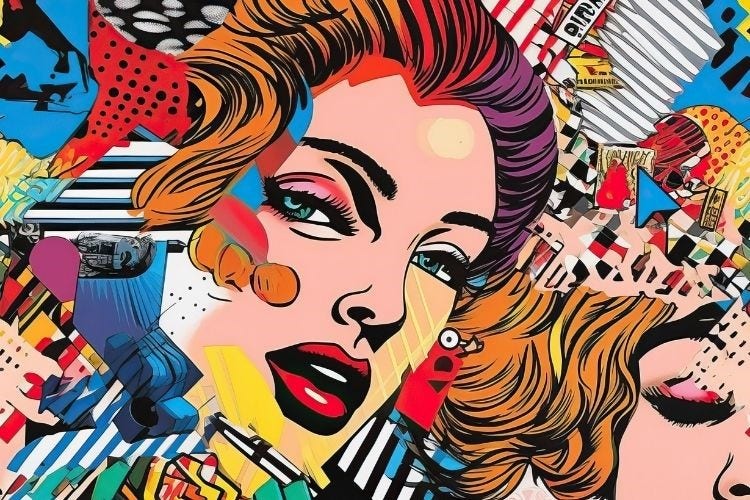
And let's not forget Keith Haring, who brought street art into the galleries. His bold, colorful figures dancing and cavorting across canvases and walls were a breath of fresh air in the staid art world. He once painted a mural on the Berlin Wall - now that's making a statement!
Why All the Fuss?
Pop Art was like a big, neon middle finger to the art establishment. These artists took the everyday, the mundane, and the downright tacky and turned it into something worth millions. They democratized art, making it something that everyone could understand and enjoy, not just the elite.
And the best part? Pop Art didn't just stop at paintings. It seeped into every aspect of culture - fashion, music, film. It was a cultural phenomenon that changed the way we see the world. It's like they looked at the bright, flashy, consumer-driven society they lived in and said, "Why not make art out of this?"
But Wait, There's More!
Did you know that Andy Warhol once said he wanted to be a machine? And he wasn't kidding. He had a factory (yes, like the kind that makes cars) where he and his team churned out art en masse. Talk about a production line!
Or how about this - Roy Lichtenstein's "Whaam!" is so realistic, it's like a freeze-frame from a superhero movie. It's got Ben-Day dots, speech bubbles, the works. It's like he took the art world's stuffiness and punched it in the face (get it? "Whaam!").
And Keith Haring? He brought street art into the galleries. His bold, colorful figures dancing and cavorting across canvases and walls were a breath of fresh air in the staid art world. He once painted a mural on the Berlin Wall - now that's making a statement!
So, What's the Verdict?
Pop Art was a wild ride through the mid-20th century, a time when the art world was turned on its head and given a good shake. It was bold, it was brash, and it was unapologetically itself. And isn't that what art is all about? Making a statement, challenging the status quo, and leaving a mark on the world?
So next time you see a bright, bold piece of art that makes you do a double-take, remember, that's Pop Art. It's the art world's version of a high-five, a shout-out to the everyday, the familiar, the downright ordinary. And isn't that something worth celebrating?