
What Was The Abstract Expressionist Movement

Hey there, art lovers! Let's dive into the wild, wonderful world of Abstract Expressionism. You might be thinking, "Abstract? Isn't that just a bunch of squiggles and splashes?" Well, hold onto your hats, because we're about to turn that notion on its head!
Imagine this: it's the 1940s, post-WWII New York. The city's a buzzing hive of creativity, and a group of artists are about to shake up the art world. They're not interested in painting pretty pictures or capturing reality. No, no, no! They want to express their emotions, their souls, their very existence on canvas. And so, the Abstract Expressionist movement was born.
Meet the Players
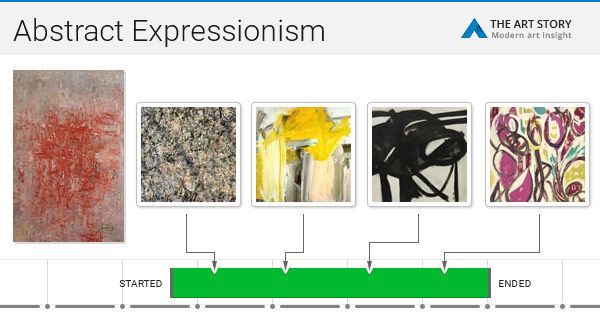
At the heart of this creative storm were a bunch of colorful characters. There was Jackson Pollock, the wild man of drip painting, who'd dance around his canvas like he was conducting a symphony. Then there was Mark Rothko, the color field king, who'd immerse viewers in his vast, serene rectangles of color. And let's not forget Willem de Kooning, the Dutch dynamo who'd wrestle with his paintings like a bullfighter.
These artists, along with many others, were the life of the party. They'd gather at the Cedar Bar, drink, argue, and paint the town red (literally, sometimes). It was a time of great energy, great passion, and great greatness.
Must Read
What's It All About?
So, what's the big idea behind Abstract Expressionism? Well, it's all about expression. These artists didn't care about painting what they saw; they wanted to paint what they felt. They believed art should be a raw, emotional experience, both for the artist and the viewer.
Take Pollock's drip paintings, for instance. Each drip, each splash, each line is a record of his movement, his energy, his being. It's like he's painting his soul onto the canvas. And when you stand in front of one of his paintings, you can feel that energy. It's like a conversation between the artist and the viewer, a dance of emotion and imagination.
Why Should You Care?
You might be thinking, "This all sounds very intense. Why should I care about a bunch of emotional, abstract paintings?" Well, let me tell you, friend, Abstract Expressionism can make life so much more fun.
For starters, it's all about feeling. These paintings don't just hang on walls; they happen. They're experiences, adventures in color and form. They make you think, they make you feel, they make you live. And isn't that what life's all about?

Plus, Abstract Expressionism is a reminder that it's okay to be messy, to be wild, to be free. These artists didn't care about rules or expectations. They painted what they wanted, how they wanted, and the world loved them for it. So go on, give that canvas a try. Who knows? You might just create something amazing.