
When Did The Dada Movement Start
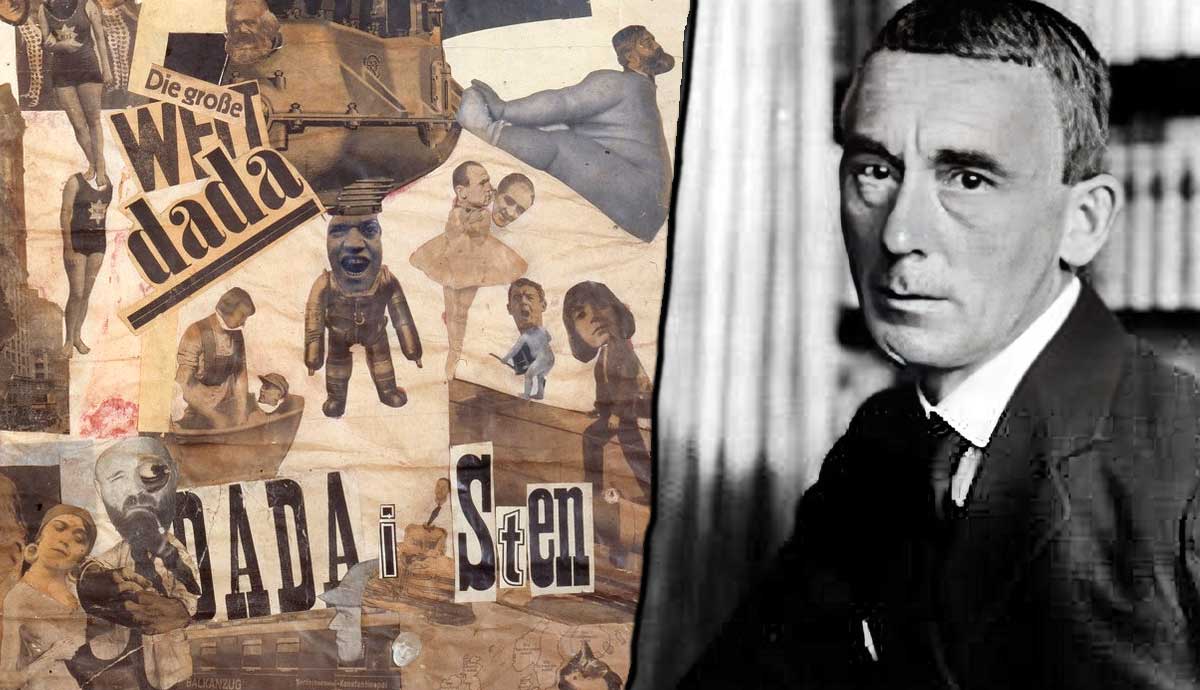
So, When Did the Dada Movement Start? Let's Dive In!
Alright, gather 'round, folks. I've got a tale to tell about a time when art decided to take a coffee break, kick off its shoes, and say, "Hey, let's not take ourselves too seriously." We're talking about the Dada Movement, and yes, it's as wacky as it sounds.
Now, you might be thinking, "Dada? Isn't that just a baby's first word?" Well, yes, it is. But in this case, it's also the name of an art movement that started in the early 20th century. And no, they didn't pick the name because they were all toddlers. They chose it because, in German, 'Dada' sounds like a baby's babble, and they thought that was hilarious. I mean, who needs a fancy, complicated name when you can have something that simple and silly, right?
Zürich, 1916 - The Birthplace of Dada
So, when did this Dada shenanigans begin? Well, buckle up, because it's about to get a bit more serious. The Dada Movement started in the midst of World War I, in the Swiss city of Zürich. Yes, you heard it right. While the rest of Europe was busy blowing each other up, a group of artists and writers were sitting in a café, saying, "Hey, this is ridiculous. Let's make some art that reflects how absurd the world has become."
Must Read
Among the founding fathers (and mothers) of Dada were Tristan Tzara, Hugo Ball, and Marcel Duchamp. These guys were so fed up with the world that they decided to create art that was, well, anti-art. They wanted to challenge the establishment, poke fun at the seriousness of the art world, and maybe, just maybe, make people think about the craziness of the world around them.
Dada's Artistic Antics
Now, you might be wondering, "What kind of art did these Dada folks make?" Well, buckle up, because it's a wild ride. Dada artists used all sorts of materials - from found objects to words cut out of newspapers. They created paintings that looked like they were done by a toddler (which, let's face it, is kind of the point), sculptures made of junk, and poems that didn't make any sense at all.
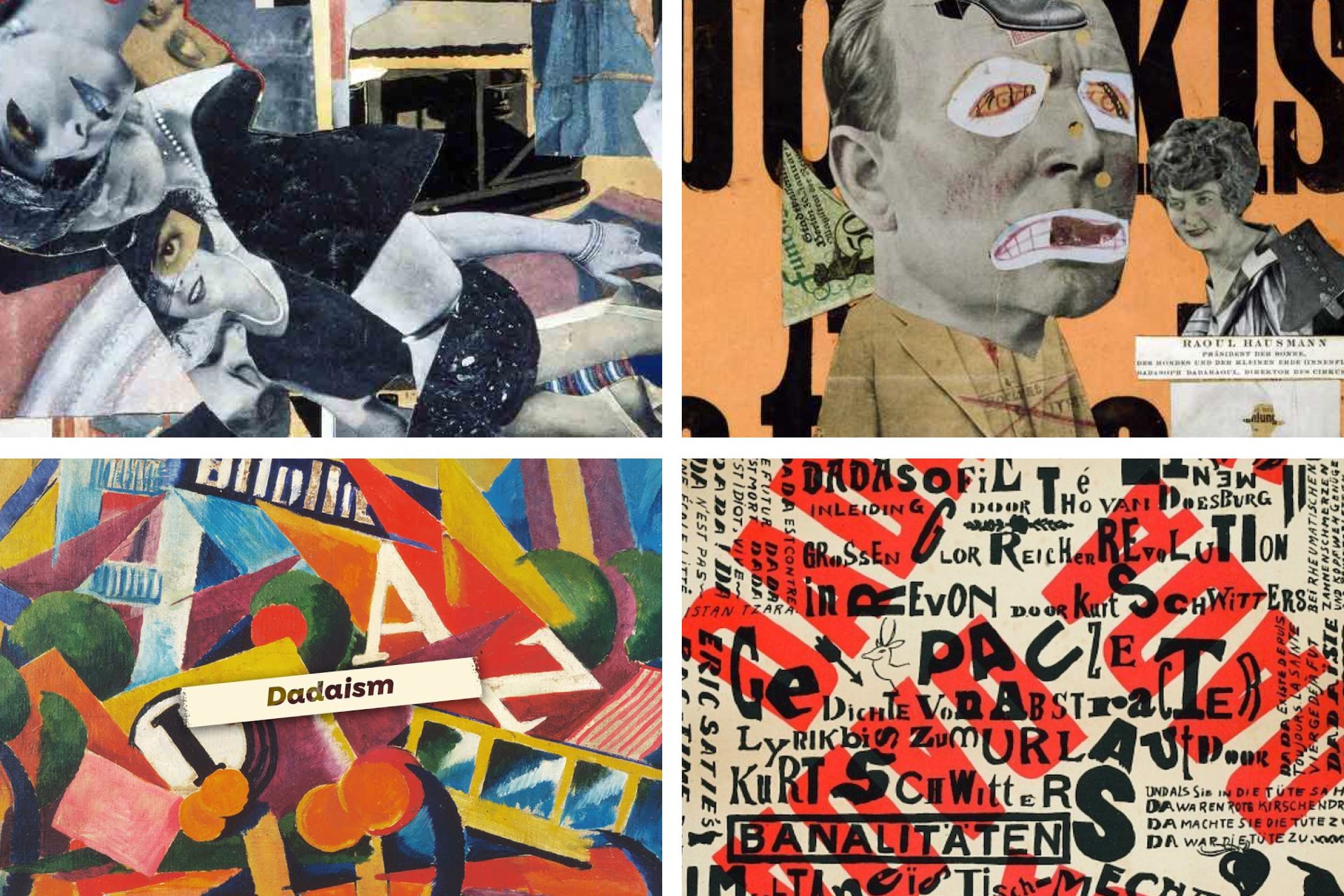
And the performances? Oh boy, the performances. Dada artists would put on these wild, chaotic shows where they'd read nonsense poems, play strange instruments, and generally make a big old mess. They called these events 'soirées,' which sounds fancy, but trust me, there was nothing fancy about them.
One of the most famous Dada performances was called 'The Cabinet of Dr. Caligari.' It was a play that was performed in a dark room with only a single spotlight. The actors wore white makeup and moved in these really exaggerated, jerky motions. It was supposed to be a commentary on the craziness of the world, and let me tell you, it was a trip.

Dada's Legacy
So, what happened to Dada? Well, it didn't last forever. The movement kind of fizzled out in the 1920s, but not before leaving a lasting impact on the art world. Dada artists like Duchamp and Man Ray went on to become major figures in the world of modern art. And their ideas about challenging the establishment and questioning the value of art are still going strong today.
In fact, you could argue that every time an artist does something that makes you scratch your head and say, "What is that supposed to mean?" they're paying homage to the Dada Movement. And isn't that a funny thought? That a bunch of artists messing around in a Zürich café over a hundred years ago could start a chain reaction that's still going on today.
So, the next time you see a piece of art that doesn't make any sense, remember the Dada Movement. Remember the artists who said, "Hey, let's not take ourselves too seriously. Let's have some fun, make a mess, and see what happens." Because sometimes, the most meaningful art is the kind that makes you laugh, makes you think, and makes you say, "Well, that was certainly... something."