
When Was The Wristwatch Invented
So, there I was, fumbling in my pocket for my phone to check the time. You know the drill - it's always in that black hole where your keys and that spare change you swore you'd use someday also live. It got me thinking, "How did we manage before these pocket-sized computers?" And that's when it hit me - we wore our time on our sleeves. Literally.
Enter the Wristwatch
Now, you might be wondering, when did this wristwatch revolution happen? Well, buckle up, because it's not as straightforward as you'd think. You see, the wristwatch didn't just suddenly pop up one day, like a surprise party in a sitcom. No, it was a slow dance, a courtship that spanned centuries.
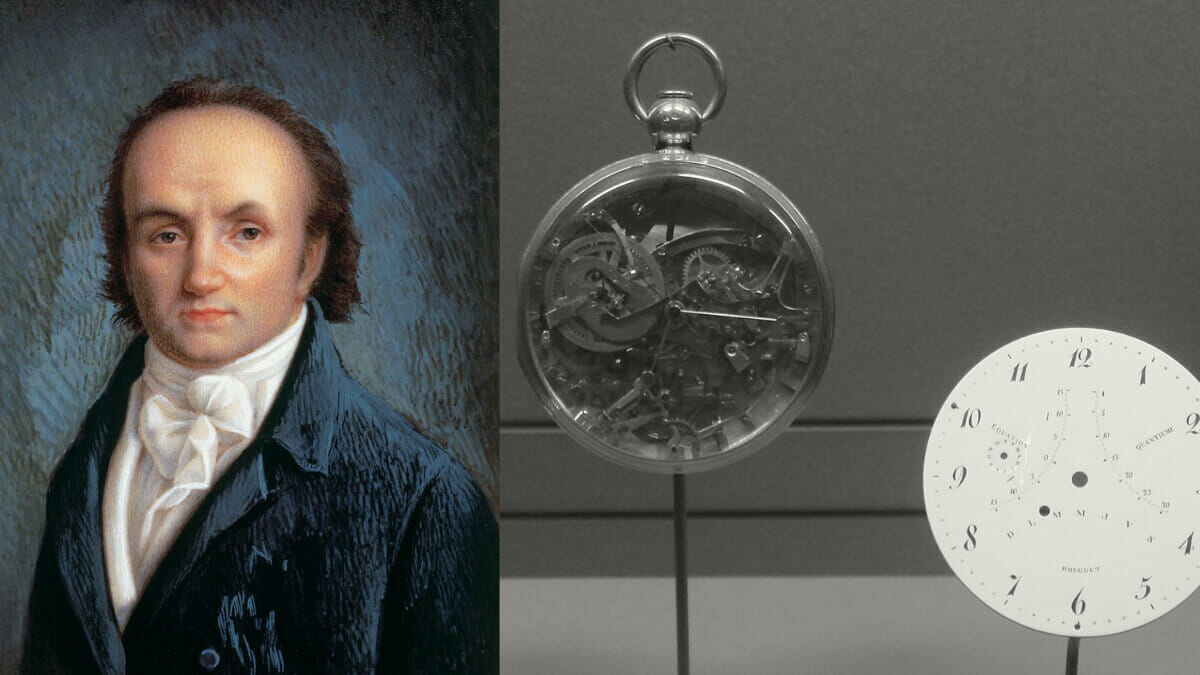
First, let's rewind to the 16th century. Yes, you heard it right. The first portable timepieces were pocket watches, and they were the size of a modern-day smartphone. They were worn by the wealthy, tucked away in pouches or attached to chains. But they were far from convenient. They were heavy, delicate, and not exactly wrist-friendly.
Must Read
From Pocket to Wrist
Fast forward to the 19th century. The pocket watch was still the norm, but things were about to change. The Industrial Revolution was in full swing, and people needed a more practical way to tell time. Enter the wristlet watch. It was essentially a pocket watch attached to a leather strap or a chain, worn around the wrist. But it wasn't until the late 1800s that the term 'wristwatch' was coined.
Now, here's where it gets interesting. The wristwatch wasn't initially a men's accessory. No, no, it was deemed too feminine. Can you believe that? The first wristwatches were often given as jewelry, adorned with gemstones and delicate designs. It was only during World War I that the tide turned.

Wristwatches in Wartime
In the trenches of World War I, soldiers needed to synchronize their attacks. Pocket watches were impractical - imagine trying to dig through your backpack while under fire. So, they started wearing watches on their wrists. It was practical, it was efficient, and it was a game-changer.
After the war, wristwatches became mainstream. They were no longer just for women or soldiers. They were for everyone. By the 1920s, they were a status symbol. By the 1950s, they were a necessity. And here we are today, still wearing our time on our sleeves.

From Analog to Digital
Now, let's talk about the digital revolution. The quartz watch, which uses a tiny quartz crystal to keep time, was invented in the 1960s. It was accurate, it was affordable, and it was the beginning of the end for mechanical watches. But that's a story for another time.
So, there you have it. The wristwatch wasn't invented in a eureka moment. It evolved, it adapted, it changed with the times. And isn't that a beautiful thing? After all, we're not just wearing a timepiece. We're wearing a piece of history.