
Where To Sell My Antique Furniture

Giving Your Grandma's Chair a New Lease on Life
So, you've got a house full of heirlooms and you're wondering, "Where to sell my antique furniture?" You're not alone. As we move through life, our spaces evolve, and sometimes, our beloved antiques need a new home. Let's dive into the world of vintage furniture sales, where history meets hip, and your grandma's chair can find its next chapter.
First Things First: Know Your Stuff
Before you start packing up the moving truck, it's crucial to understand what you've got. Antique furniture is typically defined as pieces over 100 years old, but some dealers focus on mid-century modern or even vintage (post-WWII to 1970s) pieces. Research is your friend - identify the style, age, and maker of your pieces. Websites like Antique Trader and Savvy Collector can help you sleuth out your furniture's past.
Online Marketplaces: The Modern-day Auction House
In the digital age, eBay is still the granddaddy of online antique sales, but there are plenty of other platforms vying for your vintage wares. Chairish and 1stdibs cater to design enthusiasts, while Etsy has a massive community of vintage lovers. Don't forget about social media - Facebook Marketplace and Instagram's shopping features can connect you with local buyers.
Must Read
Pro tip: High-quality photos and detailed descriptions are key to catching a buyer's eye. Think of it like online dating - you've got to woo them with your words and pictures.
Antique Stores and Consignment Shops: The Traditional Route
If you're more of a bricks-and-mortar kinda person, consider selling your antiques the old-fashioned way. Local antique stores and consignment shops can take your furniture off your hands, but be prepared for a cut of the profits. Typically, they'll take a 20-50% commission, so make sure to factor that into your asking price.

Before you drop off your pieces, do your homework. Check out the store's inventory and make sure your items fit their aesthetic. It's also a good idea to ask about their selling process and timeline upfront.
Auctions: When the Gavel Drops
For a taste of the high life, consider selling your antiques at auction. Houses like Sotheby's and Christie's command global attention, but there are plenty of local and regional auctioneers who can help you reach a wider audience. Keep in mind, though, that auction fees can add up - expect to pay a combination of seller's fees, buyer's premiums, and commissions.
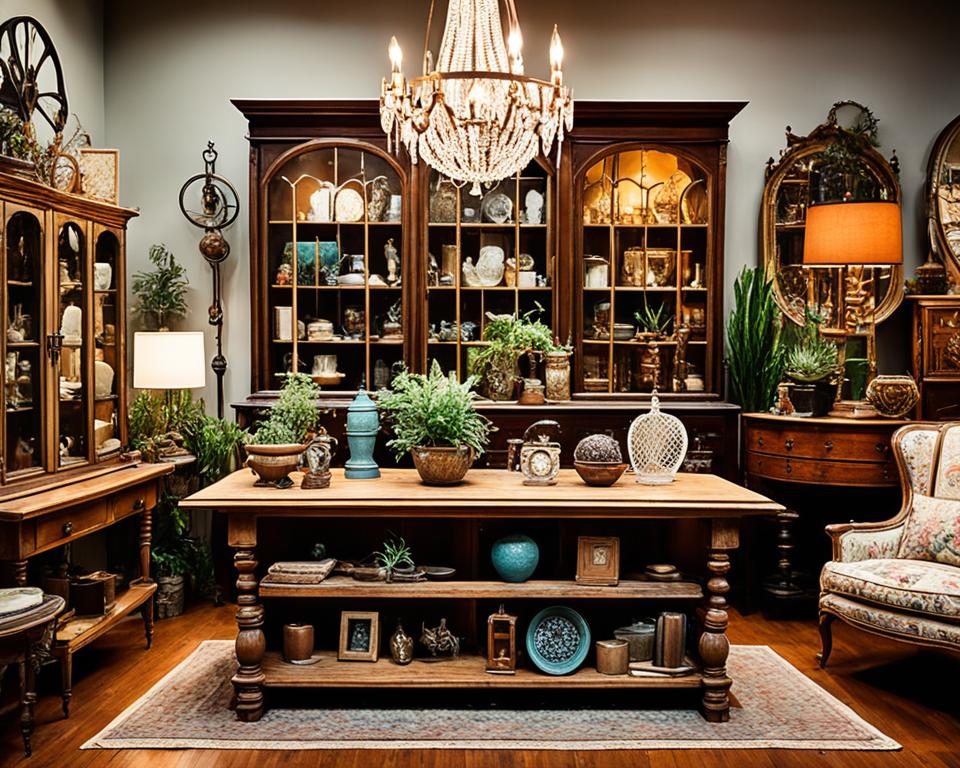
Fun fact: The world's most expensive piece of furniture, a commode made by Bernard Van Rysselberghe, sold at Sotheby's for a cool $36.7 million in 2015.
Repurpose, Reuse, Recycle
Before you part ways with your antiques, consider if they could find new life in your home. A fresh coat of paint, new hardware, or a change of scenery can breathe new life into old pieces. If you're not feeling crafty, there are plenty of upcycling services that can give your furniture a modern makeover.
Reflecting on the Past, Embracing the Future
Selling antique furniture is more than just decluttering your home - it's a chance to pass on a piece of history. Whether your grandma's chair ends up in a hipster's apartment or a design museum, it's finding a new purpose, a new story to tell. So, go ahead, give your antiques a new lease on life. After all, as the French say, chaise à part, every piece has its place.