
Yoshitomo Nara Most Famous Works
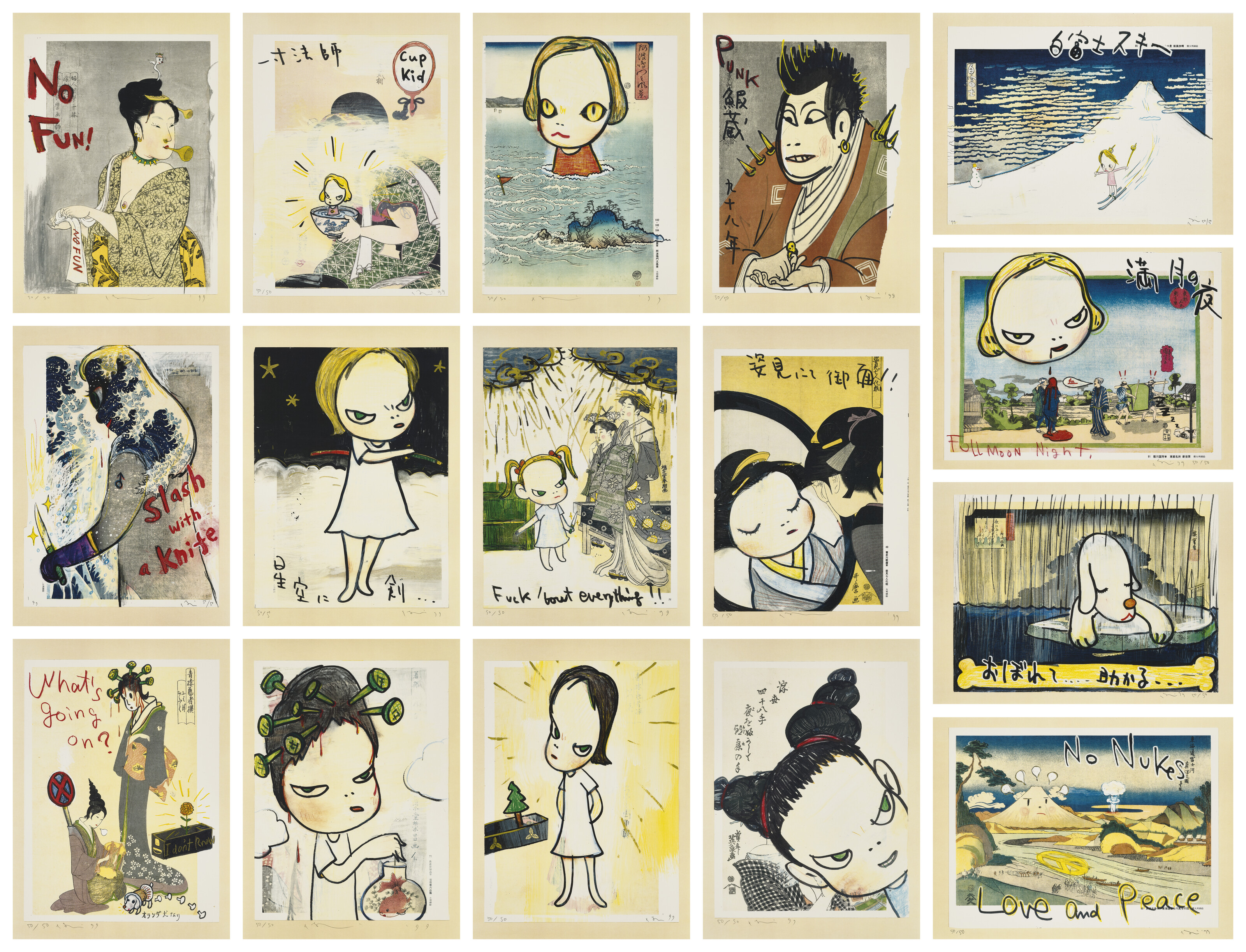
Yoshitomo Nara: The Man Behind the Iconic Dog
Ever found yourself captivated by a pair of wide, innocent eyes peering back at you from a canvas? Chances are, you've crossed paths with the work of Yoshitomo Nara, the Japanese contemporary artist who's made a name for himself with his whimsical, often haunting, always captivating paintings and sculptures. Let's dive into the world of Nara and explore some of his most famous works.
Meet Yoshitomo Nara
Born in 1959 in Aomori, Japan, Nara is a self-proclaimed "bad boy" of the art world. He's known for his rebellious streak, both in his art and his personal life. After studying at the Aichi Prefectural University of Fine Arts and Music, Nara moved to Germany in the late 1980s, where he was heavily influenced by the punk and hardcore music scenes. This blend of Japanese tradition and Western counterculture is evident in his work.
Nara's Iconic Dog
Nara's most recognizable subject matter is undoubtedly his dog. This isn't your average, tail-wagging pooch, though. Nara's dog is often depicted with a mischievous grin, wide, staring eyes, and a tongue that's either lolling out or stuck out in a playful gesture. It's a stark contrast to the traditional, serene images of dogs in Japanese art.
Must Read
Fun fact: Nara's dog has been spotted on everything from t-shirts to mugs to even a life-sized sculpture in front of the Neues Museum in Berlin. It's become a symbol of Nara's art and a pop culture icon in its own right.
Other Notable Works
Sleeping Girl (1994)
This painting is a great example of Nara's ability to capture the essence of youth. The girl, with her closed eyes and peaceful expression, seems to embody the innocence and vulnerability of childhood. Yet, there's a hint of something more sinister in her slightly parted lips and the dark, abstract shapes in the background.
My Dear Melancholy (1997)
This series of paintings features children with tears streaming down their faces. It's a stark contrast to the usually cheerful, carefree images of children in popular culture. Nara's use of bright colors and bold outlines only serves to heighten the tension between the children's emotional state and their physical appearance.

Tip: If you're an art lover, try incorporating some of Nara's themes into your own life. Maybe it's time to add a splash of color to your home decor, or perhaps you could start a journal to explore your own emotions, just like Nara does in his work.
Violin (2004)
This sculpture is a prime example of Nara's ability to blend the traditional with the contemporary. The violin, a symbol of classical music and refinement, is depicted in a bold, graphic style, with its strings forming a stark, black cross against the white background. It's a powerful statement about the intersection of art and culture.
Nara's Influence
Nara's work has had a significant impact on popular culture. His iconic dog has been referenced in everything from music videos to street art. His influence can even be seen in the work of other artists, like KAWS, who's known for his own take on the mischievous, wide-eyed character.

Cultural reference: If you're a fan of the anime series "Death Note," you might recognize Nara's influence in the character design. The wide, staring eyes and mischievous grin of the show's protagonist, Light Yagami, bear a striking resemblance to Nara's dog.
Reflecting on Nara's Work
Nara's work is a reminder that there's beauty and complexity in the seemingly simple and innocent. Whether it's a child's tear or a dog's grin, Nara finds the extraordinary in the ordinary. So, the next time you see a child laughing or a dog playing, take a moment to appreciate the art in everyday life. After all, as Nara once said, "Art is the only way to run away from the real world."
And that, dear reader, is the beauty of Yoshitomo Nara's work. It's a reminder to find joy and wonder in the world around us, even in the most unexpected places.