
How Was The Renaissance Influenced By Classical And Medieval Art

Art Through the Ages: How the Renaissance Took a Bow from Classical and Medieval Masters
Imagine you're at an art gallery, strolling past paintings that span centuries. You're admiring a Botticelli, a da Vinci, a Michelangelo - all Renaissance masters. But have you ever wondered what inspired these geniuses? The answer lies in the art that came before them: the classical and medieval periods.
Classical Inspiration: A Trip Down Ancient Lane
The Renaissance, which bloomed in Europe from the 14th to the 17th century, was a cultural rebirth that drew heavily from the classical era. Think Ancient Greece and Rome, where art was as much about storytelling as it was about aesthetics.
Renaissance artists, like Leonardo da Vinci, were fascinated by the classical emphasis on human anatomy and perspective. They studied ancient texts and even scavenged Roman ruins for inspiration. Da Vinci's "Vitruvian Man," for instance, is a nod to the Roman architect Vitruvius' theories on human proportions.
But it wasn't just about learning from the past; it was also about competing with it. The Renaissance was a time of great wealth and power, and patrons wanted art that would outshine the ancient world. Hence, the birth of the grand, the dramatic, and the larger-than-life.
Medieval Muses: The Middle Ages Had Their Moments Too
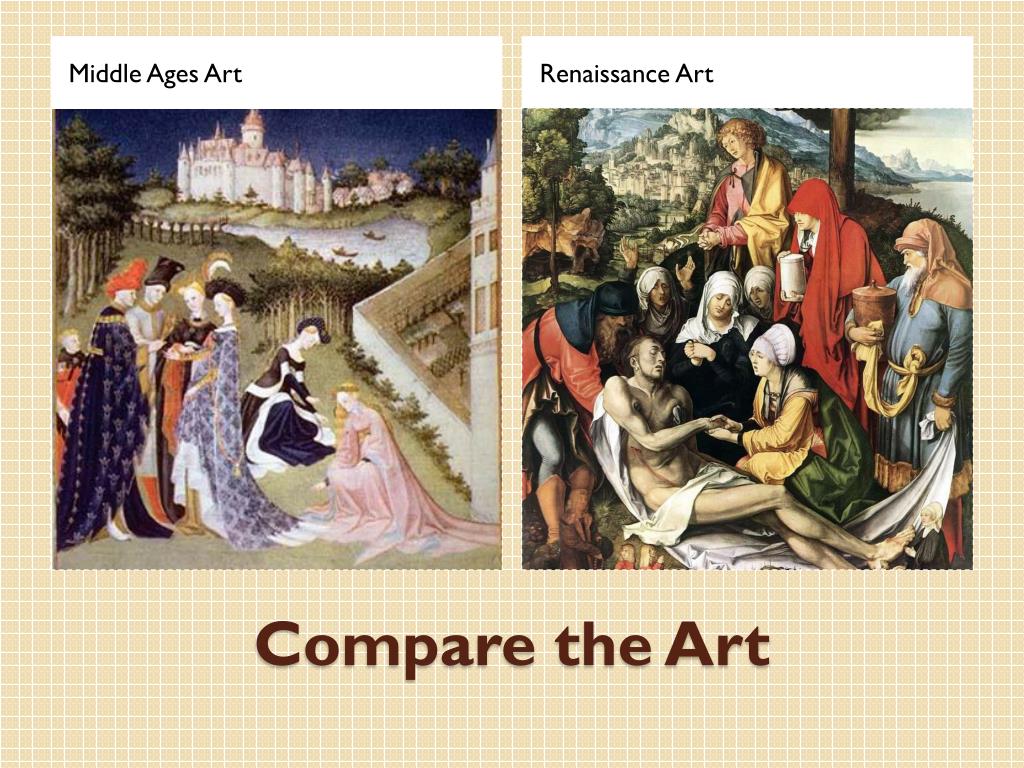
While the Renaissance looked back to classical times, it also built upon the medieval period. After all, the Middle Ages were when Gothic architecture and religious art flourished. Think soaring cathedrals and intricate manuscripts.

Renaissance artists took these elements and gave them a makeover. They retained the Gothic love for detail but introduced classical realism. Take Sandro Botticelli's "The Birth of Venus." It's a classical subject, but the style - with its delicate lines and vibrant colors - is distinctly Renaissance.
Moreover, the Renaissance saw a shift from religious to secular themes. This was partly due to the influence of medieval chivalry and courtly love. Suddenly, artists were painting mythological scenes and portraits of wealthy patrons, not just religious figures.
Practical Tips: Channeling the Past in Your Daily Life
So, how can you incorporate these influences into your life today? Here are some tips:
- Embrace Storytelling: Like the classical and medieval periods, don't shy away from telling a story through your art or design. It could be a painting, a tattoo, or even a room's decor.
- Study the Masters: Visit museums, read art history books, or take online courses. Understanding the past can inspire your present.
- Mix and Match: Don't be afraid to blend different styles. The Renaissance was all about combining classical and medieval elements.
Reflection: Art Through the Ages, Life Through the Lens
As you go about your day, remember that every era has influenced the next. From the classical world to the Middle Ages, and finally to the Renaissance, art has evolved but never truly started from scratch. It's the same with life. Each day is a new chapter, but it's built upon the days that came before.
So, take a moment to appreciate the art around you - whether it's a masterpiece in a gallery or a simple sketch on your fridge. It's a testament to our shared human history, a story that's still being written.