
A Thousand Years By Damien Hirst

Damien Hirst's "A Thousand Years": Art, Life, and Butterflies
Ever wondered what happens when you mix art, science, and a whole lot of butterflies? Welcome to the world of Damien Hirst's "A Thousand Years". This isn't your average painting or sculpture; it's a living, breathing installation that's as fascinating as it is thought-provoking.
Now, you might be thinking, "Butterflies? Isn't that a bit... delicate for Hirst?" Well, yes and no. While Hirst is known for his bold, sometimes controversial work, like the infamous shark in formaldehyde, "A Thousand Years" is a testament to his ability to find beauty and meaning in the most unexpected places.
So, what's the deal with "A Thousand Years"?
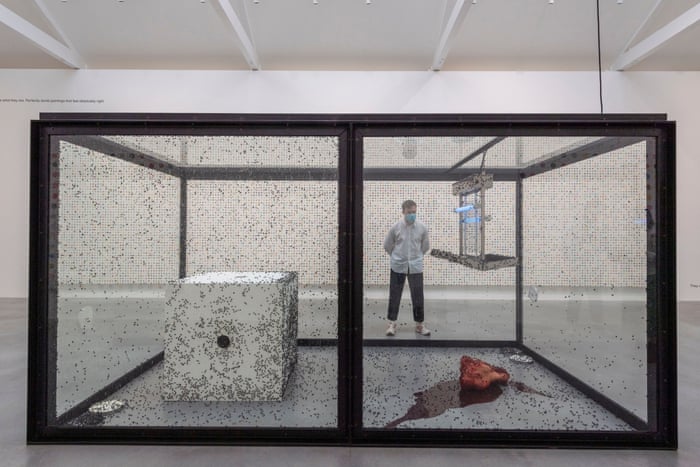
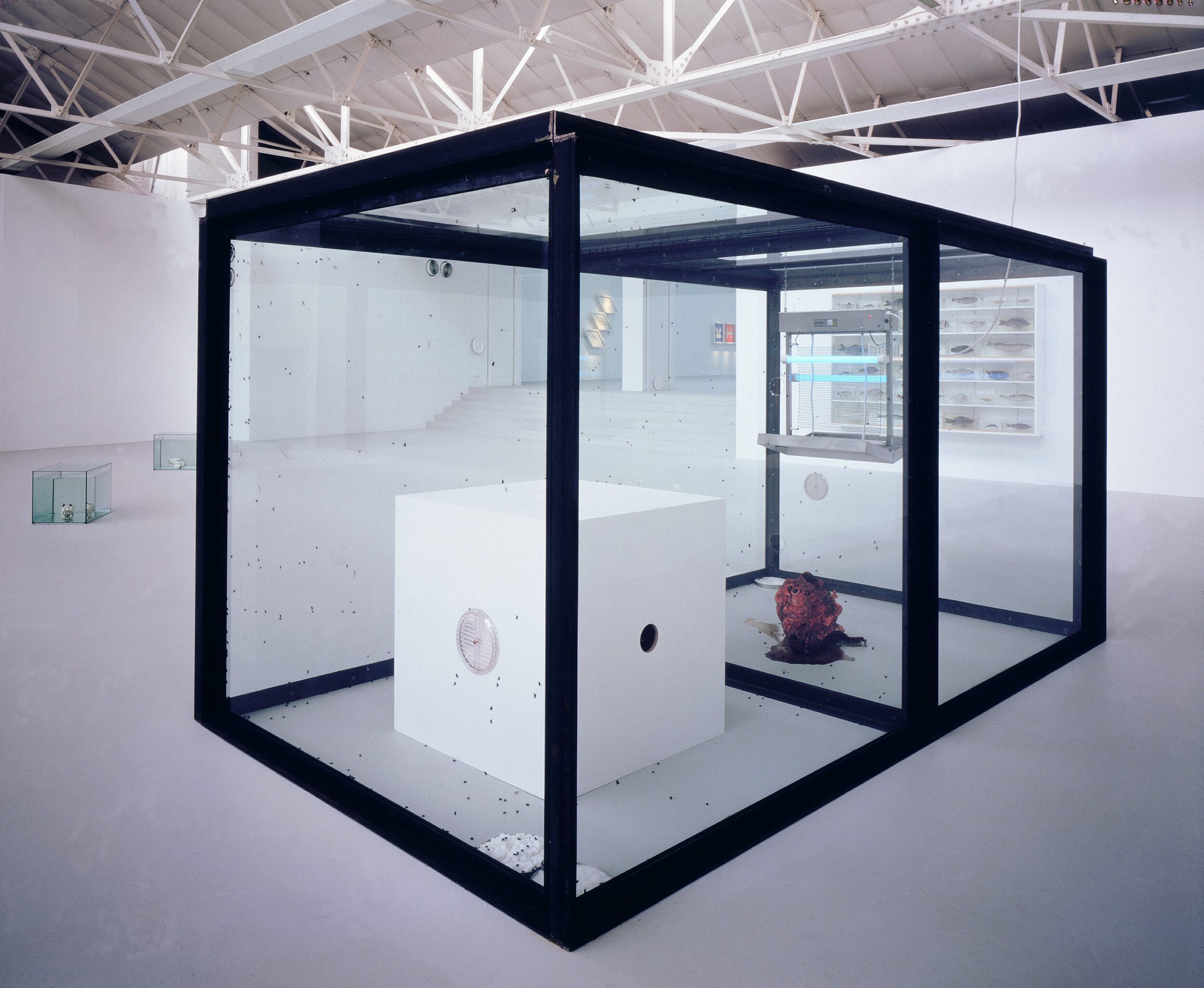
"A Thousand Years" is a glass and steel vitrine - that's art speak for a big, fancy box - filled with live maggots, flies, and butterflies. It's a cycle of life and death, played out in real time, right before your eyes. The maggots hatch from eggs, feed on a cow's head (yes, you read that right), and eventually transform into flies. The flies then fly around the vitrine, only to be caught in a web spun by the butterflies, who later emerge from the flies' carcasses.
Must Read
It's a bit gruesome, sure, but it's also a stunning display of nature's resilience and the interconnectedness of life. It's like a mini ecosystem, all contained within a single artwork. And the best part? It's constantly changing. Each time you look at it, it's a different scene.
But why butterflies?
Butterflies are a bit of a symbol for Hirst. They represent the fragility and beauty of life, and their short lifespan is a reminder of our own mortality. Plus, they're just plain gorgeous. Hirst once said, "I love the way they fly, the way they move, the way they look." And who can blame him?
Practical tips for appreciating "A Thousand Years"
If you're lucky enough to see "A Thousand Years" in person (it's been exhibited all over the world), here are a few tips to make the most of your experience:
- Give it time. This isn't a piece you can appreciate in a quick glance. Sit, watch, and wait. You never know what you might see.
- Look for the patterns. The way the flies buzz around, the way the butterflies flutter, the way the maggots squirm - it's all part of the dance of life.
- Think about your own place in the cycle. "A Thousand Years" is a powerful reminder of our own mortality. Use that to reflect on your own life and what you value most.
Fun facts and cultural references
Did you know that "A Thousand Years" is part of Hirst's "Natural History" series? It's a collection of works that explore the relationship between art and science, and our place in the natural world. Other pieces in the series include a shark in formaldehyde (aptly titled "The Physical Impossibility of Death in the Mind of Someone Living") and a pile of pills arranged to look like a human skull ("Medicine Cabinets").
And if you're a fan of pop culture, you might recognize "A Thousand Years" from the TV show "Breaking Bad". In one episode, the character Jesse Pinkman is captivated by a similar installation, which he sees as a metaphor for his own life. It's a powerful moment that underscores the emotional resonance of Hirst's work.
Reflections on "A Thousand Years" and daily life
So, what does all this have to do with our daily lives? Well, "A Thousand Years" is a reminder that life is precious, fleeting, and full of beauty - even in the most unexpected places. It's a call to appreciate the small things, to find joy in the mundane, and to remember that we're all part of something bigger.
Next time you see a butterfly flutter by, take a moment to appreciate its beauty. It's a little reminder of the magic and wonder that's all around us, if only we take the time to look.