
Famous Paintings By Gustav Klimt
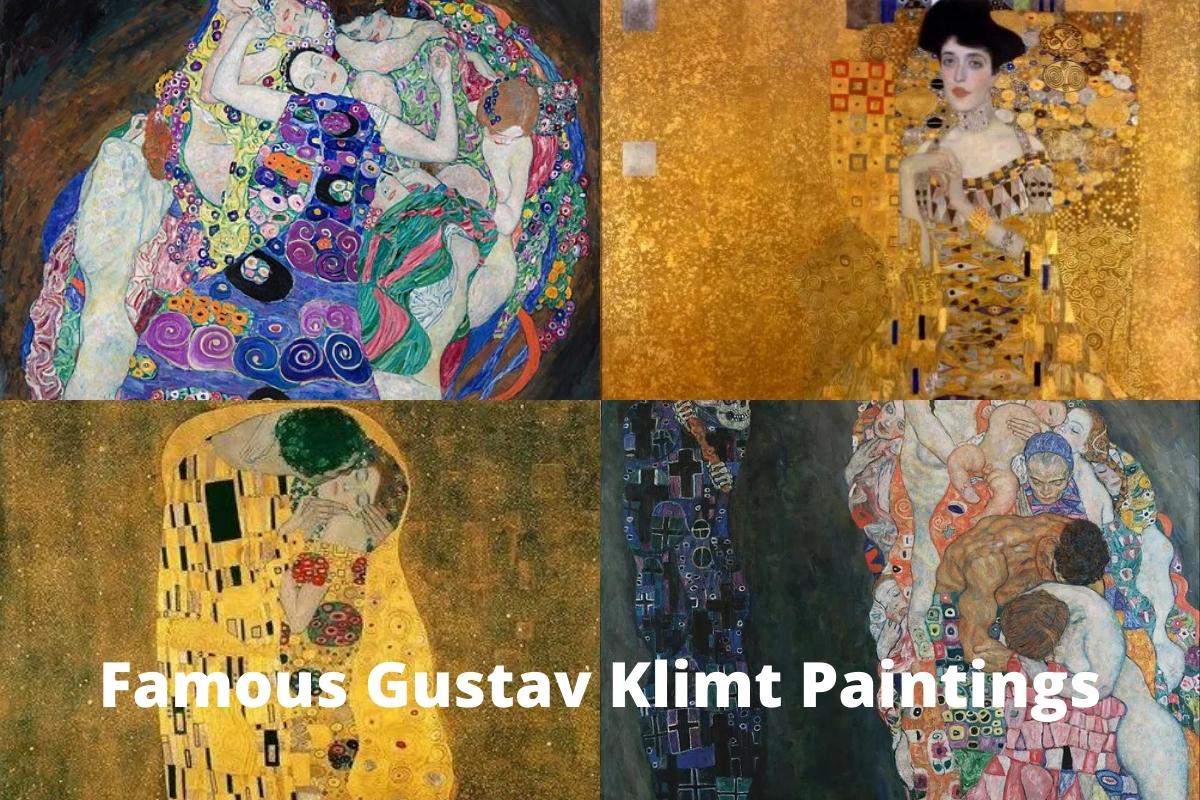
Klimt's Canvas: A Brush with the Golden Age
Ever admired a painting and felt like you could just dive right in? That's the magic of Gustav Klimt. This Austrian symbolist painter was all about the gold, the mystique, and the sheer beauty of the human form. Let's take a whirlwind tour through some of his most famous works, shall we?
The Kiss: Love in Gold
Klimt's most famous piece, The Kiss, is a golden embrace that's been inspiring love stories since 1908. It's like Klimt took a page from the ancient Greeks, who believed in 'Eros,' the love that binds the universe. The couple is wrapped in a swirling, golden cloak, their bodies intertwined in a dance that's both intimate and ethereal. It's a reminder to hold onto those moments of pure connection, even in the midst of daily chaos.
Fun fact: Klimt was 45 when he painted this masterpiece, and the woman in the painting is believed to be his muse and lover, Emilie Flöge. Talk about a late-blooming love story!
Must Read
The Lady in Gold: A Mystery Unveiled
Meet Woman in Gold, also known as Portrait of Adele Bloch-Bauer I. This painting is a real-life mystery novel. Adele was a wealthy socialite, and Klimt painted her not once, but twice. The first portrait was stolen by the Nazis during World War II and only resurfaced in 2006. The second portrait, however, was hidden away in a castle and remained unknown until 1999. It's like Klimt was playing a game of hide and seek with history.
Practical tip: If you're in Vienna, make sure to visit the Belvedere Palace, where both portraits now reside. It's like visiting old friends, or at least, old art friends.

Judith and the Head of Holofernes: A Tale of Courage
Now, let's talk about Judith and the Head of Holofernes. This one's a bit of a thriller. Judith, a beautiful widow, saves her people from an invading army by seducing the enemy general, Holofernes, and then decapitating him. Klimt's interpretation is a far cry from the gory biblical tale. Instead, it's a celebration of female courage and strength, with Judith standing tall and proud, holding Holofernes' head like a trophy.
Cultural reference: This painting is a great example of Klimt's symbolist style, which was all about using symbols to convey complex ideas. It's like he was painting poetry, not just pictures.

Tree of Life: Nature's Embrace
Lastly, let's not forget Tree of Life. This painting is like a walk in the woods, with its lush greens and warm golds. Klimt was inspired by nature, and this piece is a testament to that. It's a reminder to slow down, take a breath, and appreciate the beauty around us, even in the concrete jungle.
Fun fact: Klimt was also a bit of a rebel. He co-founded the Vienna Secession, a group of artists who rejected traditional academic painting and embraced modernism. Talk about a trailblazer!
Klimt in Our Daily Lives
So, what can we take away from Klimt's golden world? Maybe it's the reminder to embrace the beauty in our lives, to hold onto love and courage, and to appreciate the simple things, like a walk in the park. Or maybe it's just an excuse to wear a little more gold in our everyday outfits. Either way, Klimt's legacy lives on, one golden painting at a time.