
Henry Moore Family Group Sculpture
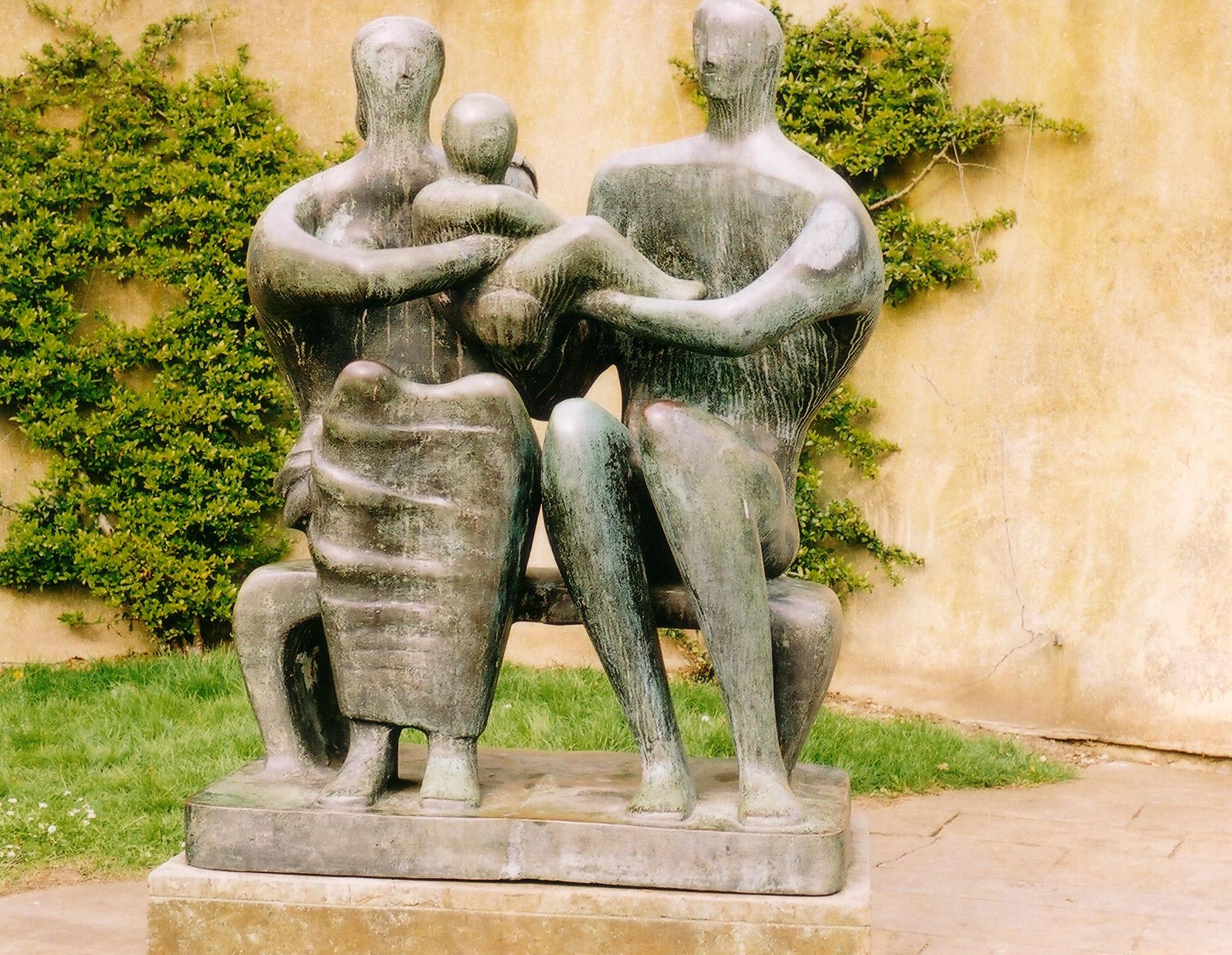
Meet the Moore-ing Family: A Chat with Henry Moore's "Family Group"
Ever walked by a sculpture and felt like it's giving you the warm fuzzies? That's probably because it's a Henry Moore. This guy was an English sculptor who loved creating art that made you feel all cozy and comfortable. Today, let's hang out with one of his masterpieces, the "Family Group". Grab a coffee, get comfy, and let's dive in.
Who's the artist behind the magic?
Henry Moore, born in 1898, was a sculptor who loved to play around with shapes and forms. He was like the Picasso of sculpture, you know? Always experimenting, always innovating. Moore was a big fan of the human figure, especially when it came to families and mother-and-child pairs. He believed that art should be for everyone, not just stuck up in museums. So, he created sculptures that were approachable and relatable.
So, who's in the "Family Group"?
Imagine you're at a family picnic. There's a mom, a dad, and two kids all sitting together, looking happy and content. That's the "Family Group"! Moore created this bronze beauty in 1949, and it's been making people smile ever since. The mom and dad are sitting back-to-back, supporting each other. The kids are snuggled up close, one on each side. It's like a real-life, 3D family portrait.
Must Read
But why is it so darn appealing? Well, Moore had a trick up his sleeve. He made the figures abstract, meaning they're not super realistic. They're more like simplified, exaggerated versions of a family. This makes them easy to relate to, no matter who you are or where you're from. It's like Moore spoke the universal language of family love.
Why does it make us feel all warm and fuzzy?
Moore was a master at creating sculptures that make you want to reach out and touch them. The "Family Group" is no exception. The figures are all curved and rounded, making them look soft and inviting. It's like they're saying, "Come on over, join the family!" Plus, Moore made them large enough that you can walk right up and be part of the scene. It's like he wanted to give everyone a big, warm hug.

Moore also played around with something called negative space. That's just a fancy way of saying the empty space around the figures. In this case, the negative space is just as important as the positive space (that's the actual figures). It makes the sculpture feel more dynamic, like it's moving and breathing. It's like Moore gave his family a pulse, making them feel even more alive.
Where can you find this family?
You can find the "Family Group" in the Tate Modern in London. But don't worry if you can't make it there. Moore's sculptures are all over the place, from museums to public parks. Some of them are even in unexpected places, like airports and hospitals. Moore really wanted his art to be accessible to everyone, so he made sure it was out there in the world, waiting to be discovered.

So, the next time you're out and about, keep an eye out for a Henry Moore sculpture. You might just stumble upon the "Family Group" or one of his other amazing works. And who knows? You might even feel a little warmer, a little fuzzier, just from being near them.
Until next time, happy art hunting!