
How To Get Antiques Appraised
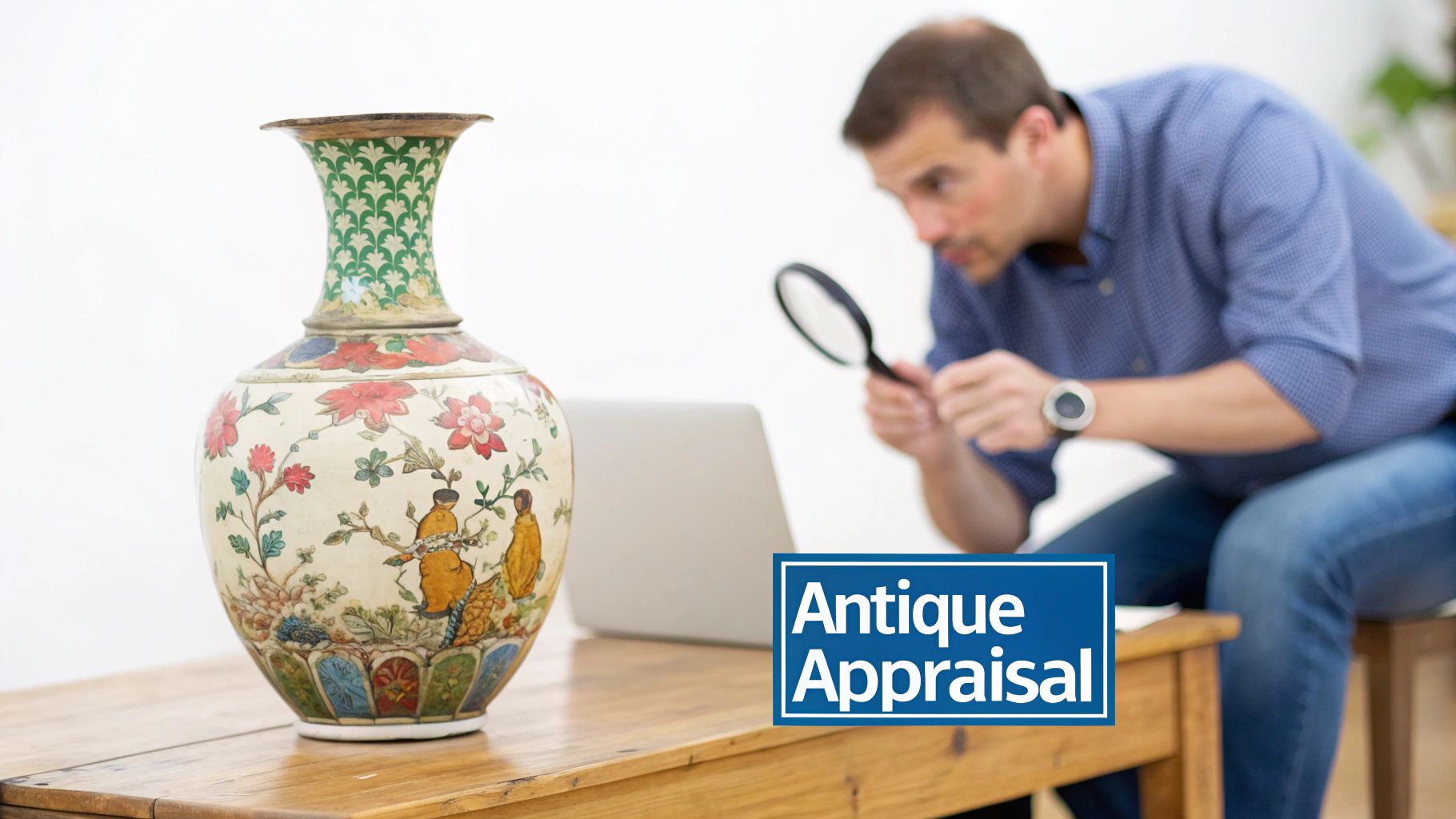
So, you've got this old thing gathering dust in your attic, and you're wondering, "Could this be a hidden treasure?" You're not alone, friend. Antique appraisal is like a modern-day treasure hunt, and it's easier than you think. Let's dive in!
Why Bother?
Imagine you're at a garage sale, and you spot a painting that looks kinda familiar. You think, "Is this a real Picasso?" Getting your antiques appraised is like that, but with more history and less guesswork. It's like unraveling a mystery, and who doesn't love a good mystery?
Plus, knowledge is power. Knowing the value of your antiques can help you make informed decisions. Maybe you'll decide to keep that vintage vase because it's priceless to you, or maybe you'll decide to sell your grandpa's old watch to fund your next adventure. Either way, knowing is cool.
Where to Start?
First things first, you need to find an appraiser. Think of them as the Indiana Jones of the antique world. They're experts who can tell you if your grandma's old clock is a ticking time bomb of value or just a, well, clock.
You've got a few options here. There are professional appraisers who work independently, or you could check out local antique shops. Some even offer free appraisal services to attract customers. It's like a free sample at the grocery store, but instead of cheese, you're sampling history!
If you're feeling tech-savvy, there are online appraisal platforms too. It's like having an appraiser in your pocket, ready to weigh in on your latest thrift store find. Just snap a pic, upload it, and voila! You're one step closer to knowing if that '50s diner sign is worth a million bucks or just a cool conversation piece.
What's the Process?
Now, you're probably wondering, "What's this appraisal process like?" Well, it's not like the movies where the appraiser takes one look and declares, "It's a forgery!" No, it's more like a friendly chat with a history buff.

The appraiser will want to know the story behind your antique. Where did it come from? How old is it? What's its history? It's like they're trying to write a novel, and your antique is the main character. The more details you can provide, the better they can tell the story.
Next, they'll inspect your antique. This is where the real magic happens. They'll look for marks, examine the materials, and check for any signs of damage. It's like a doctor's check-up, but instead of checking your heart, they're checking your antique's 'heart' - its authenticity.
Finally, they'll give you their expert opinion. This is where you find out if your antique is worth its weight in gold or just a fun piece of history. They'll usually provide a written report too, so you've got it all in black and white. It's like getting a report card for your antique!
What's It Worth?
Now, you're probably dying to know, "What's my antique worth?" Well, that depends. Appraisers don't just look at the antique itself; they consider the market too. It's like trying to sell your old car. It's worth more if there's a high demand for that make and model, right?

So, an antique's value can fluctuate over time. That old painting you have might be worth a fortune today, but who knows what it'll be worth in 50 years? It's like the stock market, but with history instead of money.
But don't worry, appraisers will give you a fair estimate based on current market conditions. They might even suggest ways to increase its value, like getting it restored or finding more information about its history. It's like investing in your antique's future!
The Moral of the Story
So, there you have it. Getting your antiques appraised is like a fun history lesson with a side of treasure hunting. It's a chance to learn more about your antique's past and maybe even discover a hidden gem.
But remember, the value of an antique isn't just about money. It's about the story it tells, the memories it holds, and the history it represents. So, go ahead, dust off that old thing, and start your adventure. Who knows what you'll find?