
How To Identify A Lithograph
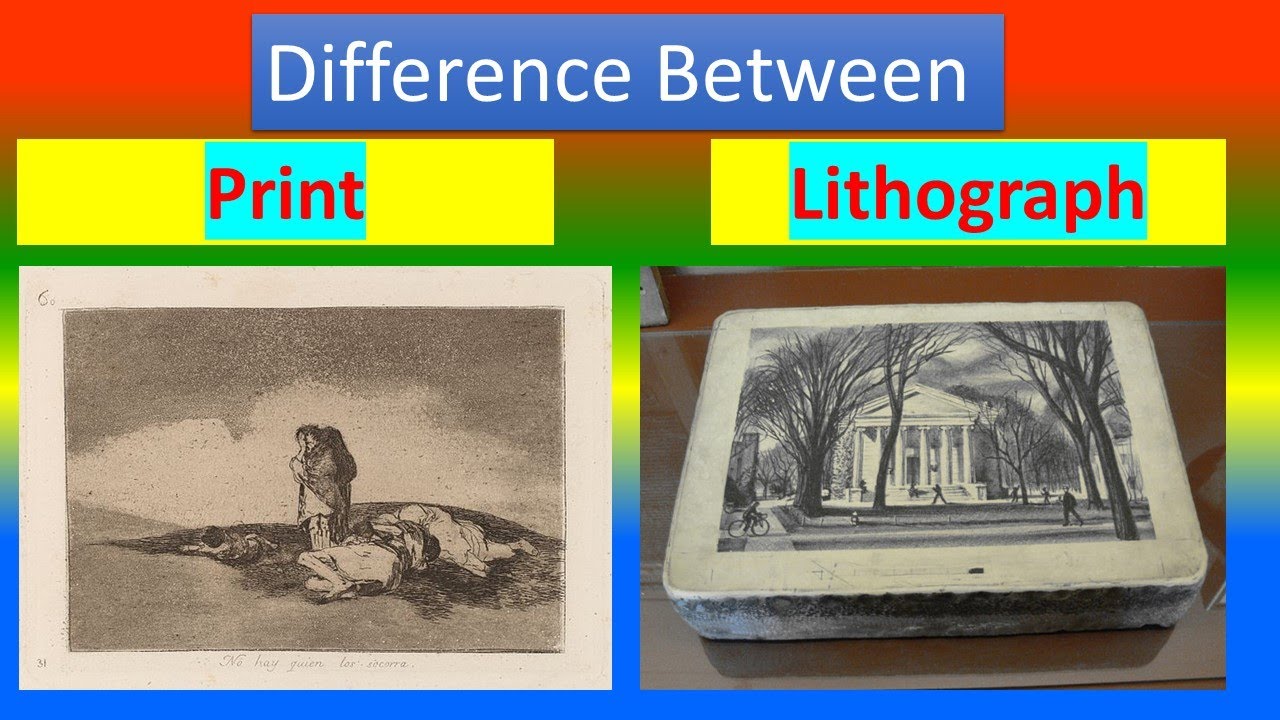
Ever found yourself in an art gallery, gazing at a print that's got you wondering, "Is this the real deal or just a copy?" You're not alone. Today, we're diving into the world of lithographs, those elegant prints that have been charming art enthusiasts since the late 1700s. So, grab your magnifying glass and let's get started!
What's a Lithograph, Anyway?
A lithograph, or 'litho' to its friends, is a print made from a flat stone or metal plate. The process, known as lithography, was invented by a German author and actor named Alois Senefelder. Talk about a Renaissance man, right? He was struggling to pay his bills when he stumbled upon this printing method, which was a game-changer for the art world.
Unlike other printing techniques, lithography allows artists to create detailed, nuanced images with a wide range of tones. It's like giving a painter a whole new palette to play with. And the best part? It's still used today, making it one of the oldest and most enduring printing techniques.
Spotting a Lithograph: The Tell-Tale Signs
Now, let's get down to business. How can you tell if that print you're admiring is a lithograph? Here are some tips to help you become a litho detective.
Check the Paper
Lithographs are typically printed on high-quality, textured paper. This is because the ink used in lithography is water-based, and it needs a porous surface to adhere to. So, if you're looking at a print on smooth, glossy paper, it's probably not a lithograph. Think of it like trying to write on a shiny surface - the ink just won't behave!
Feel the Edges
Another giveaway is the edges of the paper. Lithographs often have deckle edges, which means the paper has been torn, not cut. This gives the print a rustic, handmade feel. It's like finding a hidden treasure map - the rough edges add to the charm!

Look for the 'Eau de Litho'
Yes, you read that right. Lithographs have a distinctive smell, thanks to the water-based inks and the acid-free paper used. It's a subtle, slightly sweet scent that's unique to lithos. So, don't be afraid to get up close and personal with that print - just don't lick it, okay?
Inspect the Image
Under a magnifying glass, you should be able to see tiny imperfections in the image. This is because lithography involves drawing on a stone or metal plate with a greasy substance, which repels the water used in the printing process. These greasy lines create unique textures that are almost impossible to replicate with other printing methods.
Fun Fact: The Mona Lisa's Litho Cousin
Did you know that the Mona Lisa has a lithograph cousin? Leonardo da Vinci's masterpiece was one of the first images to be reproduced using lithography. The first lithograph of the Mona Lisa was created in 1837, over a century after da Vinci painted the original. Talk about a long-awaited family reunion!
Lithographs in Daily Life
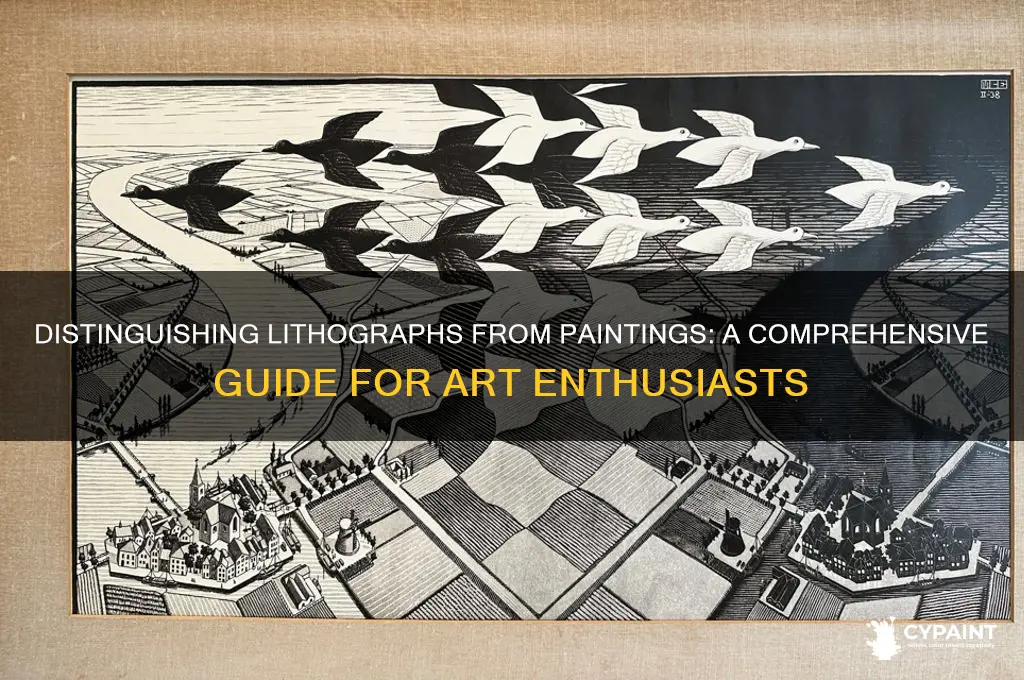
Now, you might be thinking, "That's all well and good, but how does this apply to my daily life?" Well, lithographs are everywhere! They're used in everything from concert posters to fine art prints. And the best part? You can create your own lithographs at home with just a few supplies.
So, the next time you're at a concert, pick up a poster. When you're at the art gallery, ask about the prints. And who knows, maybe you'll even give lithography a try yourself. After all, everyone's a Renaissance man (or woman) at heart, right?
Until next time, happy litho hunting!