
How To Light Artwork On A Wall
Hey there, art enthusiast! Ever found yourself admiring a painting or a print, only to realize it's hiding in the shadows of your wall? It's like having a secret admirer, but you can't see them properly because it's too dark. Not cool, right? Well, fear not! Today, we're going to shed some light on this situation - literally.
Why Lighting Matters
You might think, "It's just a picture, it'll be fine without lights." But hold up! Lighting can transform your artwork from a mere wall decoration into a captivating masterpiece. It's like adding a dramatic soundtrack to a silent movie - suddenly, it's got depth, emotion, and wow factor.
Plus, proper lighting can protect your artwork from sun damage and make it easier on the eyes. No more squinting or straining your neck to get a good look. It's a win-win, folks!
Must Read
Types of Lighting: The Who's Who
Now, let's meet the stars of our show - the different types of lighting. Each has its own unique personality, so choose wisely based on your artwork's needs.
Directional Lighting: The Spotlight Stealer
This guy is all about drawing attention to one specific area. He's perfect for highlighting a particular detail in your artwork or creating a dramatic effect. Just be careful not to overdo it - we don't want our artwork looking like a one-hit wonder at a concert.
Ambient Lighting: The Wallflower
This lighting type is all about creating a soft, even glow. It's not flashy, but it's reliable and makes everyone feel welcome. Think of it as the host of the party - they might not be the life of the party, but without them, there'd be no party at all.
Task Lighting: The Workhorse
This one's all about functionality. It's designed to help you see your artwork clearly, without any harsh shadows or glares. It's like having a personal assistant, always there to help you get the job done.
Setting the Mood: Color Temperature
You know how some lights make you feel cozy and warm, while others make you feel alert and energized? That's color temperature for you! It's measured in Kelvin (K), and it can completely change the vibe of your artwork.
For a warm, inviting glow, go for lights around 2700K - 3000K. For a cool, bright light that's great for task lighting, consider lights around 5000K - 6500K. It's like choosing between a sunset and a clear blue sky - both have their charm!

Hanging in There: Positioning Your Lights
So, you've chosen your lighting type and color temperature. Now it's time to decide where to put your lights. Here are a few tips:
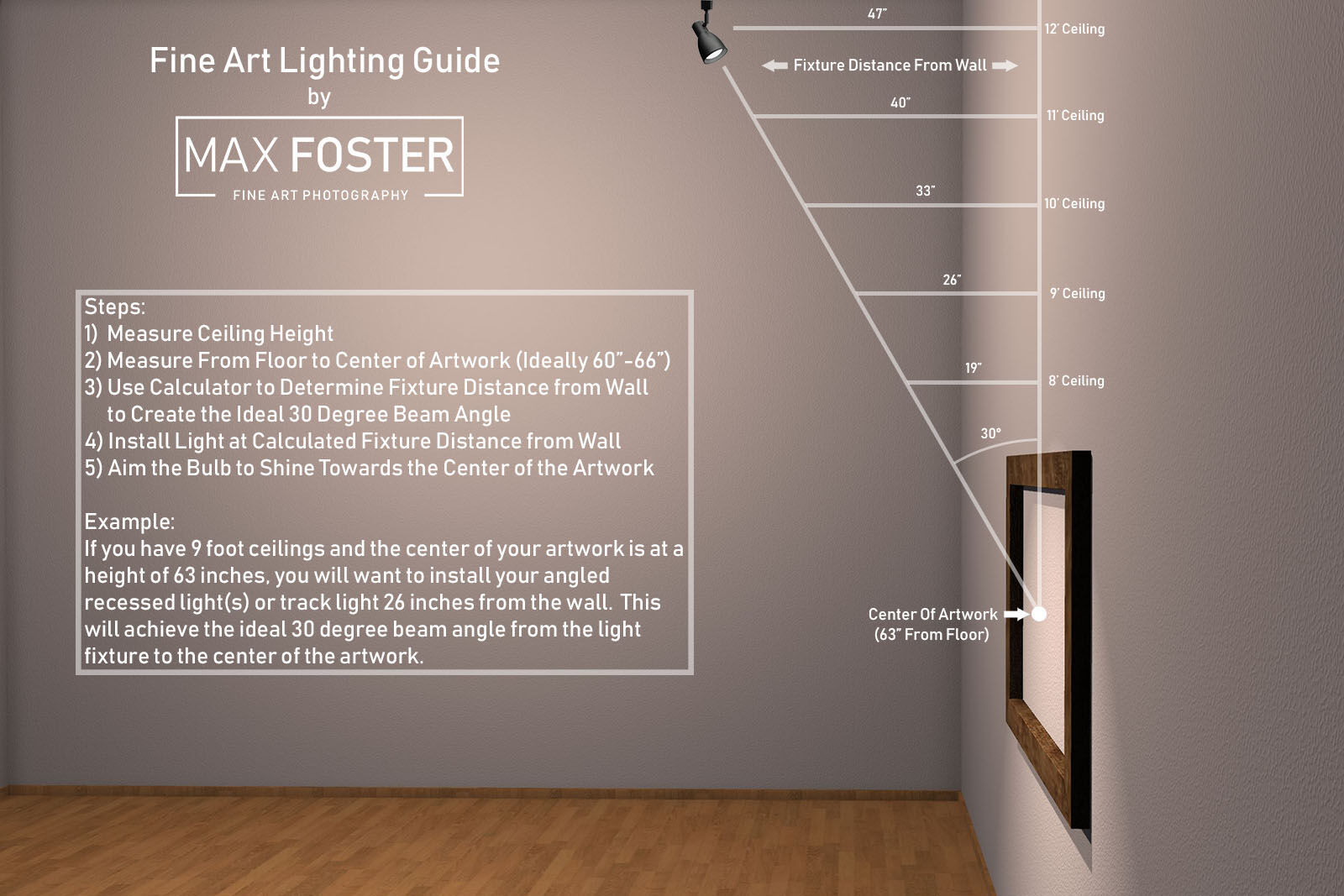
- Position lights at a 30-degree angle to your artwork to minimize glare.
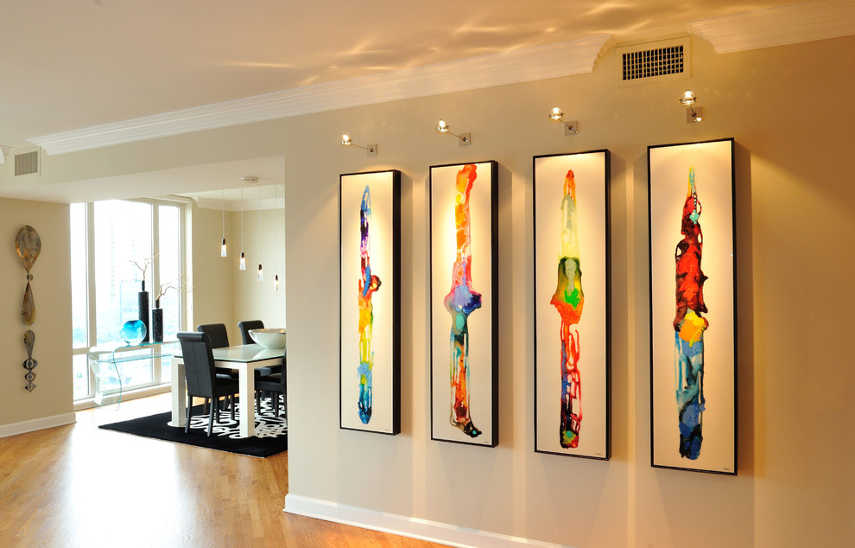
- For directional lighting, aim for the top or bottom of the artwork to create a dramatic effect.
- Consider using multiple lights to create a layered lighting effect.
Remember, there's no one-size-fits-all solution. It's all about trial and error, so don't be afraid to move your lights around until you find the perfect spot.
Let There Be Light!
And there you have it! With these tips, you're ready to turn your artwork into a showstopper. So, go ahead, grab those lights, and let there be light - on your walls, that is!
Now, go forth and illuminate! Your artwork deserves it, and so do you. Happy lighting!