
How To Tell A Lithograph From A Print
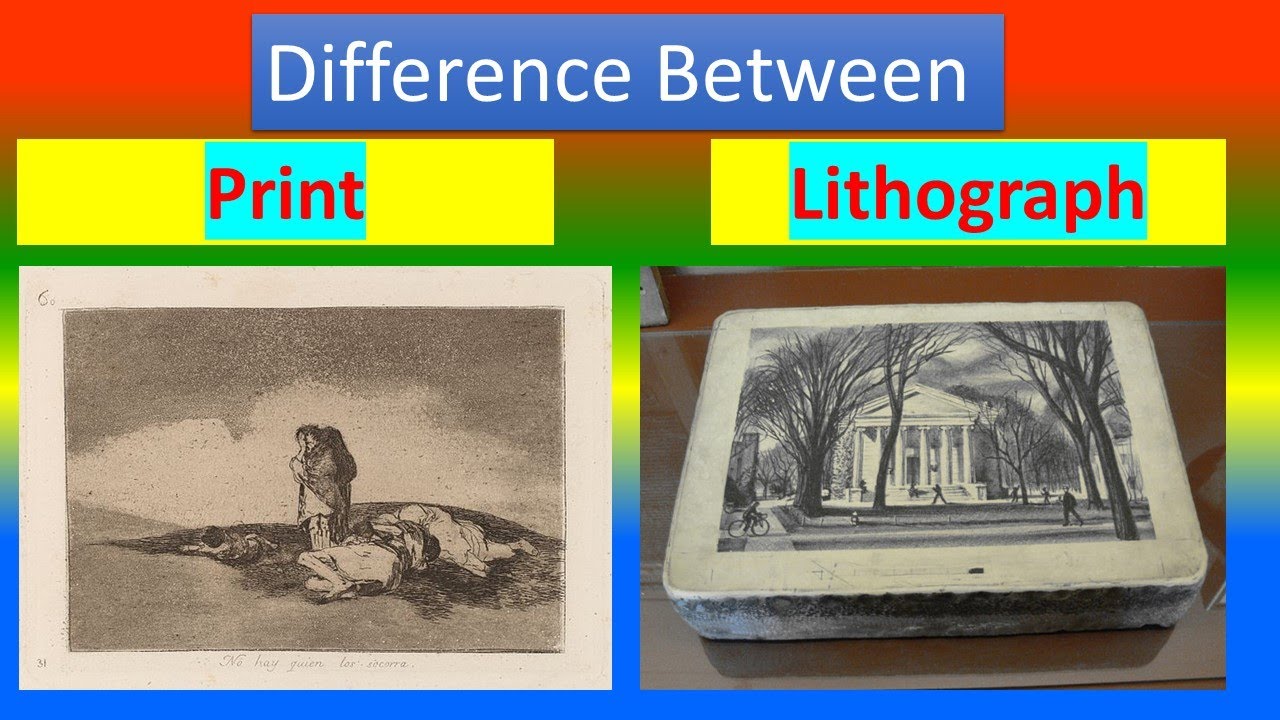
Hey there, art enthusiast! Ever found yourself in an art gallery, squinting at a piece, and wondering, "Now, is this a lithograph or just a regular print?" Well, you're not alone! Let's dive into the world of art and figure this out together, yeah?
First Things First: What's the Difference?
Alright, so let's start with the basics. Both lithographs and prints are forms of art reproduction, but they're made in different ways. Imagine you're in a kitchen - a print is like a cake made from a box mix, while a lithograph is like a cake made from scratch, with love and care (and maybe a little bit of magic).
Prints are made using various techniques, like etching, woodcut, or screen printing. They're often made in large quantities, like posters or t-shirts. Lithographs, on the other hand, are a specific type of print made using a process called lithography. It's like they're part of an exclusive club - they're still prints, but they have their own special way of being made.
Must Read
Meet the Lithograph: The Rockstar of the Print World
So, what makes a lithograph so special? Well, my friend, it's all about the process. Lithography was invented by a guy named Alois Senefelder in the late 18th century. He was trying to find a way to print texts on posters cheaply, but ended up creating a whole new art form. Talk about a happy accident!
Here's how it works: An artist draws on a special stone (or sometimes a metal plate) using a greasy pencil. The stone is then treated with chemicals that react with the grease, creating a surface that ink sticks to in the drawn areas. When paper is pressed onto the stone, it picks up the ink, creating a print. It's like magic, right?
But here's the thing - each print is made by running the paper through a press multiple times, one color at a time. This means that lithographs are usually made in small editions, and each one is hand-inked and printed. That's why they're often signed and numbered by the artist - it's like they're giving each print a special high-five.
Spotting a Lithograph: The Tell-Tale Signs
Now that you know the secret origin story of the lithograph, let's talk about how to spot one. First, look for the edition number. If it's signed and numbered, like "12/50" or "37/100", it's probably a lithograph. This means it's part of a limited edition of 50 or 100 prints, respectively.

Next, check the paper. Lithographs often have a special kind of paper called "wove" or "archival" paper. It's usually thick and textured, with a slightly irregular surface. It's like the fancy paper you use for important letters, but way more special.
Finally, look for the artist's signature. If it's hand-drawn, it's a good sign that the print is a lithograph. Some prints might have a signature that's part of the design, but a real lithograph will have a unique, hand-drawn signature.
But Wait, What About Those Other Prints?
Alright, so you've spotted a lithograph. But what about those other prints? Well, my friend, that's where things get a little more complicated. There are tons of different printmaking techniques, and they all have their own unique qualities. But don't worry - you don't have to be an expert to appreciate them!
Just remember, every print has its own story to tell. Some might be made in large quantities, while others are made by hand, one at a time. Some might be made using ancient techniques, while others use modern technology. But no matter how they're made, they're all works of art, created by someone with a vision and a dream.

So, Why Does It Matter?
You might be wondering, "Why does it even matter if something is a lithograph or just a print?" Well, my friend, it's all about the story. Every piece of art has a story to tell - about the artist, the process, the culture it comes from. Knowing that a piece is a lithograph gives you a little insight into that story.
Plus, it's like being in on a secret. When you know the difference between a lithograph and a print, you can appreciate the art on a whole new level. It's like when you finally understand that joke your friend makes all the time - suddenly, it's way funnier!
You're an Art Detective Now!
So there you have it - the lowdown on lithographs and prints. You're officially an art detective now, ready to spot the difference between a lithograph and a regular print. Next time you're in a gallery, give it a try - see if you can spot the tell-tale signs of a lithograph.
And remember, no matter what kind of art you're looking at, it's all about the story. So take your time, look closely, and let the art speak to you. Who knows - maybe you'll find a new favorite piece, or even a new favorite artist. The art world is your oyster, my friend - go out there and explore!