
How To Tell If A Painting Is Original

So, I was at this art gallery the other day, right? I mean, I was there because I'd heard they had this amazing painting that everyone was raving about. You know, the kind that makes you go, "Wow, how did they even think of that?"
But here's the thing, as I was standing there, trying to decipher if the artist was a genius or just had a really good day, I started wondering, "How do I know this isn't just a really good copy?" I mean, it looked amazing, but was it original?
And that, my curious friends, is what we're going to talk about today. How to tell if a painting is original. Because let's face it, in this world of high-res prints and Instagram filters, it's not always easy to tell the real deal from the knockoff.
Must Read
First Things First: The Artist's Signature
Alright, so the first thing you want to look at is the artist's signature. Now, I'm not talking about the big, bold, "I'm famous" signature. I'm talking about the subtle, sometimes hidden, mark that the artist leaves behind. It could be a tiny symbol, a specific way of writing their name, or even a tiny, almost invisible mark.
Artists often have a unique way of signing their work, and it's not just about bragging rights. It's their way of saying, "Yes, I created this. It's mine." So, if you're looking at a painting and it's signed in a way that's consistent with the artist's known style, that's a good sign you're looking at an original.
Materials Matter: The Canvas and the Paint
Now, let's talk about the materials. You see, back in the day, artists used to grind their own pigments and stretch their own canvases. Today, while that's not always the case, the materials used can still tell a story.
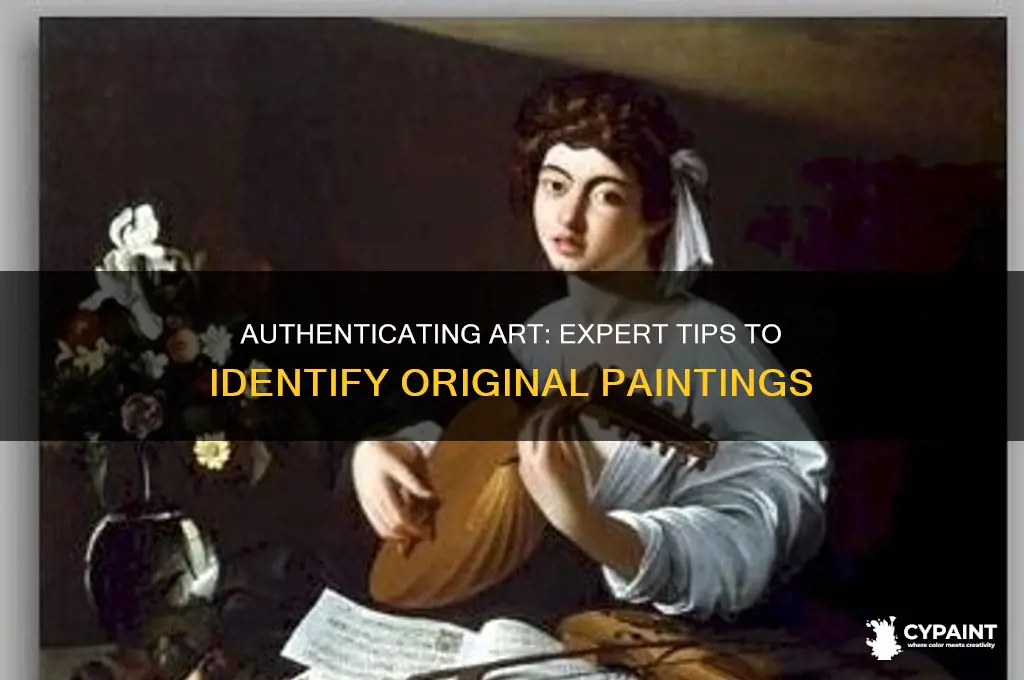
Take the canvas, for example. If it's an original painting, the canvas should have a texture and feel that's consistent with the artist's known techniques. And the paint? Well, it should look like it's been used. Original paintings often have a certain... je ne sais quoi. A depth, a richness, a way of catching the light that you just don't get with a print.
But What About Those Little Imperfections?
You might be thinking, "But what about those little imperfections? You know, the smudges, the drips, the bits of paint that look like they were just... thrown on there?" Well, guess what? Those are often the telltale signs of an original painting.
Artists, they're human, you know? They make mistakes. They have off days. And sometimes, those mistakes and off days end up on the canvas. But that's okay! Because those little imperfections, they're part of the story. They're part of the process. And they're something you just don't get with a copy.
Provenance: The Painting's Past
Alright, so you've checked the signature, you've looked at the materials, and you've even found a little smudge that looks like it might have been made by a real, live human. Great! But wait, there's more.
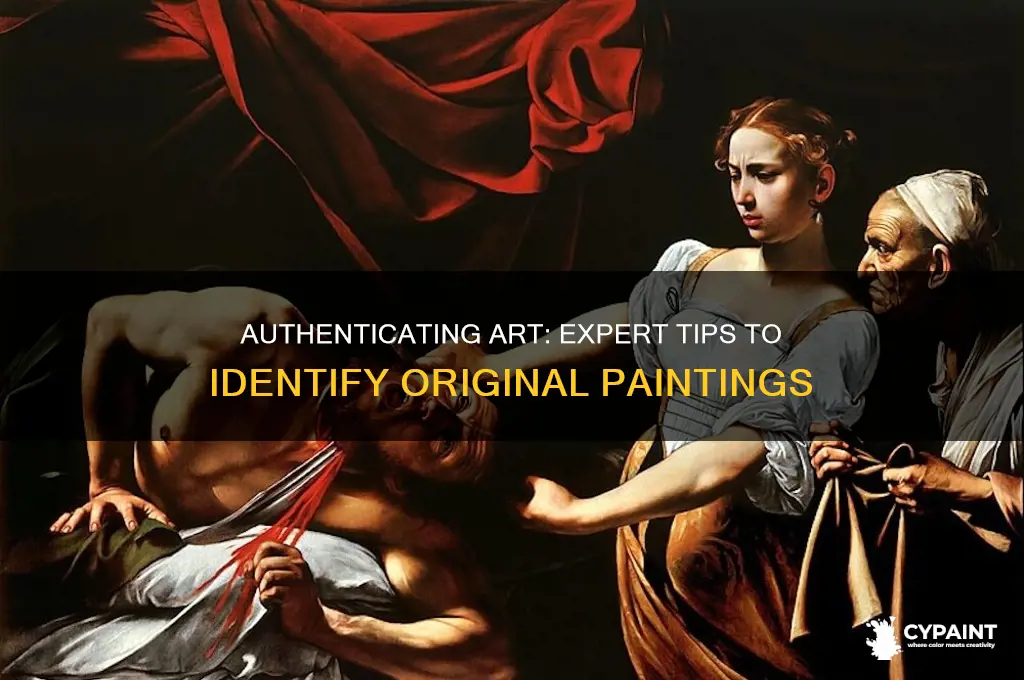
You see, a painting's past, its provenance, can tell you a lot about its authenticity. Was it bought directly from the artist? Has it been passed down through generations? Has it been exhibited in galleries or museums? These are all questions you should be asking. And if the answer is yes, well, that's a good sign you're looking at an original.
But What If You're Still Not Sure?
Look, I get it. Sometimes, even after all that, you're still not sure. And that's okay. Because here's the thing: art is subjective. What matters most is how it makes you feel. If it speaks to you, if it moves you, if it makes you want to stand there and stare at it for hours, well, that's something special. And sometimes, that's enough.
But if you really want to know, if you're standing there, staring at that painting, and you just have to know if it's an original, then it might be time to call in the experts. They've got the knowledge, the experience, and often, the fancy magnifying glasses. And they can tell you, for sure, if that painting is the real deal.
So, there you have it. My little guide to telling if a painting is original. I hope it helps. And the next time you're standing in a gallery, or browsing an online art store, you'll know just what to look for. Happy art hunting!