
How To Tell If A Painting Is Real
Let’s be real—there’s nothing quite like the thrill of finding a hidden gem at a flea market or scoring an amazing deal on a vintage painting. Maybe it’s that bold red abstract you saw for $50, or the old family portrait your grandma swore was by some famous artist. But here’s the thing: not all art treasures are what they seem. And honestly? Knowing the difference between a real masterpiece and a clever copy can save you from heartbreak—or at least from overpaying for a wall decoration that’s basically a fancy poster.
Think of it like buying a used car. You wouldn’t just trust the seller’s word that it’s a 2022 model, right? You’d check the VIN, ask for a test drive, and maybe even bring in a mechanic. Art is the same—except instead of a mechanic, you’ve got your eyes, a little know-how, and maybe a friendly expert or two.
Start with the basics: the "sniff test" for art
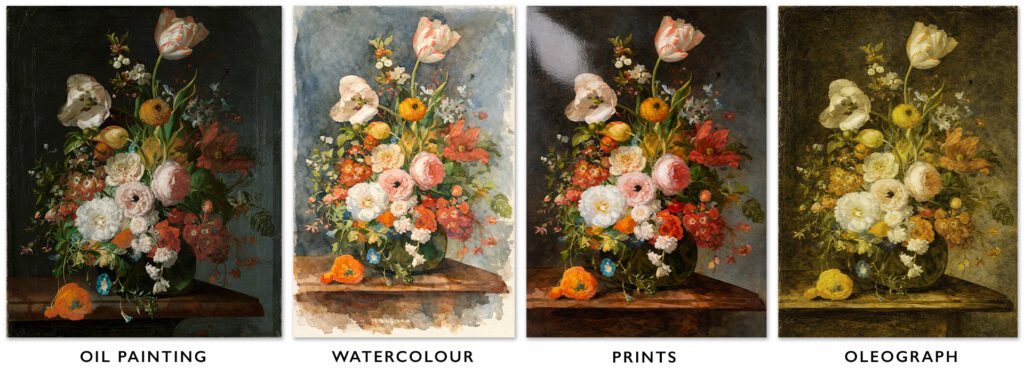
Okay, first things first—look at the paint. Real paintings, especially older ones, have a certain texture that’s hard to replicate. Imagine the difference between a fresh-baked cookie and a store-bought one: the real deal has depth, little imperfections, and a warmth that just feels… alive. Fake paintings often look too smooth, like they were painted with a brush that’s been dipped in perfection (spoiler: that’s not how it works).
Must Read
Pro tip: Run your fingers over the edges of the frame or the canvas. If it feels like sandpaper, that’s a good sign—real paint has grit. But if it’s as smooth as a baby’s bottom? Red flag. Also, sniff it. Old oil paintings have a faint, earthy smell—like a mix of old books and a hint of vanilla. New fakes? Smell like… well, nothing much. Or worse, like cheap varnish.
Brushstrokes: the fingerprints of the artist
Ever noticed how some people’s handwriting is unmistakable? That’s how brushstrokes work. A real painting will have visible, expressive strokes—like someone’s actually felt the paint while they worked. Fakes often try too hard to be "perfect," so the strokes look too neat, too uniform, like they were painted by a robot (or a very patient kindergartener).
Take a look at famous artists like Van Gogh or Picasso. Their work is loud—thick impasto, visible dabs of paint, like they were throwing it on the canvas with both hands. If you’re looking at a "Van Gogh" and the strokes are all tiny and precise, like someone traced it with a fine-liner? That’s your clue.
The "why would they do that?" test
Here’s a fun one: look for inconsistencies. Real artists make mistakes—sometimes they smudge, sometimes they change their mind mid-stroke. Fakes? They’re usually too… perfect. Like a PowerPoint presentation of a painting.
I once saw a "Rembrandt" for sale at a garage sale (yes, really). The painting was flawless—every shadow, every highlight, spot-on. But then I noticed the artist had erased a few brushstrokes near the edges. Erased? Like they were trying too hard to hide something? That’s not how real artists work. They embrace the mess.

Lighting: the secret weapon
Ever seen how sunlight hits a window and makes dust motes dance? Real paintings react to light in the same way. Hold a flashlight (or stand near a window) and shine it at an angle. If the painting glows with depth and highlights pop, that’s a good sign. Fakes? They often look flat, like a printed photo stuck on canvas.
Think of it like this: a real painting is like a living thing—it changes with the light, just like your mood changes throughout the day. A fake? It’s more like a static billboard. No soul, no drama.
The "X-ray vision" trick (for the curious)
If you’re feeling really ambitious, you can check for underpainting—the layers of sketch or primer underneath the final work. Some fakes are just painted over a blank canvas, while real paintings often have faint lines or color layers that show the artist’s process.
You don’t need an X-ray machine to do this—just a blacklight (UV light) from a craft store. Some old paintings have faded or hidden details that glow under UV. (Pro move: Ask an art supply store for help if you’re not sure how to use it.)
When in doubt, ask a pro—or at least a friend
Okay, let’s be honest: if you’re not an art expert, you might not spot a fake. And that’s okay! The art world has professional appraisers for a reason. If you’re shelling out big bucks for a piece, it’s worth the $50 consultation to get a second opinion.

I once had a friend who bought what she thought was a real Monet for her living room. Turns out, it was a print under glass. She was heartbroken—until she realized she could’ve spent that money on actual Monet and a fancy coffee table. Sometimes the best investment is knowing when to walk away.
But what if it’s just for fun?
Not every painting needs to be a masterpiece. If you’re buying art because it makes you happy, then go for it! The goal isn’t to own a Rembrandt—it’s to fill your space with things that feel yours. Just don’t get mad when your "Picasso" doesn’t appreciate in value.
Think of it like collecting vinyl records. Some are rare and valuable, but most are just really cool songs you love. The same goes for art. If it brings you joy, it’s a win.
Final thought: trust your gut
At the end of the day, art is about connection. If a painting makes you pause, smile, or feel something, that’s worth more than any certification. But if you’re really curious about whether it’s the real deal? Now you’ve got the tools to find out.
And hey—if it’s a fake? No big deal. Just tell your friends you’re working on a very experimental art series. Nobody’s judging. (Okay, maybe your art-snob cousin is, but we won’t tell.)