
Ladies And Gentlemen Andy Warhol
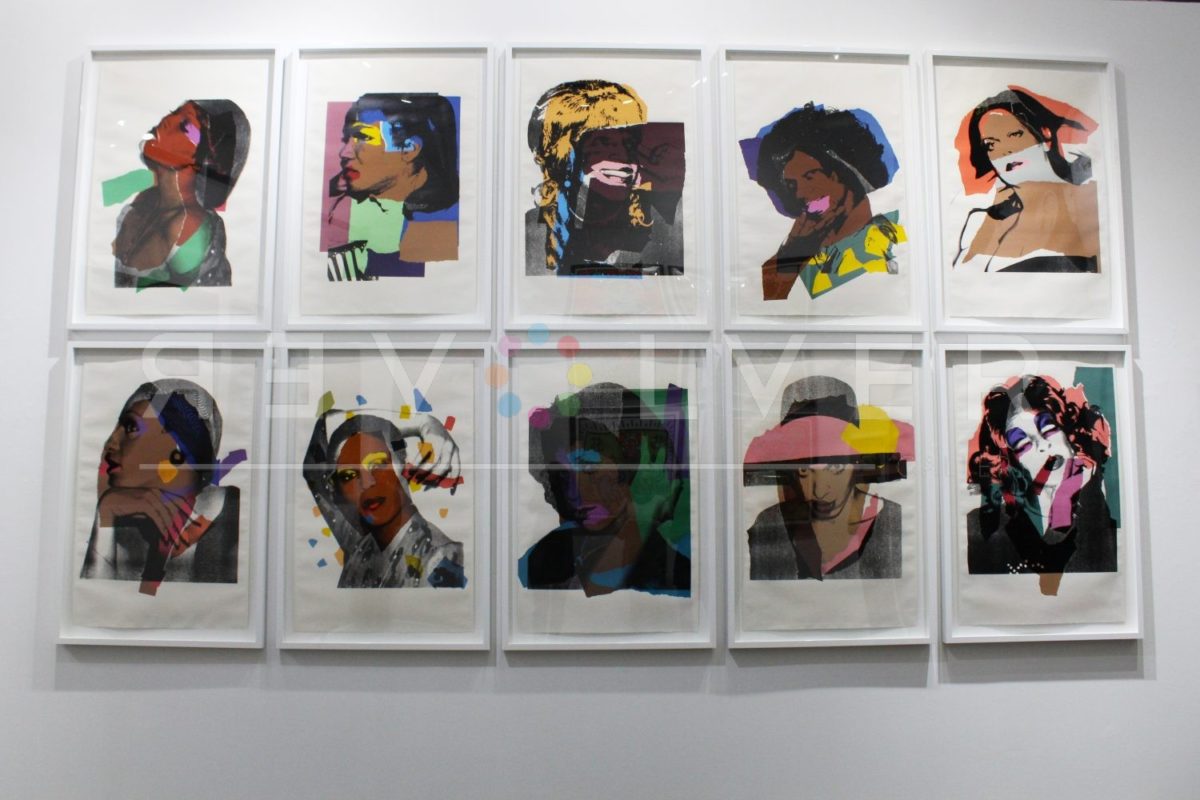
Andy Warhol: The Pop Art Picasso in Our Midst
Alright, let's dive into this. You know how sometimes you're walking down the street, and you pass by a bright, colorful painting in a gallery window that just makes you smile? Or maybe you're at a friend's place, and their Campbell's Soup Can print catches your eye. That's Andy Warhol for you. He's like the pop art Picasso, making the ordinary extraordinary, and he's been doing it for decades.
Born in 1928, Andy grew up in Pittsburgh, Pennsylvania. His mom, Julia, was a Russian immigrant who loved to draw. She encouraged Andy's artistic side, and he spent hours in their tiny apartment, sketching and painting. Imagine him as a kid, hunched over a table, his tongue sticking out in concentration, just like your little cousin when they're coloring.
Pop Art: The New Kid on the Block
Fast forward to the 1960s, and Andy's in New York City, making waves with his unique style. He's part of this new art movement called Pop Art. Now, you might think art's all about painting pretty sunsets or still lifes. But Andy and his pals were like, "Nah, let's use everyday stuff - comics, ads, movie stars." They wanted to show that even the most ordinary things could be art.
Must Read
Think about it. You've got a can of soup in your pantry, right? It's just a can. But put it on a canvas, make it big, bold, and colorful, and suddenly it's a masterpiece. That's what Andy did. He took things we see every day and turned them into art. It's like he's saying, "Hey, look at this! Isn't it beautiful?"
Famous Faces and 15 Minutes of Fame
Andy wasn't just about soup cans, though. He loved celebrities. He painted Marilyn Monroe, Elizabeth Taylor, and Elvis. He even made a film called Chelsea Girls, starring some of the era's most famous faces. He once said, "In the future, everyone will be world-famous for 15 minutes." That's Andy for you - making bold statements, predicting trends.

Now, you might be thinking, "Okay, but why should I care about Andy Warhol?" Well, here's the thing: Andy made art accessible. He took the stuff we see every day - a can of soup, a comic strip, a movie star - and said, "This can be art too." He democratized art, made it something everyone could appreciate, not just some stuffy old museum-goers.
Plus, he was a total character. He had this silver wig, wore dark glasses, and was always seen with a camera. He was like the original paparazzi, snapping pics of everyone from Jackie Kennedy to the Velvet Underground. He even had a studio called The Factory, where he'd hang out with artists, musicians, and all sorts of interesting folks. It was like the coolest party you've ever been to, and everyone was invited.
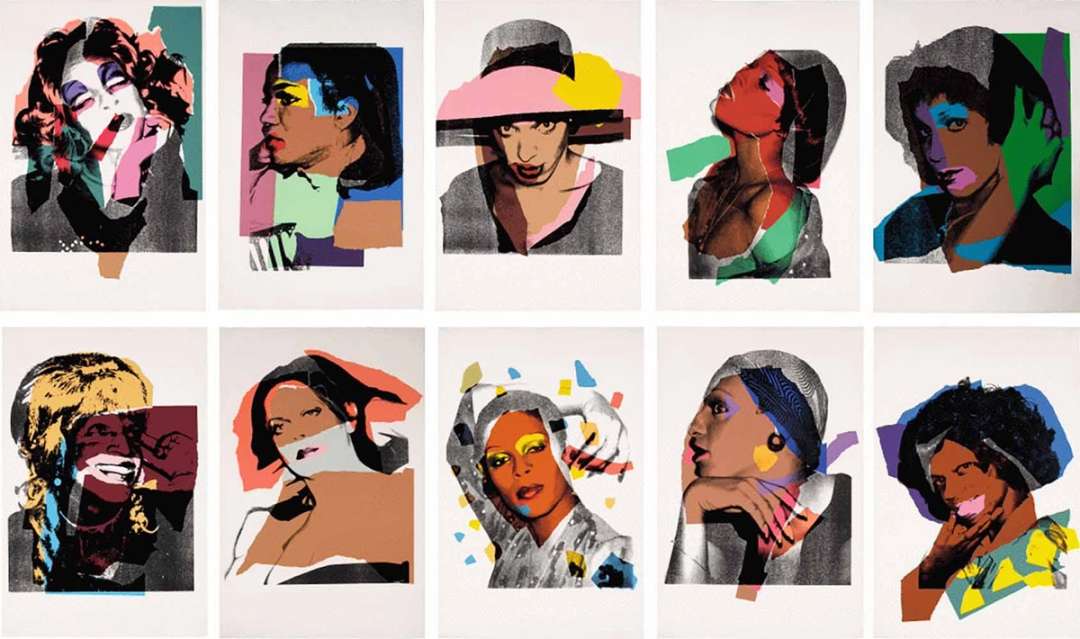
Andy's Legacy: Art for Everyone
So, why should you care about Andy Warhol? Because he showed us that art isn't just something to be admired in museums. It's all around us, every day. It's in the ads on the subway, the posters on your wall, the logo on your t-shirt. It's in the way we see the world, the way we interpret it, the way we make it our own.
Andy Warhol passed away in 1987, but his art lives on. It's in the way we consume media, the way we think about fame, the way we appreciate the ordinary. He's not just some old artist from the past. He's part of our present, our culture, our everyday lives. So the next time you see a Campbell's Soup Can, take a moment. Appreciate it. Because that, my friend, is Andy Warhol's legacy.