
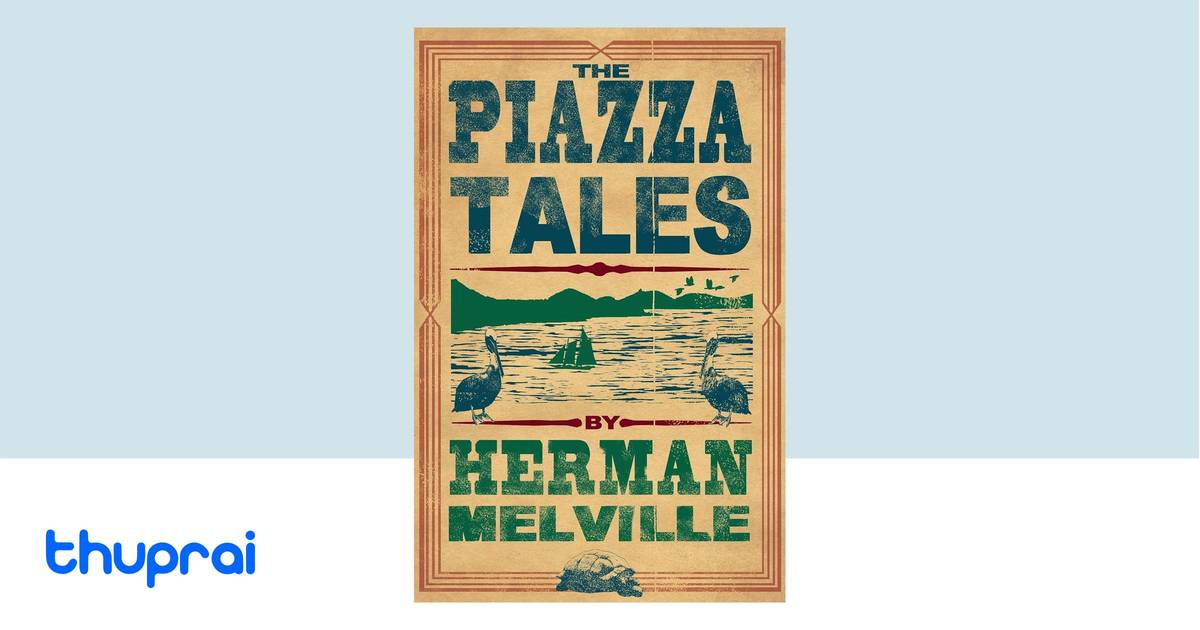
The Piazza Tales Herman Melville

Melville's Piazza: Where Tales Unfold
So, there I was, strolling through the heart of Rome, when I stumbled upon this charming little square, the Piazza di Pietra. Now, I'm no history buff, but even I could tell this place had a story or two to tell. Little did I know, it would lead me to Herman Melville and his Piazza Tales.
You might be wondering, what's the connection between a Roman square and an American writer? Well, grab a coffee - or a rum, if you're feeling adventurous, like our friend Ishmael - and let me spin you a yarn.
Melville's Roman Holiday
In the 1850s, Herman Melville, the man who gave us Moby-Dick, found himself in Rome. Now, I don't know about you, but when I'm in a new city, I like to explore, soak up the atmosphere. Melville was no different. He spent his days wandering the streets, sketching, and jotting down notes. And one of the places that caught his eye? You guessed it, the Piazza di Pietra.
Must Read
Melville was captivated by this square. It's not hard to see why. With its towering Corinthian columns and the ancient Temple of Hadrian lurking in the shadows, it's like stepping into the past. But Melville didn't just admire the architecture; he let it inspire him. He started writing short stories, setting them right here in the Piazza di Pietra.
Tales from the Piazza
Melville's Piazza Tales are like a literary treasure hunt. Each story is set in this one square, but they span centuries, from ancient Rome to the present day. There's 'The Piazza', the story that started it all, where a young American tourist meets a mysterious old Italian count. Then there's 'The Bell-Tower', a tale of revenge set during the Napoleonic Wars. And 'The Lightning-Rod Man', a story that's equal parts hilarious and horrifying, set in the present day - well, the present day of the 1850s, that is.

Each tale is a gem, a little snapshot of life in the Piazza di Pietra. They're not as famous as Moby-Dick, but they're just as brilliant. Melville's prose is sharp and witty, his characters are quirky and memorable. And the best part? They're all connected, like a literary web spun right here in this square.
Why You Should Care
So, why should you care about Melville's Piazza Tales? Well, for starters, they're a great way to explore Rome, Melville-style. You can almost hear the clatter of hooves on cobblestones, smell the scent of orange blossoms in the air. Plus, they're a reminder that great literature can come from the most unexpected places. Who knows, maybe your local park or coffee shop has a story waiting to be told?
But here's the thing, Melville's tales aren't just about Rome. They're about people, about the stories we tell each other, about the connections we make. They're about how a place can inspire us, change us, make us see the world a little differently. And isn't that what great literature is all about?
So, What's the Moral of the Story?
Next time you find yourself in a new place, take a moment to look around. Really look. You never know what stories you might find, what tales you might inspire. And who knows, maybe you'll end up like Melville, penning your own Piazza Tales.
Now, if you'll excuse me, I've got some exploring - and some writing - to do. Until next time, happy wandering!