
What Is A Reserve Auction
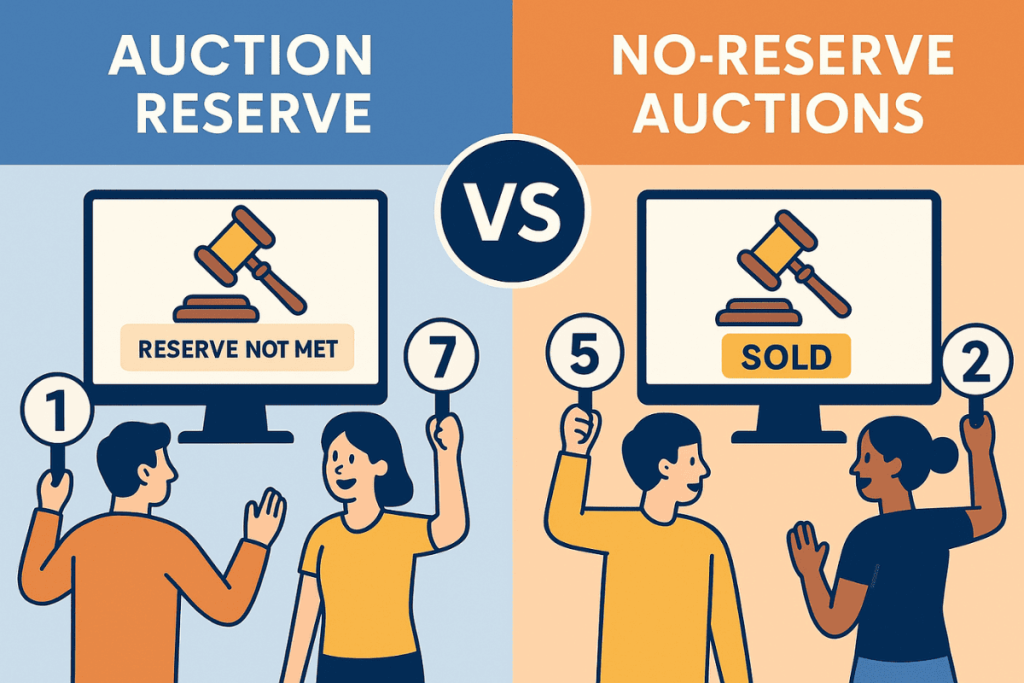
So, you're here because you've stumbled upon the term 'reserve auction' and thought, "Huh, what's that all about?" Well, grab a coffee, pull up a chair, and let's chat about it.
What's the Deal with Reserve Auctions?
Imagine you're at a garage sale, and you've got your eyes on a vintage record player. You're willing to pay, say, $50 for it. But the seller says, "Nah, I won't sell it for less than $70." That, my friend, is a reserve auction in a nutshell.
In the world of auctions, a reserve price is like the seller's bottom line. It's the lowest price they're willing to accept for their item. If the highest bid doesn't meet or beat that reserve, the seller keeps their item, and everyone goes home a little disappointed.
Must Read
Why Use a Reserve?
You might be wondering, "Why would anyone set a reserve? That's just gonna upset potential buyers, right?" Well, not necessarily. Sellers use reserves for a few reasons:
- Protection: They might have a sentimental attachment to the item or just want to ensure they don't sell it for peanuts.
- Market Testing: They could be curious about the item's true value and use the auction to gauge interest.
- Negotiation: Sometimes, a reserve is just a starting point for negotiations. If the highest bid is close, the seller might be open to a deal.
Reserves in Action
Let's say you're at an online auction, and you're bidding on a rare comic book. The current bid is $100, but the seller has set a reserve of $150. If no one bids higher than $100, the auction ends, and the comic book stays with the seller. Bummer, right?
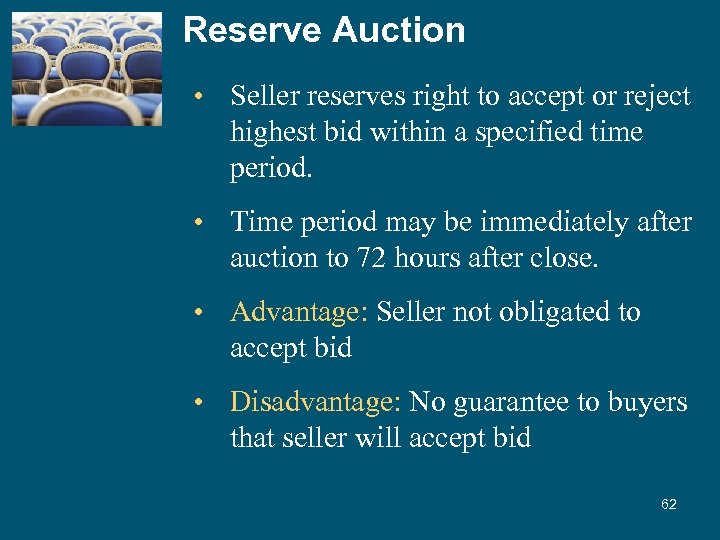
But here's where it gets interesting. Some auctions will display the reserve price or indicate how much more is needed to meet it. Others won't, leaving it a mystery until the auction ends. It's like a game of cat and mouse, except with bids instead of cheese.
Reserves: Friend or Foe?
Reserves can be a double-edged sword. On one hand, they protect sellers from selling too low. On the other hand, they can deter bidders who might have been willing to pay a little more. It's a balancing act, really.

As a buyer, you might love or hate reserves, depending on your perspective. If you're the highest bidder, and the reserve isn't met, you might feel frustrated. But if you snag a deal because the reserve was too high, you're probably pretty happy.
Reserve Auctions: The Bottom Line
So, there you have it - the lowdown on reserve auctions. They're not as mysterious as they seem, right? Next time you're at an auction, you'll know what to look out for. And who knows? You might even snag that vintage record player for a steal.
Now, who's ready for a refill?