
What Is An Auction Reserve Price
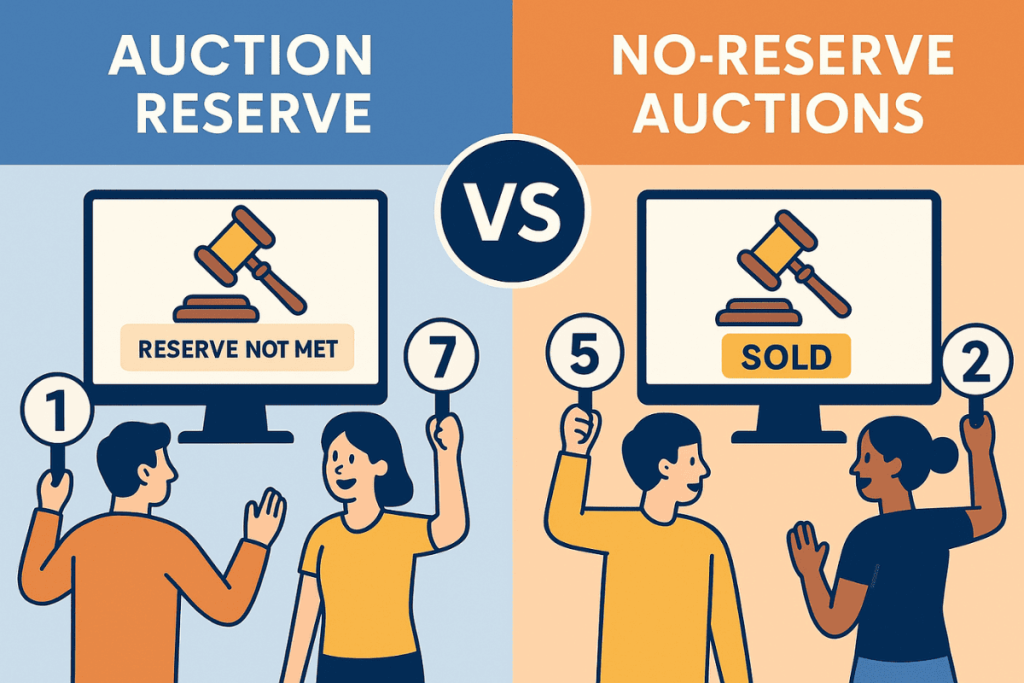
Unveiling the Mystery: What's an Auction Reserve Price?
Ever wondered why some art pieces at auctions don't sell, even when they've got bidders throwing out numbers like they're playing high-stakes bingo? It's not because the art gods are playing hard to get. It's all about the auction reserve price, a secret little number that's as mysterious as it is influential.
What's the Big Secret?
The auction reserve price is the lowest price at which a seller is willing to sell an item. It's a secret, because it's not publicly disclosed. Think of it as the art world's version of a poker face. The auction house knows it, the seller knows it, and the bidders? Well, they're left to wonder if they're playing a high-stakes game of chicken or if they're just a bid away from owning a piece of history.
Now, you might be thinking, "Why all the secrecy?" Well, imagine you're a seller. You've got a priceless Picasso, and you're not about to let it go for pocket change. So, you set a reserve price, and the auction house keeps it hush-hush to maintain the suspense and protect your interests.
Must Read
When Does the Reserve Price Come into Play?
Here's where things get interesting. If the highest bid at the auction doesn't meet or exceed the reserve price, the item doesn't sell. It's like the art world's version of a 'no deal' on a reality TV show. The gavel comes down, the crowd groans, and the art goes back into storage, waiting for another shot at the big leagues.
But here's a fun fact: even if the reserve price isn't met, the seller can still sell the item to the highest bidder after the auction. It's like a secret post-game negotiation. The seller might think, "Well, that bid was close enough," and they'll strike a deal. It's not uncommon, and it's all part of the art world's dance of desire and denial.

Can You Spot a Reserve Price in Action?
You might be wondering if there's a way to spot a reserve price in action. Well, there's no surefire way, but there are some telltale signs. If an item doesn't sell at an auction, even when bids are climbing, it's a pretty good indication that the reserve price wasn't met. And if you're at an auction and you see the auctioneer's hammer come down without a sale, you might just be witnessing the art world's version of a 'to be continued...'
Practical Tips for Auction Newbies
So, you're thinking about dipping your toes into the world of auctions? Here are a few tips to help you navigate the reserve price minefield:

- Do your research: Know the market value of the item you're interested in. That way, you'll have a better idea of whether the reserve price is reasonable or if you're being led on a wild goose chase.
- Be patient: If you're bidding on an item and you think the reserve price hasn't been met, don't get discouraged. The seller might still accept your bid after the auction.
- Know your limits: It's easy to get caught up in the excitement of an auction, but remember, it's just stuff. Don't let your enthusiasm outbid your common sense.
Reflections on the Reserve Price
As we wrap up, let's take a moment to reflect on the humble reserve price. It's a small number with a big impact, a secret that can make or break an auction. But it's also a reminder that in the art world, as in life, sometimes you have to know your worth and stick to it. Whether you're a seller setting a reserve price or a bidder trying to meet it, remember that patience, knowledge, and a healthy dose of self-respect can go a long way.
So, the next time you're at an auction and you see an item that doesn't sell, don't be too quick to judge. There's a secret number out there, influencing the outcome, and it's all part of the art world's grand dance. And who knows? Maybe one day, you'll be the one setting the reserve price, waiting for the perfect bid to come along.