
What Is An Auction Reserve
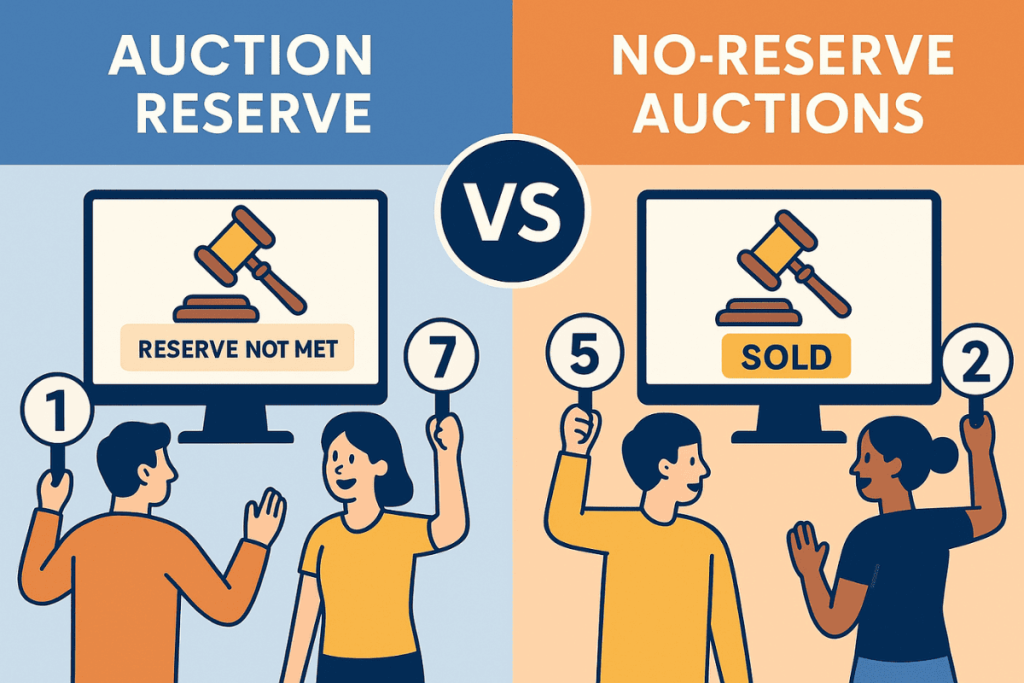
Hey there, curious cat! You've stumbled upon a term you've heard bandied about in movies or at antique stores, and now you're wondering, "What in the world is an auction reserve?" Well, buckle up, 'cause I'm about to spill the beans in a way that'll make you feel like you're sipping tea with a chatty friend.
Let's Start at the Beginning
Imagine you're at a fancy-schmancy auction house, the kind where they sell everything from vintage cars to ancient artifacts. You're eyeing a beautiful, hand-painted vase, and you're ready to bid your heart out. But hold your horses, partner! Before you start waving your paddle like a madman, you need to know about the auction reserve.
You see, the auction reserve is like the vase's secret bodyguard. It's a hidden, minimum price that the seller has set in secret. This little helper is there to protect the seller's interests, making sure their precious vase doesn't sell for less than they're willing to part with it for.
Must Read
Now, Why Keep It Hush-Hush?
You might be wondering, "Why all the secrecy? Why not just put a price tag on the thing and be done with it?" Well, my friend, that's where the fun of auctions comes in. If everyone knew the minimum price, the bidding might not get as exciting, now would it?
Think of it like a game of poker. If everyone knew what cards you were holding, the thrill would be gone, right? The auction reserve is like your secret hand, keeping the suspense high and the bidders on their toes.
But What If the Reserve Isn't Met?
Alright, so you've been bidding like a pro, but the price just isn't hitting that secret reserve. What happens then? Well, my friend, that's where the auctioneer steps in, like a referee in a high-stakes game.
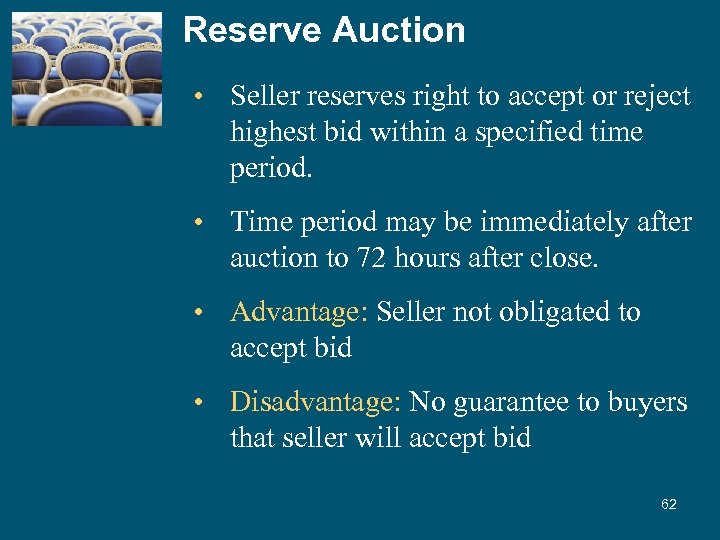
The auctioneer will either call it a day and say, "Sorry, folks, the reserve wasn't met," or, if they're feeling generous, they might give the seller a chance to lower their reserve. It's like giving the vase's bodyguard a raise, hoping to seal the deal.
And the Winner Is...
But let's not dwell on the sad scenarios, shall we? Let's imagine you've won the bidding war, and the auctioneer's gavel is coming down with a triumphant "Sold!" Now, you might be wondering, "How much did I actually pay?"
Well, that's where the hammer price comes in. It's the final price you paid, including any buyer's premium (that's just a fancy term for the auction house's service fee). It's like the grand total on your shopping spree, including taxes and tips.

So, Should You Use an Auction Reserve?
If you're a seller, using an auction reserve can be a smart move. It's like having a safety net, ensuring you don't sell your beloved vase for a song. But remember, setting too high a reserve might scare off potential buyers, so it's a delicate balance.
As a buyer, knowing about the auction reserve can help you strategize. You can bid with confidence, knowing there's a secret floor price. Just remember, if you're the highest bidder, you've got to be ready to pay the hammer price, not just the reserve.
And That's a Wrap!
So there you have it, the not-so-mysterious world of auction reserves demystified. Next time you're at an auction, you'll be armed with knowledge, ready to bid like a pro. And who knows? You might just snag that beautiful vase for a song – or at least, for a fair price.
Happy bidding, my friend! Remember, the thrill of the chase is half the fun. And who knows? You might just find a treasure that'll make your house feel like a museum. Until next time!